Most people never think about their arches until their feet start aching at the end of the day. Knowing whether you need arch support is where many get stuck. The wrong shoes can leave you with tired feet, sore heels and shoes that wear out on one side.
The good news is that this decision follows a simple sequence. Learn what arch support is, check your arch type, notice your daily signs, match support to your day, get the fit right and check the insole. Each step below builds on the last, so you end up on solid ground.
Walking Shoes With Arch Support



Step 1: Know What Arch Support Is
Your arch is the curved middle part of your foot, between the heel and the ball. Arch support is a shaped insole or midsole that fills the space under that curve, so your weight is spread across more of your foot.
Arch support usually comes in two forms:
- Built into the shoe: a shaped, firmer insole that sits under your arch from the start. This is the simplest option for daily wear.
- Separate insoles: inserts you add to shoes you already own. Useful when your favourite pair has a flat footbed.
Arch support is not a cure for foot pain. It is a way to make long days on your feet more comfortable. If you already have pain, see a physiotherapist or podiatrist before you change your shoes.
Step 2: Check Your Arch Type
Your arch type tells you how much your foot flattens when you stand. It is the quickest clue to whether extra support will feel better.
Try the wet test:
- Wet the sole of one foot.
- Stand on a piece of brown paper or a dark floor tile.
- Step off and look at the print.
- Compare it with the three types in the table further down.
A wide, full print usually means a low arch. A print with only a thin strip on the outside usually means a high arch. Something in between is a normal arch. If your print is full, our guide to the best running shoes for flat feet explains what to look for next.
Step 3: Notice Your Daily Signs
Your arch type is only part of the story. How your feet feel after a normal day often says more about whether you need support.
Watch for these signs:
- Tired, aching arches by evening: common if you stand at work or walk a lot. Support under the arch can spread the load.
- Shoes wearing out on one side: the inner or outer edge of the sole wears down faster than the rest. Your foot may be rolling in or out.
- Discomfort after switching from chappals: flat footwear gives little support, so feet can feel the change in proper shoes.
If two or more sound familiar, arch support is worth trying. If you have high arches rather than flat feet, our guide to shoes for high arches covers your side of the story.
Step 4: Match Support to Your Day
The right amount of support depends on what you do most. A shoe made for a 10,000-step day needs different features from one made for a short run.
A simple split:
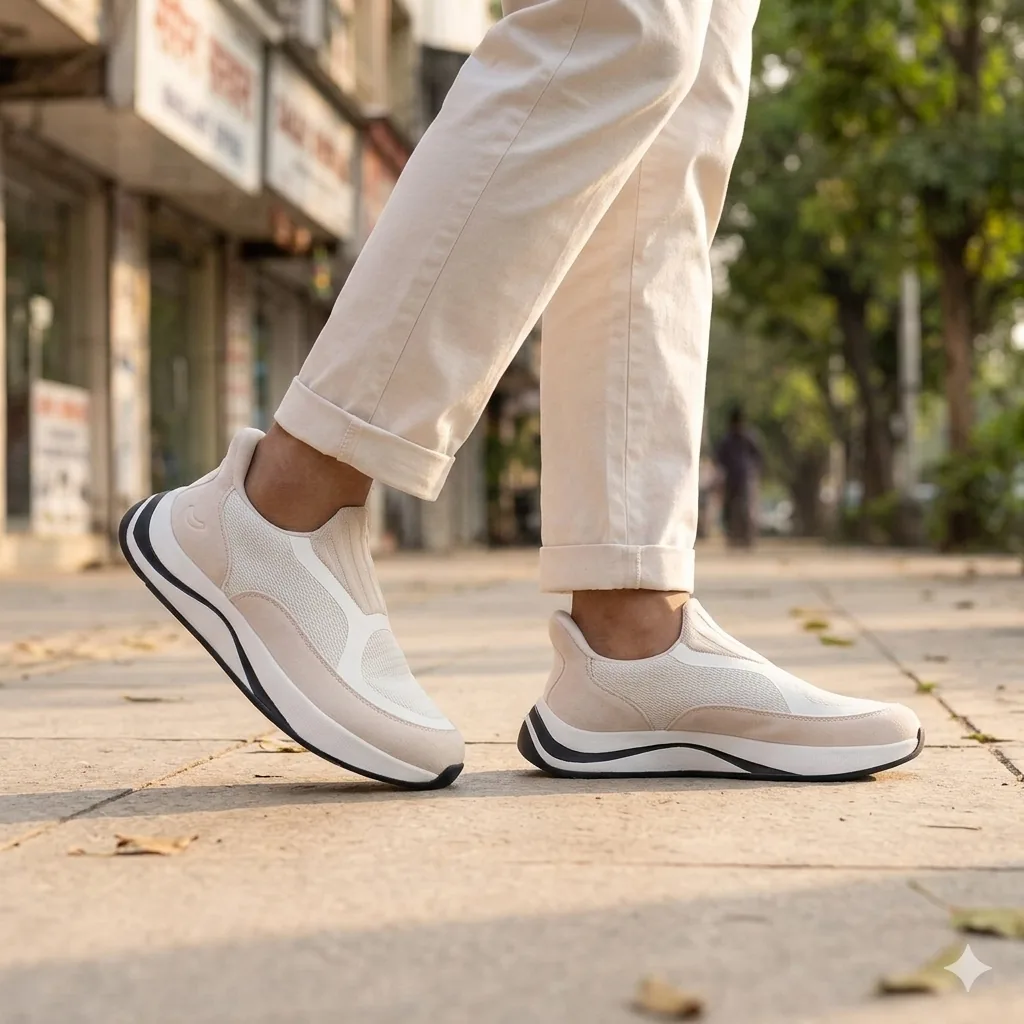
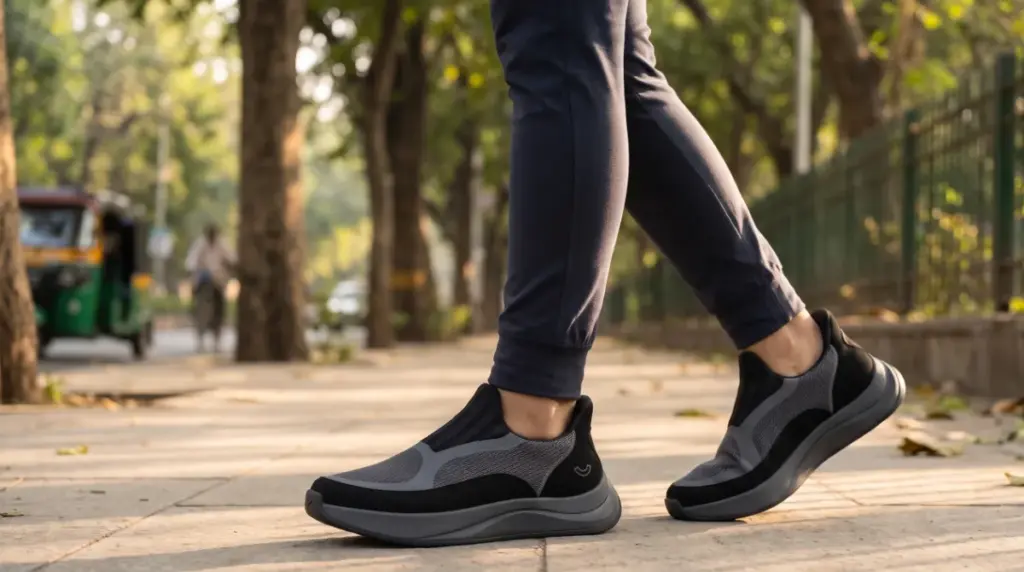
- Walking and standing: choose a stable, cushioned walking shoe with arch support and a firm heel. This suits office days, travel and long errands.
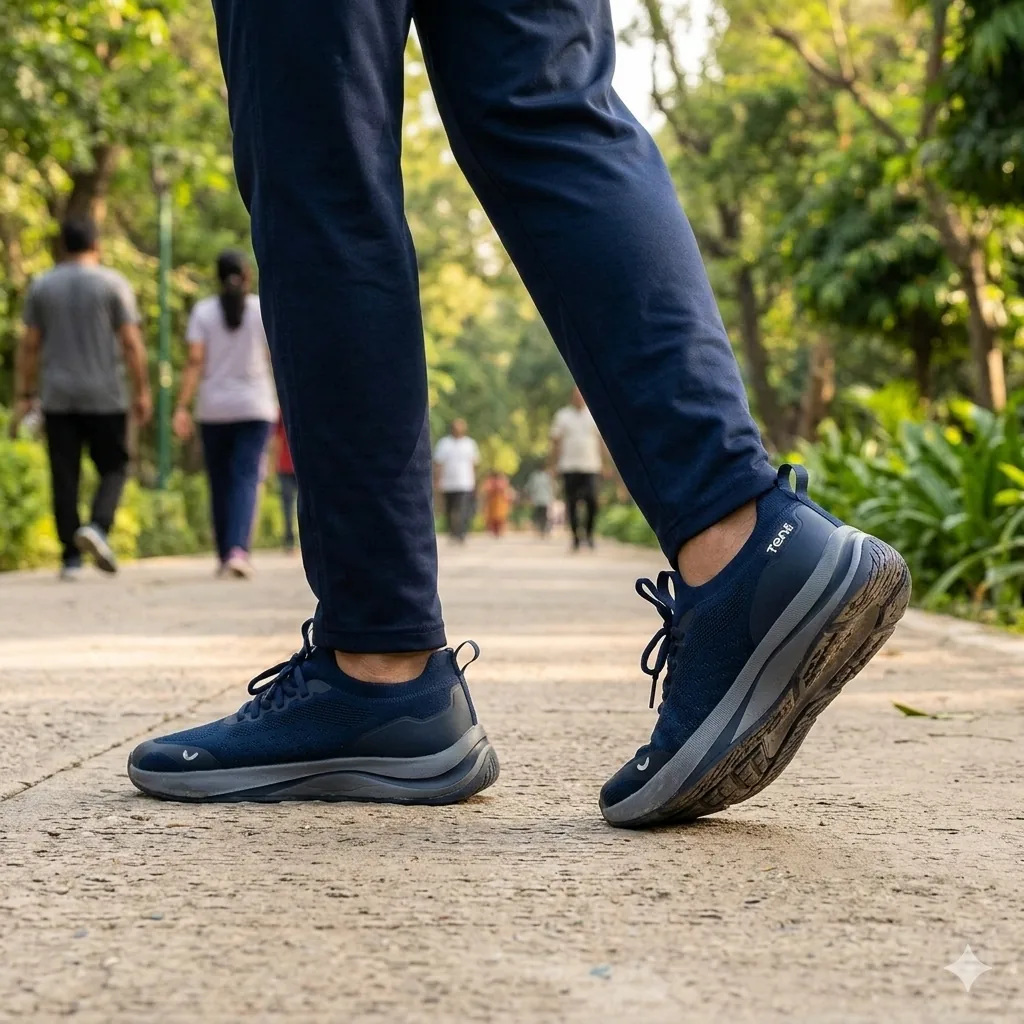
- Short runs and recovery: choose a cushioned running shoe with an arch support insole.
- Gym and all-day wear: choose a shoe that stays stable during side-to-side movement.
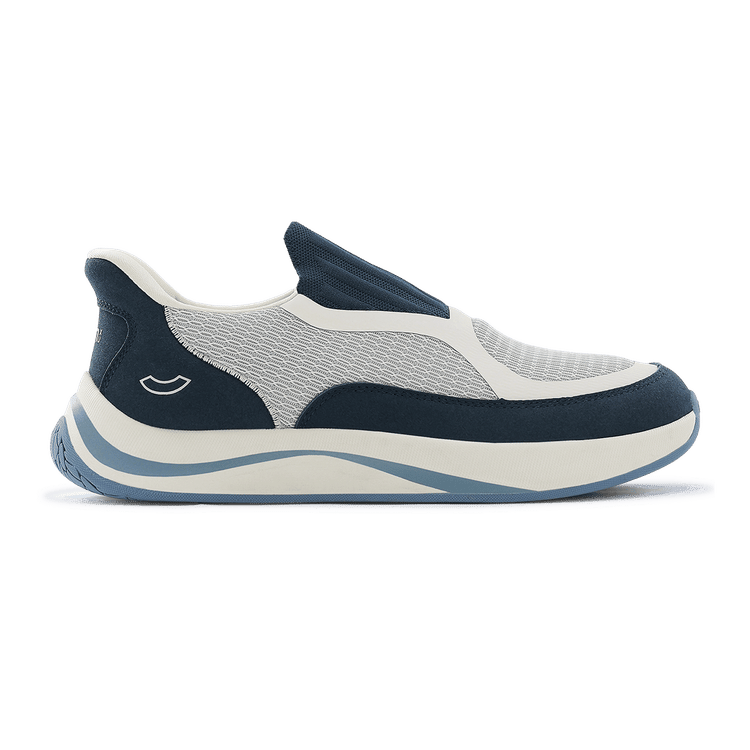
The Zenflo is built for this walking-and-standing day. The Zenflo walking shoe uses dual-density insoles with advanced arch support as part of a 5 feature stability system. An embedded TPU heel cup and a flared midsole add steadiness on long walks. For daily walking on Indian roads, our guide to the best walking shoes for 10,000 steps a day goes deeper.
Step 5: Get the Fit Right
Arch support only works when the shoe fits. If the shoe is too narrow, your foot sits off the support and presses against the sides instead.
Follow these fit rules:
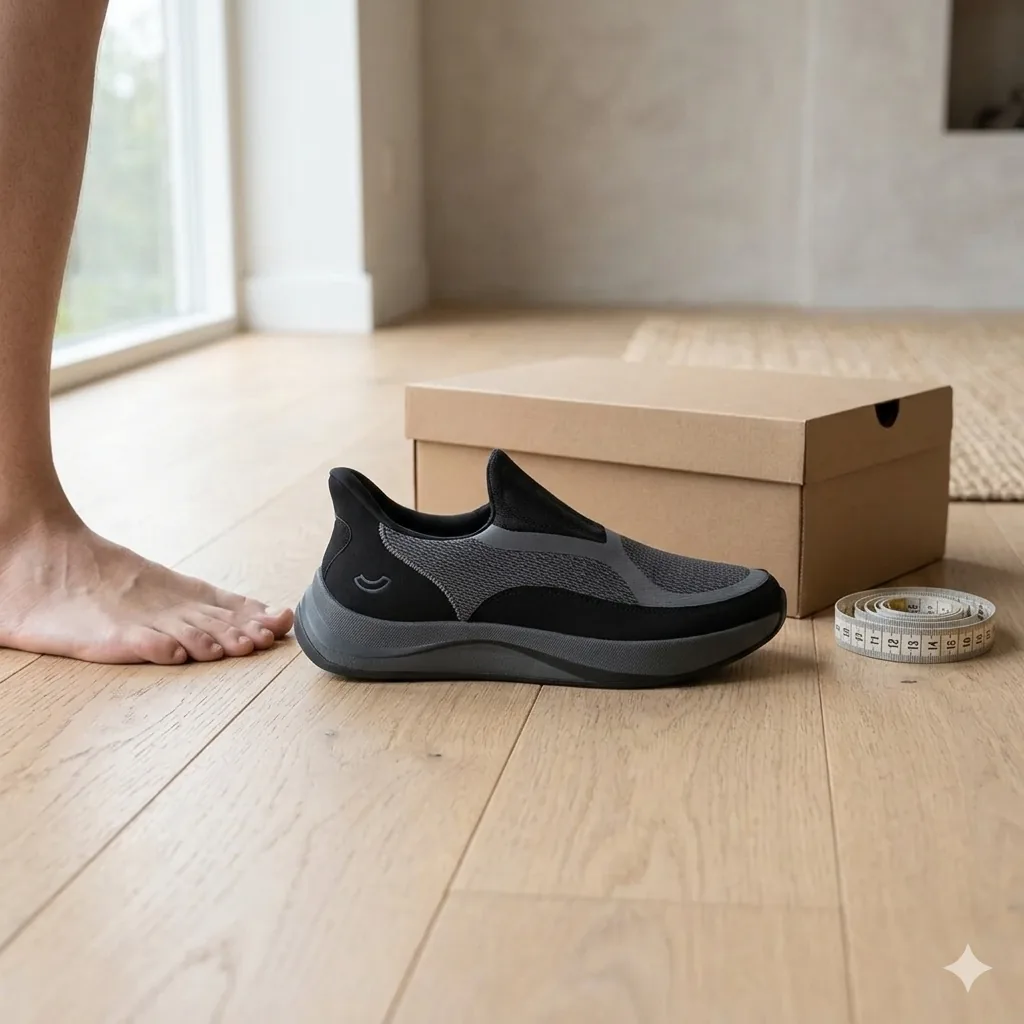
- Measure later in the day: feet are usually at their largest in the evening.
- Check width as well as length: your toes should spread without touching the sides.
- Walk around before you decide: the arch should feel supported, not pushed up into your foot.
Indian feet are often wider than standard sizing allows. That is why a wide toe box matters as much as the arch itself. Our guide to why wide toe box shoes matter for Indian feet explains how width affects comfort.
Step 6: Check the Insole and Heel
Not all arch support feels the same. The materials under your foot decide whether the support feels firm, soft or both.
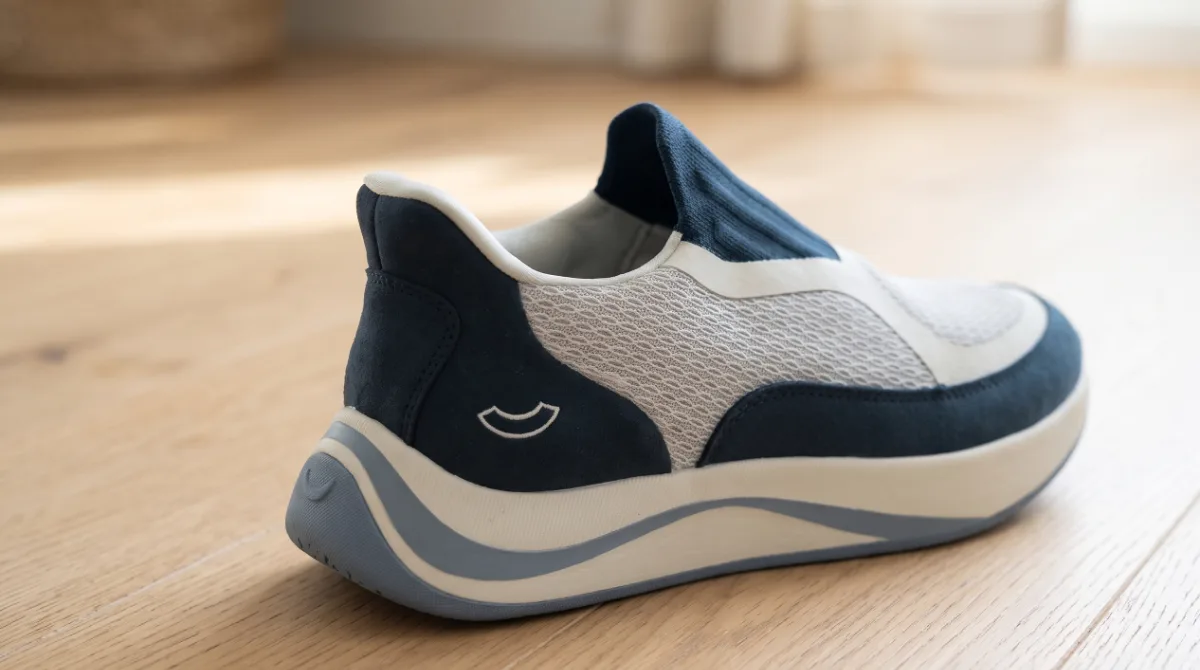
Look for these features:
- Dual-density insole: two layers of different firmness, one for support and one for comfort.
- Heel cup: a firm cup that holds your heel in place so your foot does not slide.
- Flared midsole: a slightly wider base that adds stability when you land.
Press the insole with your thumb in the store or at home. A good arch support insole gives a little at the top but stays firm underneath. If it collapses flat, it will not support you for long.
Arch Support for Runs and Walks


Low vs Normal vs High Arch: Quick Comparison
A short reference to match your arch type to the support you need.
| Type | Best For | Key Feature |
|---|---|---|
| Low arch (flat feet) | Walking, standing, stability | Firm arch support and a stable heel |
| Normal arch | Most daily activities | Moderate support and even cushioning |
| High arch | Running, long walks | Extra cushioning and a supportive insole |
The key point is to match support to your feet and your day, not to buy the firmest insole you can find. Start with your arch type, check your signs, and choose a shoe that fits your width.
Take Your First Supported Step
Comfortable feet change how your whole day feels. The right arch support makes long walks and long shifts easier on your feet.
Ready to feel the difference for yourself? Check our walking shoes and find a stable, supportive pair for long days. Never Stop Playing. Start here.
Frequently Asked Questions
What is arch support?
Arch support is a shaped insole or midsole that supports the curved middle part of your foot. It spreads your weight across more of your foot, which can make long days of walking or standing more comfortable.
How do I know if I need arch support?
You may need arch support if your arches ache by evening, your shoes wear out on one side, or a wet test shows a wide, full footprint. If you already have foot pain, check with a physiotherapist or podiatrist first.
Do flat feet need arch support?
Many people with flat feet find shoes with arch support and a stable heel more comfortable. A low arch flattens more when you stand, so firm support under the arch can help spread the load across your foot.
Do high arches need arch support?
High arches usually need cushioning more than firm support. A high arch puts more pressure on the heel and the ball of the foot, so a cushioned shoe with a supportive insole tends to feel better.
Do running shoes have arch support?
Some running shoes have arch support built into the insole and some do not. Check the product details for an arch support insole or a stability feature before you buy, especially if you run on hard roads.
Is arch support good for everyday walking?
Yes, arch support is useful for everyday walking, especially if you stand or walk for long hours. A walking shoe with an arch support insole and a firm heel cup keeps your foot steady over a full day.