Running with flat feet is not a problem on its own. Millions of runners have low arches and log comfortable miles without pain. The issue starts when flat feet lead to overpronation. The excessive inward roll of the foot on each stride puts extra stress on the ankles, knees, and hips over distance.
The right running shoes help by guiding the foot through a more neutral path without overcorrecting. The wrong pair, usually a soft neutral shoe, lets the foot collapse inward and makes the problem worse. The sections below cover what flat feet and overpronation mean for runners. You will also learn how to identify your gait and what features to look for.


What Flat Feet and Overpronation Mean for Runners
Flat feet have a low or collapsed arch, so the entire sole touches the ground. Around 27% of the population has some degree of flat feet, so you are far from alone.
Overpronation is the excessive inward roll of the ankle after your foot lands. Flat feet and overpronation often go together, but they are not identical. You can have flat feet with a neutral gait.
For runners, overpronation adds repetitive stress over thousands of strides. Over distance, the inward collapse can contribute to shin splints, plantar fasciitis, and knee pain. A stability running shoe reduces that stress by guiding the foot back toward a neutral position.
How to Identify Your Gait
Knowing whether you overpronate is the first step toward choosing the right shoe. Three simple methods can give you a reliable answer at home.
The Wear-Pattern Check
Look at the soles of a well-worn pair of running shoes. Excessive wear on the inner edge of the heel and under the ball of the foot, especially near the big toe, points to overpronation. Even wear across the sole points to a neutral gait.
The Wet Footprint Test
Wet the sole of your foot and step onto a piece of paper. A full footprint with little to no arch curve points to flat feet, which often correlates with overpronation. A moderate curve points to a neutral arch. For a deeper look at arch types, the brand’s guide to foot shapes and their compatible shoes covers each type in detail.
Professional Gait Analysis
A gait analysis at a running store or podiatrist’s office gives the most accurate read. Video analysis of your stride reveals exactly how your foot rolls and at what point in the gait cycle. If home-test results are unclear, a professional assessment removes the guesswork.
What to Look For in a Stability Running Shoe
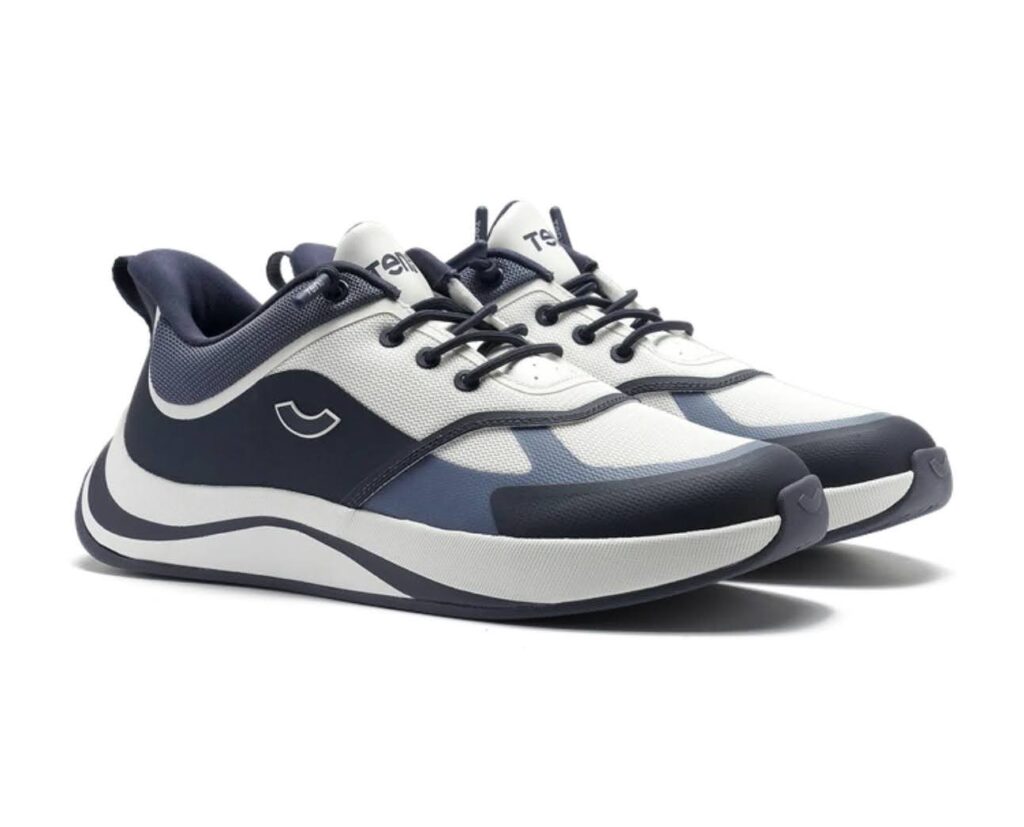
A stability running shoe is built to limit overpronation without locking the foot in place. Modern stability shoes guide the foot gently rather than forcing a hard correction.
The features that matter most for flat-footed runners:
- A firm midsole that resists collapsing inward under your body weight.
- A wider base and platform for a stable foundation.
- A structured heel counter that keeps the rearfoot aligned.
- Built-in arch support to fill the space a low arch leaves empty.
- A secure, snug fit through the heel and midfoot with room at the toes.
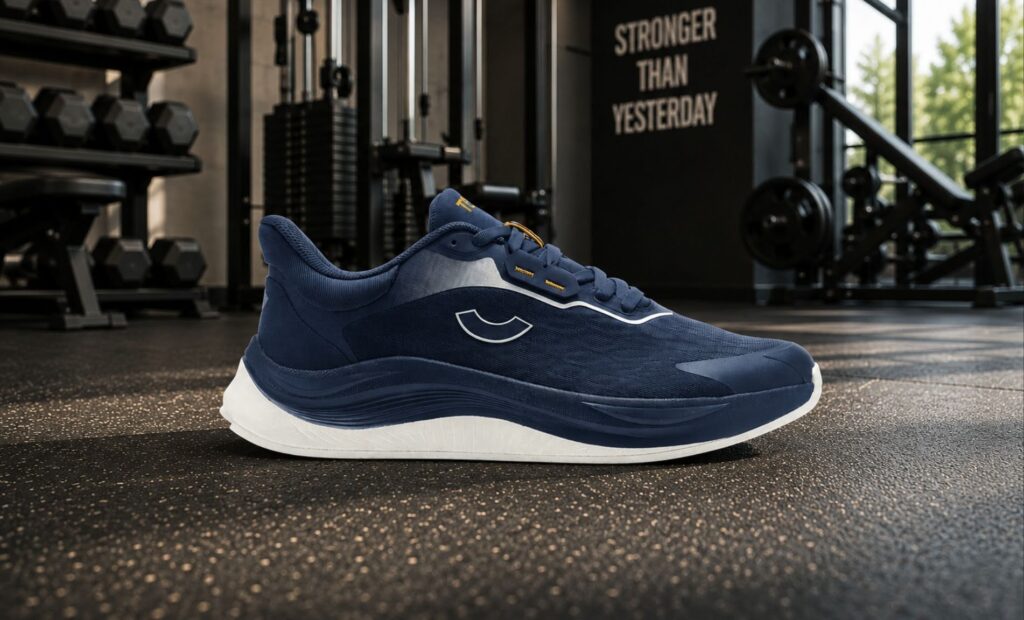
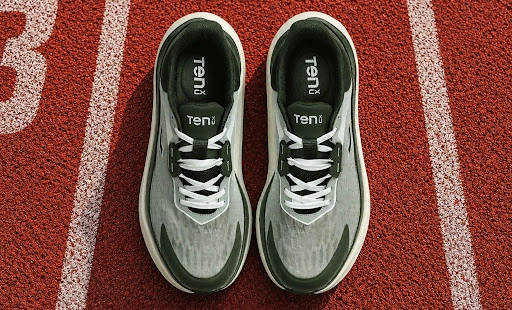
The Aeonic Recovery Trainer uses INSITE Contoura insoles shaped from over 120,000 foot scans, plus a Levation PU base and a flared toe box. For easy-paced daily runs, the Aeonic range provides cushioned support built around how your foot sits.
Stability vs Motion Control: Which Do You Need?
Stability and motion control are not the same, and picking the wrong category can leave you over- or under-supported.
Stability shoes suit mild to moderate overpronation. A firmer medial post or guide-rail system gently limits the inward roll while keeping the shoe flexible. Most flat-footed runners start here and do well.
Motion-control shoes suit severe overpronation or very rigid flat feet. A stiffer build restricts the foot’s range of motion more aggressively. Motion-control shoes can feel heavy, so they are typically recommended only when stability shoes fall short. A podiatrist can help you decide.
When to Add Arch-Support Insoles
Even the best stability shoe may not provide enough arch support on its own. An aftermarket insole can add targeted support directly under the arch, improving alignment and comfort.
Signs you might benefit from an insole:
- Your stability shoes feel flat under the arch after a few runs.
- You develop arch soreness or heel pain after longer distances.
- A podiatrist recommends custom or semi-custom support.
The brand’s arch-support insoles supplement the shoe’s built-in support. A good insole fills the arch gap so the foot sits in a more natural position over every stride.
For more on how cushioned running shoes handle impact, the brand’s guide covers what to look for on the cushioning side.
Run Your Miles, Not Your Worries
Flat feet do not have to slow you down. The right stability features keep your stride aligned, your joints protected, and your runs comfortable mile after mile.
Ready to feel the difference for yourself? Browse our running shoes and find a pair built for how your feet actually move. Never Stop Playing. Start here.