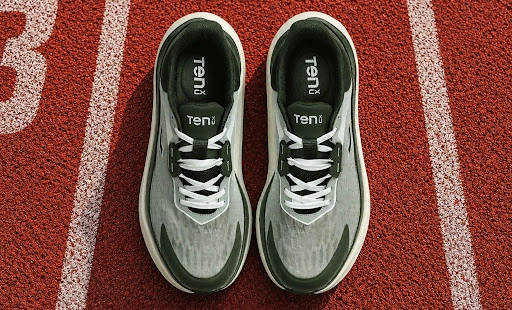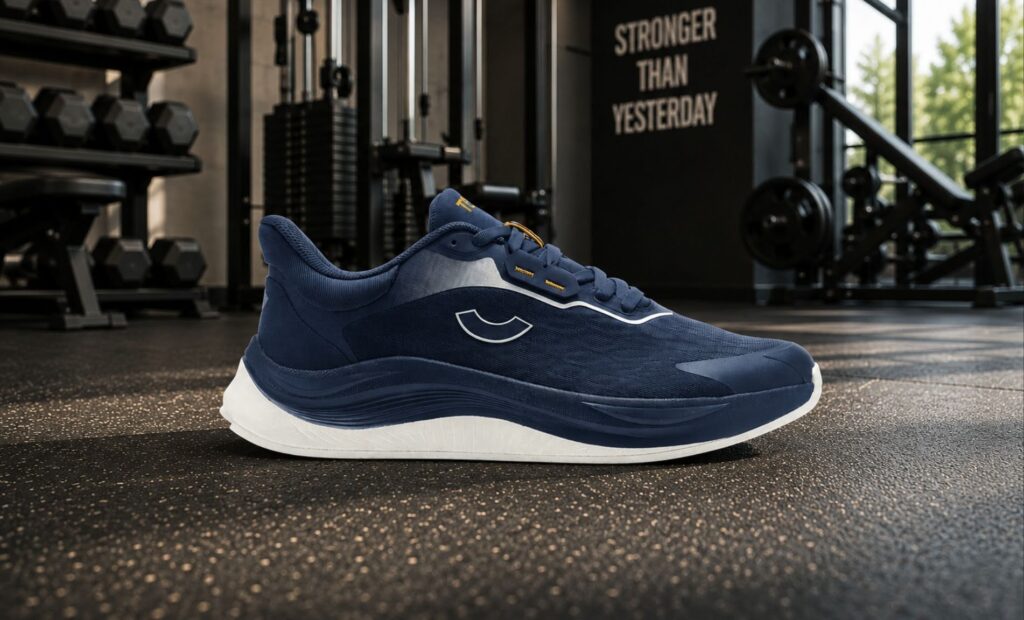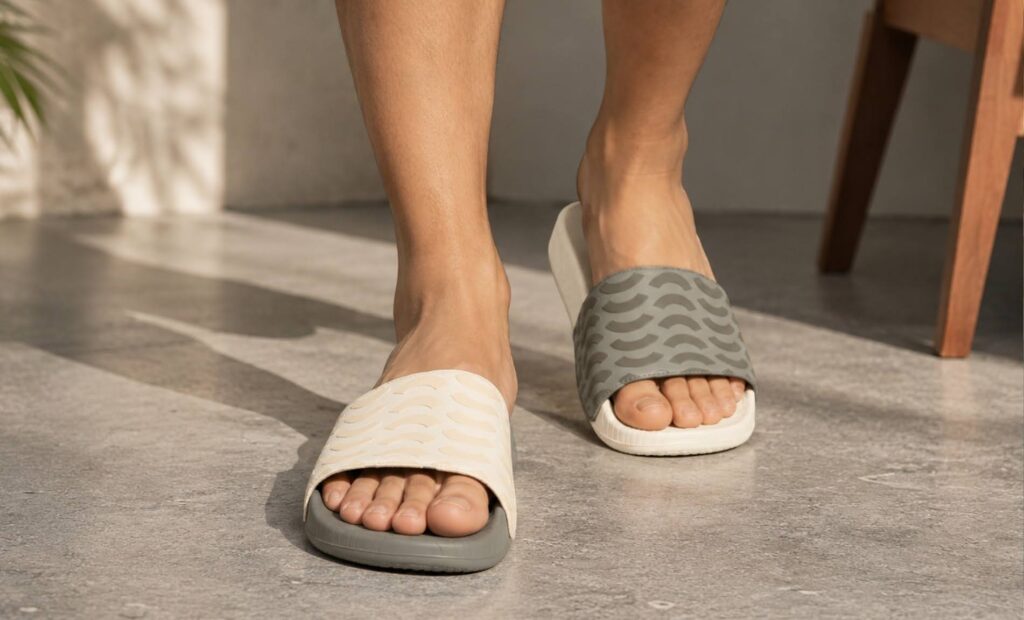
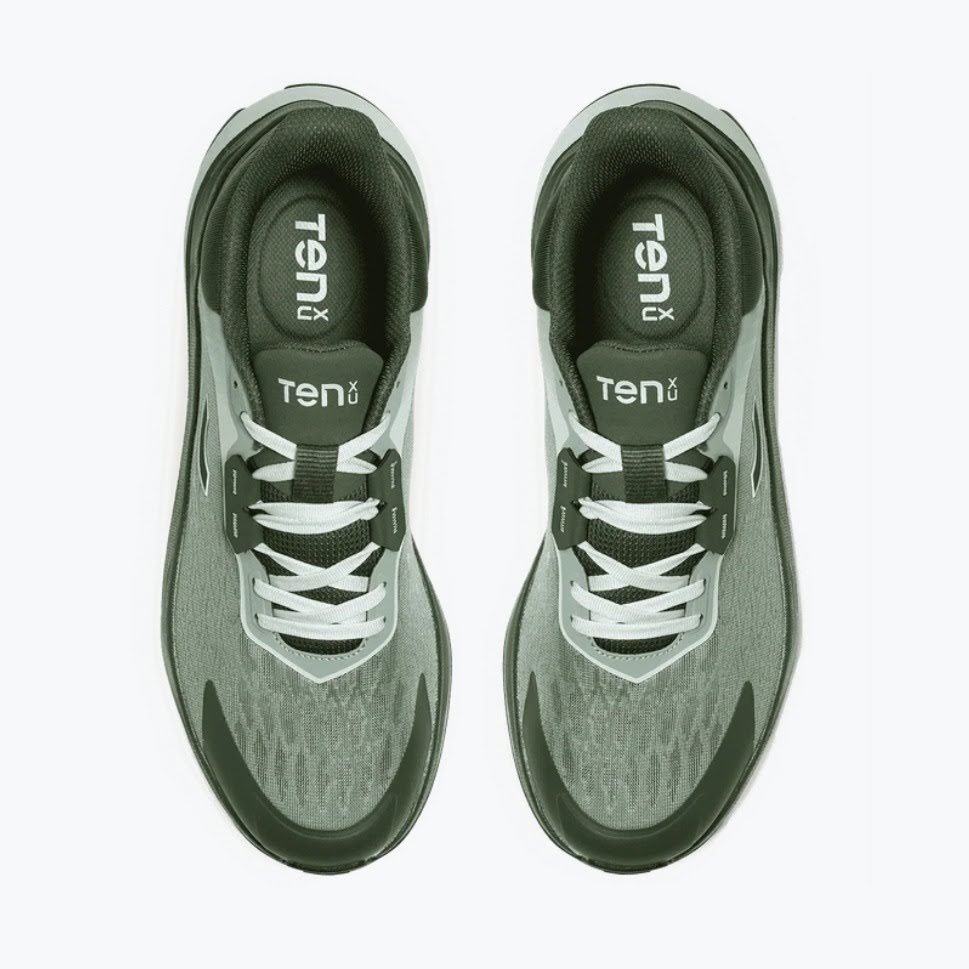
Your shoes fit perfectly on one foot and feel wrong on the other. Your friend swears by the same shoe that gives you blisters.
Foot shape affects how every shoe feels, performs, and wears down. Two people in the same shoes and size can have completely different experiences based on arch height, toe arrangement, and foot width.
Why Foot Shape Matters When Choosing Shoes
Your foot shape determines where pressure builds, how weight distributes on impact, and which shoe parts wear down first. Wearing the wrong shoe leads to bunion pressure, plantar discomfort, and soreness that gets worse over time. Wearing the right one means even weight distribution and comfort that lasts.
5 Common Types of Foot Shapes (And What Each One Needs)
Foot shape covers two things: arch type and toe arrangement. Here’s how to identify yours and what to look for in a shoe.
Flat Feet (Low Arch)
Your entire sole touches the ground when you stand. Flat feet tend to overpronate, meaning the foot rolls inward, putting extra stress on ankles, knees, and lower back.
What to look for: structured arch support, a firm midsole, and a wide, stable base. The Switch OG 2.0 features inbuilt arch support and a 70mm collar height that wraps around the ankle, keeping flat feet aligned. At 360g, the shoe stays light without sacrificing stability.
High Arches
Only the heel and ball of your foot touch the ground. High arches concentrate body weight on two small contact points, increasing pressure and the risk of stress injuries.
What to look for: generous cushioning and an insole that distributes pressure across the entire foot. The Aeonic Recovery Trainer uses INSITE Contoura insoles developed from over 120,000 3D foot scans. A deeper heel cup stabilizes the rearfoot, while dynamic arch support guides pressure through the full step cycle.
Gear Up For Your Next Run


Wide Feet
Your foot measures wider than average relative to its length. Wide feet are common in India, where foot morphology tends toward a broader forefoot compared to the narrow lasts most global brands use.
What to look for: a wide toe-box that lets toes spread naturally. Every shoe in the Ten x You range prioritizes a wide Indian foot design. The Aeonic uses a flared toe box that widens at the front for better balance and less bunion pressure.
Narrow Feet
Your foot is slimmer than average, and shoes often feel loose around the heel, even in the correct length.
What to look for: a secure lacing system and a snug heel counter. The Crossover Slip On uses bungee lacing that you set once for custom tension. A TPU heel cup locks the rearfoot, and a stationary tongue prevents shifting.
Neutral Feet (Medium Arch)
Your arch sits at a balanced height, and your foot rolls slightly inward on impact, the most biomechanically efficient movement.
What to look for: balanced cushioning without over-correction. The Zenflo Walking Shoe provides INSITE dual-density insoles with 8mm of Levation PU foam at the heel tapering to 4mm at the forefoot, enough support without unnecessary structure.
Foot Shape and Shoe Features for Quick Reference
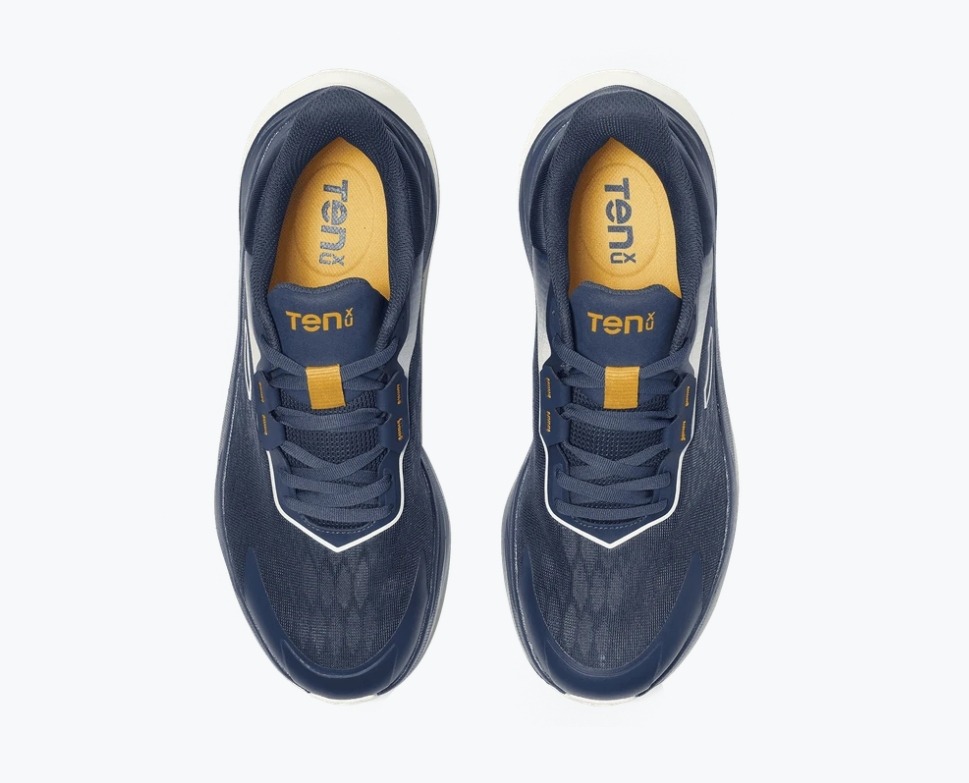
| Foot Shape | Key Need | Shoe Feature to Look For |
| Flat feet | Arch stability | Structured arch support, firm midsole |
| High arches | Pressure distribution | Contoured insole, deep heel cup |
| Wide feet | Toe room | Wide toe-box, flared forefoot |
| Narrow feet | Heel lockdown | Snug lacing, TPU heel cup |
| Neutral feet | Balanced comfort | Dual-density insole, moderate cushioning |
How to Check Your Foot Shape at Home
You don’t need a podiatrist to identify your basic foot type. Wet the bottom of your foot, step onto brown paper, and look at the print. Full sole visible means flat feet. Only the heel, ball, and a thin outer strip means high arches. A moderate band through the middle means neutral.
For width, measure at the widest point across the ball and compare to a size chart. If your foot measures 4mm or more beyond average width for your length, you have wide feet.
How Toe Shape Affects Shoe Fit
Beyond arch type, toe arrangement changes determine which shoes feel right.
- Egyptian foot (big toe longest, others slope down): needs a rounded toe box with room at the front.
- Roman foot (first three toes nearly equal): fits well in a square or wide toe box.
- Greek foot (second toe longer than big toe): needs extra vertical room to avoid pressure on the longer toe.
A wide toe-box made for Indian feet accommodates all three shapes better than narrow, tapered designs.
Your Feet Are Unique, Your Shoes Should Match too
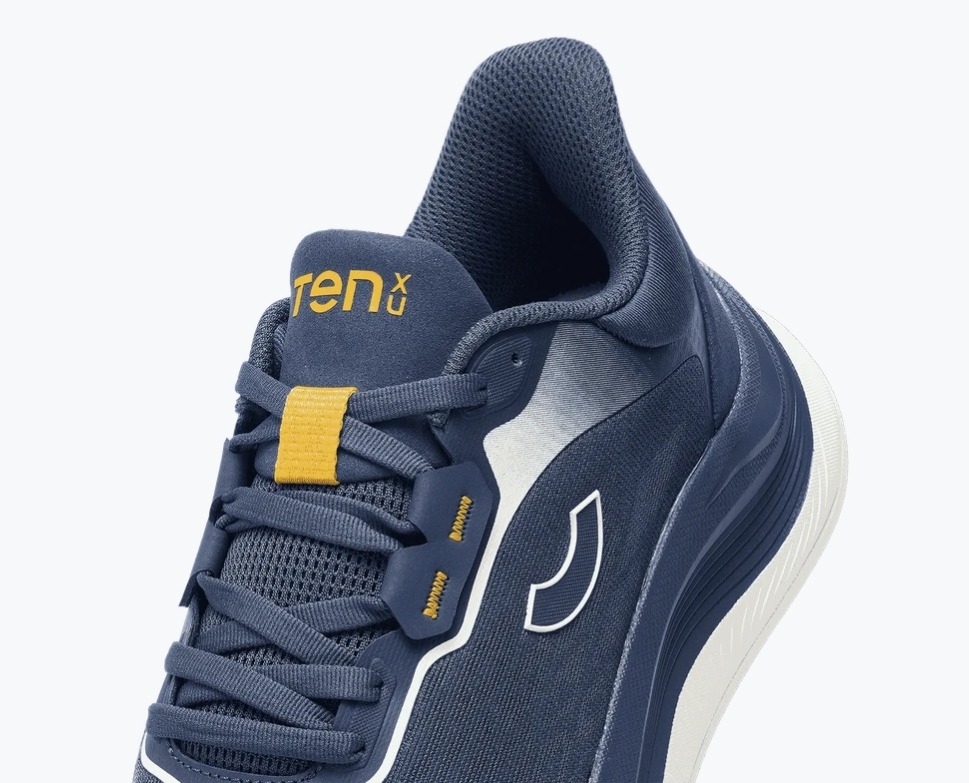
No two feet are exactly alike. Your arch height, foot width, and toe arrangement all shape how a shoe feels on your body. The right shoe matches your foot, not the other way around.
Stop forcing your feet into shoes built for someone else’s shape. Life never stops, and play shouldn’t either. Never Stop Playing.
Lace up and find out. Check our products and find your fit.
Frequently Asked Questions
Gear Up For Your Next Run