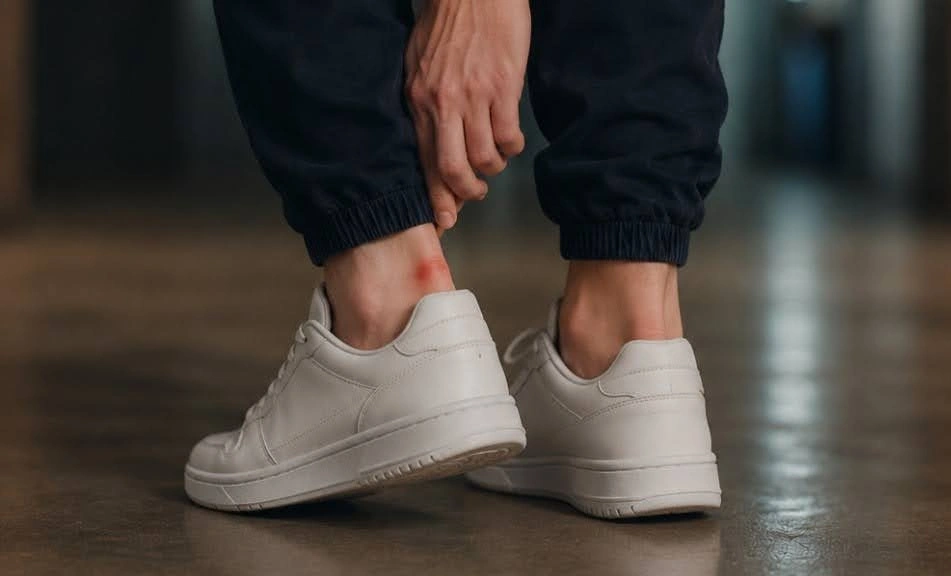
Starting to run is easy. Picking the right running shoes is where most beginners get stuck. The wrong pair can lead to shin splints, blisters, or sore knees in the first few weeks.
The good news is that choosing running shoes follows a simple sequence. Know your foot, match the cushioning, pick for your surface, and nail the fit. Each step below builds on the last, so you start on the right foot.
Step 1: Know Your Pronation
Pronation is the natural inward roll of your foot when it hits the ground. Knowing your type is the first step in choosing running shoes, because it decides how much support you need.
There are three pronation types:
- Neutral pronation: the foot rolls inward a healthy amount to absorb shock. Neutral, cushioned shoes work best.
- Overpronation: the foot rolls inward too much, often linked to flat feet. Stability shoes help keep things aligned.
- Supination (underpronation): the foot rolls outward, often linked to high arches. Cushioned, flexible shoes help absorb impact.
You can check your pronation by looking at the wear pattern on an old pair of shoes. Wear on the inner edge points to overpronation. Wear on the outer edge points to supination.
Gear Up For Your Next Run




Step 2: Find Your Arch Type
Your arch height affects your pronation, so knowing it helps confirm the shoe type you need. A quick home test makes this easy.
Try the wet test:
- Wet the sole of one foot.
- Step onto a piece of paper or a dry floor.
- Look at the footprint shape.
A full footprint with little curve points to flat feet and often overpronation. A thin band or no band in the middle points to high arches and often supination. A moderate curve points to a neutral arch. For a deeper look, our guide to foot shapes and their compatible shoes breaks down each type.
Step 3: Pick the Right Cushioning
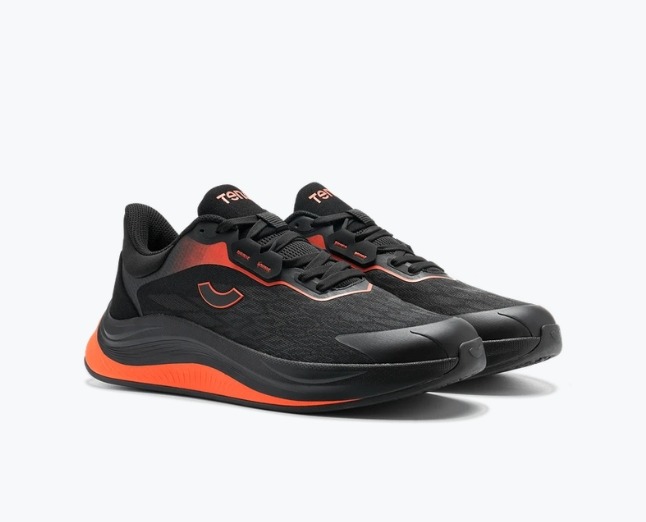
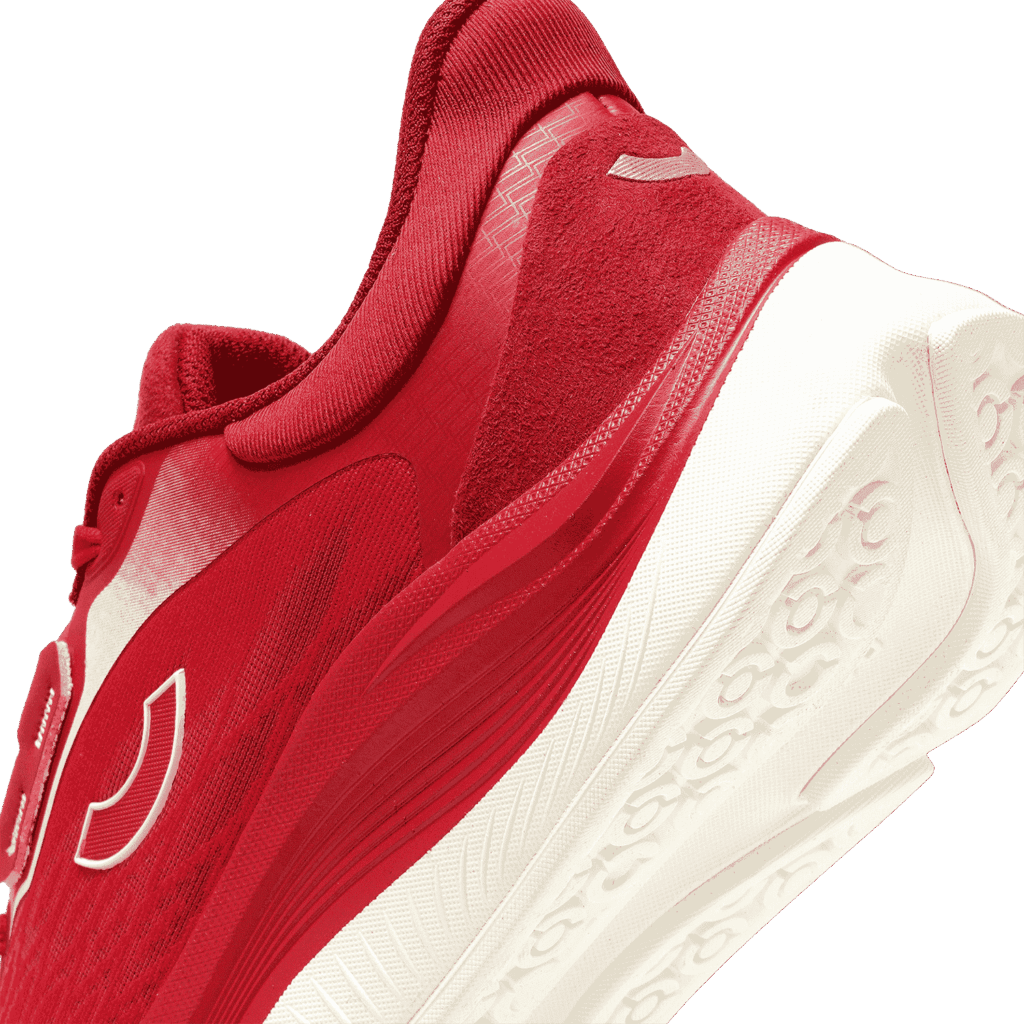
Cushioning is the foam in the midsole that absorbs impact each time your foot lands. As a beginner, your joints are still adapting to the repetitive load, so cushioning matters more than speed.
Beginners do well with moderate to high cushioning for everyday training runs. A well-cushioned daily trainer lets your legs adapt and build strength naturally. Skip carbon-plated racing shoes at the start; you earn those once your form develops.
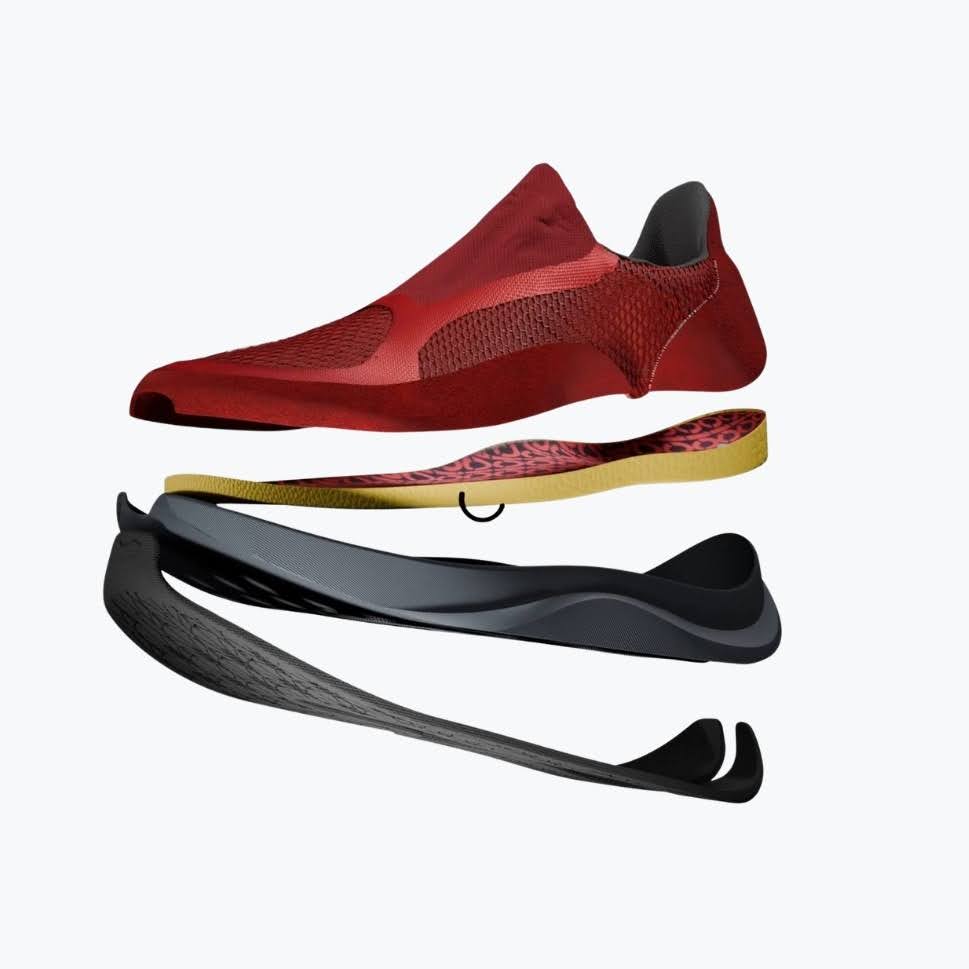
The Aeonic Recovery Trainer is built for this run-and-recover stage. The Aeonic Recovery Trainer uses INSITE Contoura insoles shaped from over 120,000 foot scans. A Levation PU base adds cushioned support on daily runs. For more on what to look for, see our guide to the best cushioned running shoes.
Step 4: Match the Shoe to Your Surface
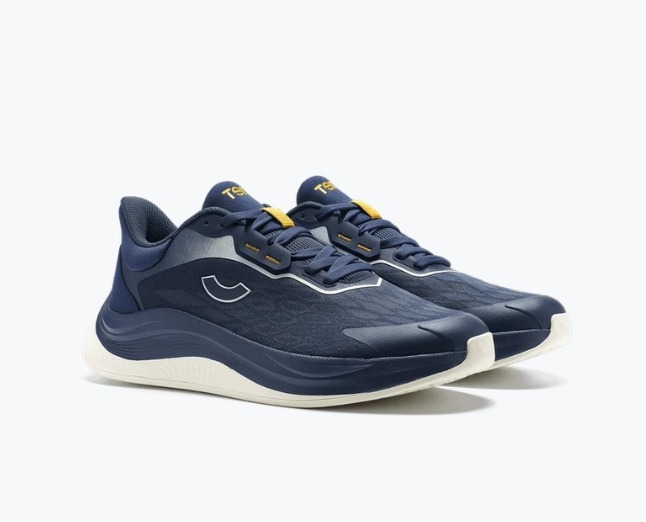
Where you run is as important as how you run. The surface decides the traction and protection you need, so match the shoe to your ground.
A simple split:
- Road and treadmill: smooth or lightly treaded outsoles with responsive cushioning suit pavement and indoor runs.
- Trail: aggressive lugs and tougher uppers grip mud, gravel, and uneven ground.
Most beginners start on roads, treadmills, or park paths, so a road or all-surface shoe is the safe first pick. Our guide to the different types of shoe soles explains how outsole patterns change grip.
Step 5: Get the Fit Right
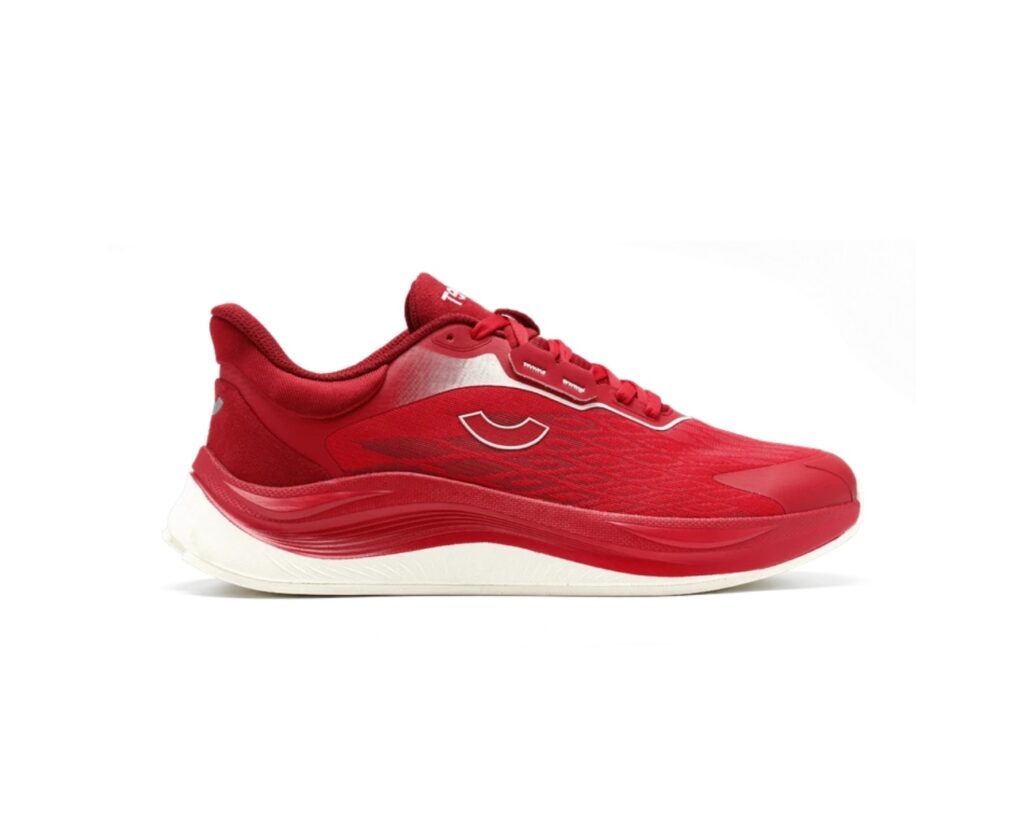
Fit matters more than brand or looks. A poorly fitting shoe causes blisters and lost runs, so take time to get this right.
Follow these fit rules:
- Leave a thumb-width of space between your longest toe and the shoe front.
- Shop late in the day, since feet swell and you want the larger size.
- Size up half to a full size from your regular shoes, because feet expand during runs.
- Keep the heel and midfoot snug while the toe box stays roomy.
Indian feet are often wider than standard sizing accounts for. A wide toe-box made for Indian feet gives the toes room to splay on landing, which keeps long runs comfortable.
Step 6: Know When to Replace Them
Running shoes lose their cushioning over time, and worn shoes raise your injury risk. Knowing when to replace them keeps you running pain-free.
Watch for these signs:
- You have logged roughly 300 to 500 miles (about 500 to 800 km).
- The midsole feels flat or compressed underfoot.
- The outsole shows uneven or heavy wear.
- New aches appear in your feet, shins, or knees.
Rotating two pairs once you run regularly also extends their life, since the foam gets time to bounce back between runs.
Neutral vs Stability vs Cushioned: Quick Comparison
A short reference to match your pronation to the shoe type.
| Shoe Type | Best For | Key Feature |
| Neutral | Neutral pronation | Balanced cushioning, no correction |
| Stability | Overpronation | Firmer support to limit inward roll |
| Cushioned | Supination, high arches | Extra soft midsole for shock absorption |
The key point is to match the shoe to your foot, not to chase the flashiest pair. A beginner who picks for pronation, cushioning, surface, and fit avoids most early injuries.
Start Your First Mile Right
Every runner started with a first mile. The right shoes make that mile feel good enough to come back for the next one.
Ready to feel the difference for yourself? Check our running shoes and find a cushioned pair built for your stride. Never Stop Playing. Start here.
Frequently Asked Questions
Gear Up For Your Next Run