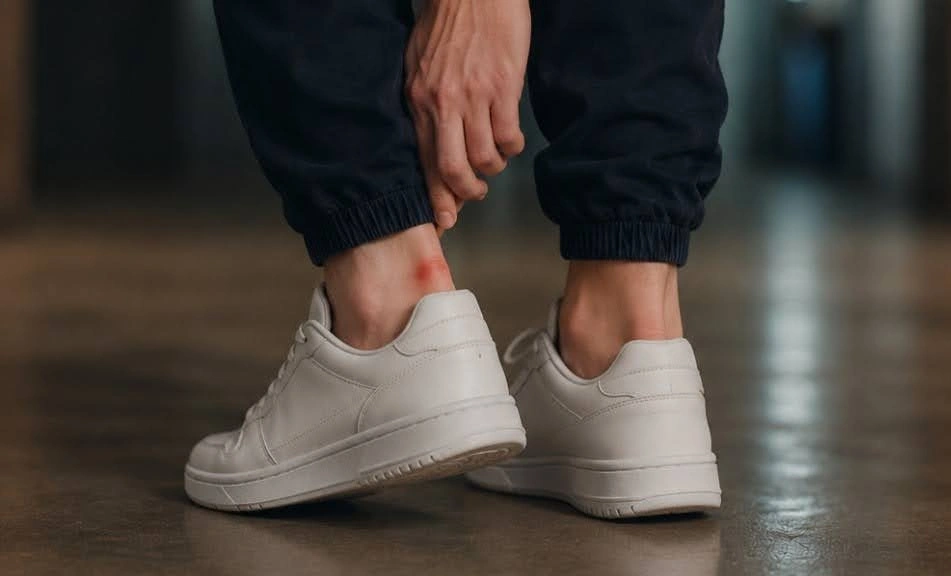
A shoe bite is a painful blister, redness, or sore that shows up when a new shoe rubs against your skin. The most common spots are the back of the heel, the sides of the toes, and the back of the ankle.
The fix is straightforward. Stop the friction before it starts. Here are seven simple steps to prevent a shoe bite from new shoes, plus what to do if you already have one.
How to Prevent Shoe Bite from New Shoes (Step by Step)
Most shoe bites come from one cause. The shoe and the foot have not adapted to each other yet. Walk through these seven steps in order. The first three prevent most shoe bites on their own.
1. Get the Right Size and Width
A shoe that fits right is the strongest defence against a shoe bite. Too tight pinches your toes and heel. Too loose lets your foot slide and rub against the seams.
Always try shoes on in the late afternoon when your feet are slightly swollen. Check for a thumbnail of space at the toe and no heel slip. Width matters as much as length, since Indian feet are often wider at the forefoot. Picking a shoe built around your foot shape, like the Crossover Slip On Sneaker or Aeonic Recovery Trainer, reduces toe pinch from day one.
2. Break Them In Gradually
New shoes need a break-in period. Wear them for 30 to 60 minutes around the house on day one, and add a little time each day across the week. The materials soften, and the shape adjusts to your foot. Skipping this step is the most common reason a shoe bite happens.
3. Wear Socks During Break-In
Socks act as a buffer between your foot and the shoe. The fabric reduces direct rubbing and absorbs sweat. Pick cotton or moisture-wicking blends over thin nylon. For the first few wears, slightly thicker socks help gently stretch the shoe as you walk.
4. Apply Petroleum Jelly or Coconut Oil to Friction Spots
A common question is what to apply to new shoes to avoid a shoe bite. The answer is a thin barrier on your skin at the rub points. Spread petroleum jelly or coconut oil on your heel, toe edges, and the back of your ankle before slipping the shoe on. Reapply after a long day.
5. Use Heel Pads, Moleskin, or Blister Patches
Heel grips, moleskin patches, and silicone inserts are the easiest fix for friction-prone areas. Stick them inside the shoe at the rub points, not on your skin. A small fabric patch placed over a rough seam stops the rub before it starts. Hydrocolloid blister plasters are useful if a sore spot has already formed.
6. Keep Your Feet Dry
Moisture multiplies friction, since sweaty feet rub harder against any shoe. Dust talcum powder or foot powder inside the shoe before wearing. Choose moisture-wicking socks over heavy cotton if your feet sweat a lot. Wipe insoles dry after long sessions.
7. Stretch the Trouble Spots
If a specific area keeps pinching, stretch only that area gently. Fill a sealed plastic bag with water, place it inside the shoe, and put the shoe in the freezer overnight. The expanding ice stretches the material a small amount. For leather, a wooden shoe stretcher works well, or wear thick socks and walk indoors for 20 minutes.
Gear Up For Your Next Run


How to Treat a Shoe Bite You Already Have
Already have a shoe bite? Stop wearing the shoe that caused it. The basic care routine is short.
- Clean the area with mild soap and lukewarm water.
- Pat dry, then apply an antiseptic cream if the skin has broken.
- Cover with a bandage or hydrocolloid blister plaster to protect the spot from further rubbing.
- Apply aloe vera gel for soothing if the skin is red but not broken.
- Rest the foot. Switch to soft, open footwear for a day or two.
For severe pain, swelling, or a shoe bite that does not heal within a week, see a doctor.
Why Shoe Bites Happen
Shoe bite is friction damage. The skin breaks down where the shoe rubs the same spot over and over. Three things make it more likely:
- Poor fit, either too tight or too loose
- Stiff materials that have not softened yet
- Sweaty feet that increase friction
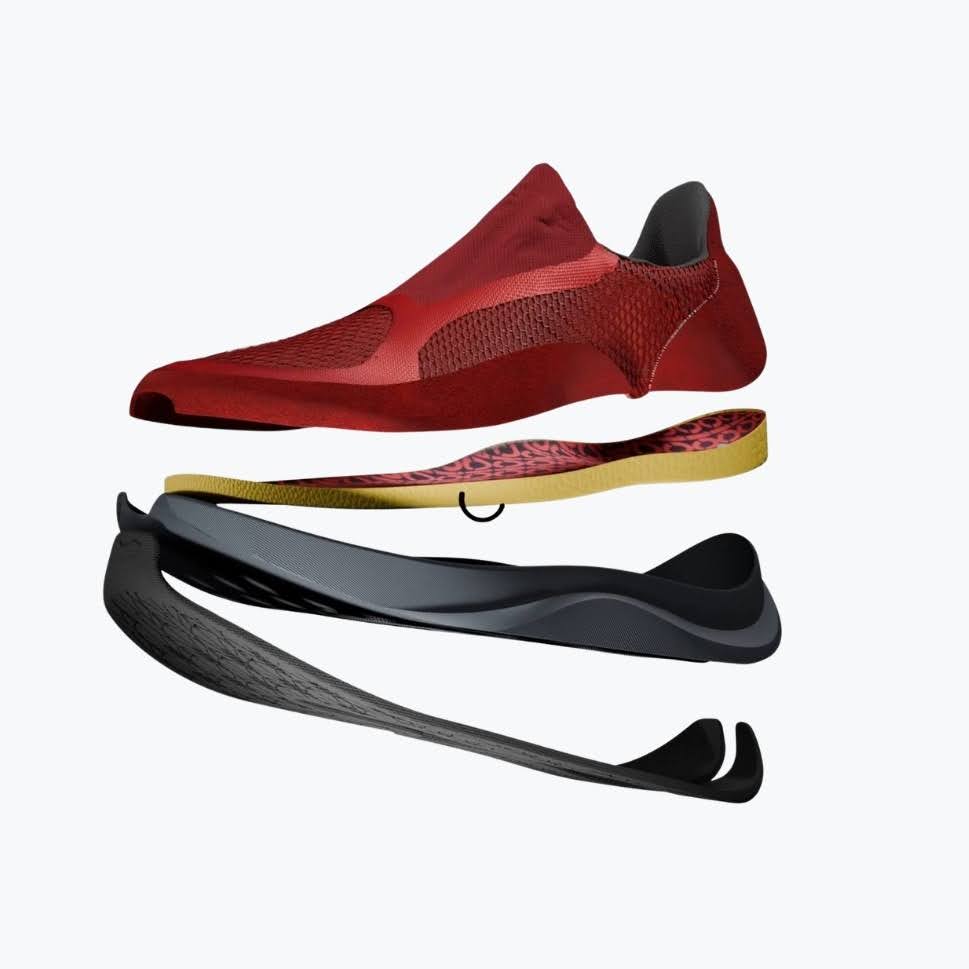
For a closer look at where shoe friction starts, our guide to the parts of a shoe is a good starting point. The heel counter, toe box, and tongue are the three spots where shoe bite shows up most. Shoes built around a wide Indian foot design with contoured insoles reduce these friction zones from day one. Two examples are the Switch OG 2.0 Multi-Sport Sneaker and the Zenflo Walking Shoe.
Make Day One Feel Like Day Ten
A new pair should feel like an old friend by the second wear. With the right fit, a slow break-in, and a small barrier of jelly, day one stops being painful and starts being fun.
Ready to feel the difference for yourself? Check our products and pick a pair built for how your feet actually move. Never Stop Playing. Start here.
Frequently Asked Questions
Gear Up For Your Next Run