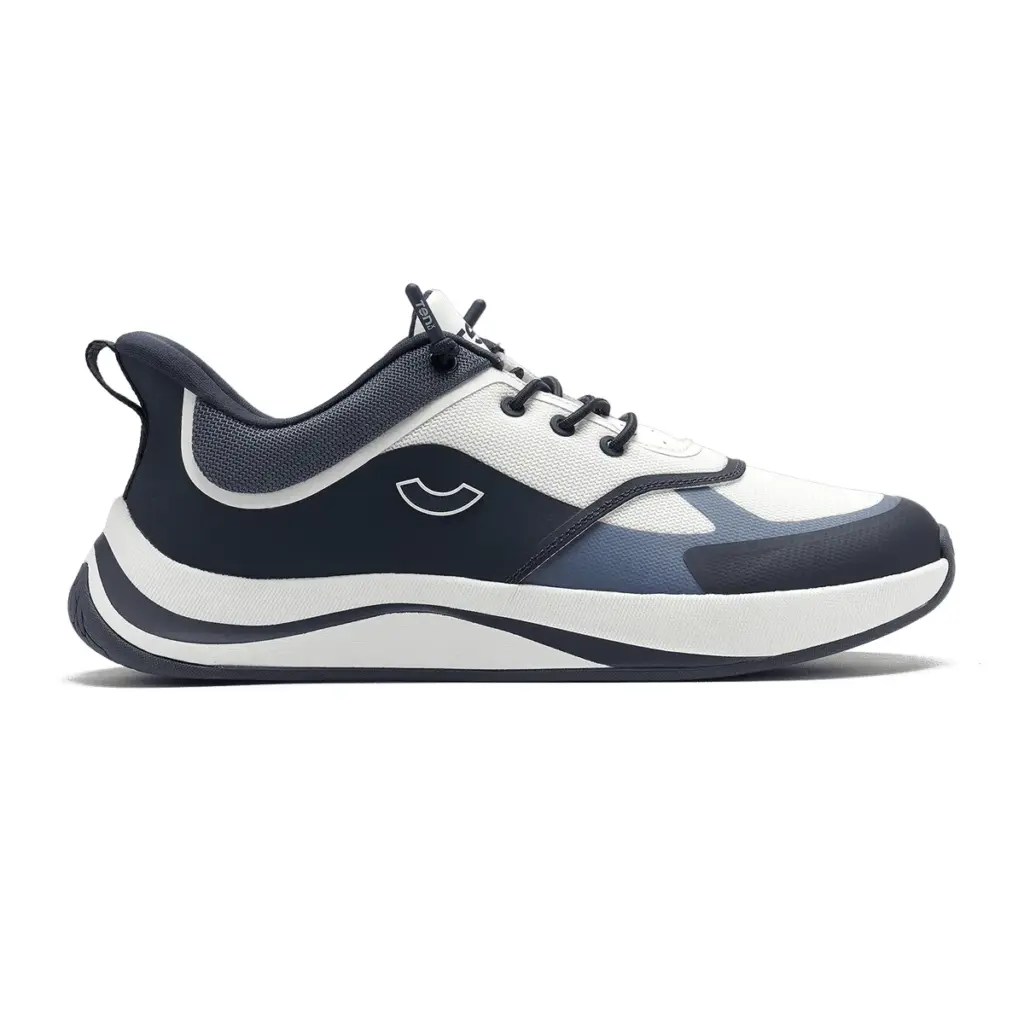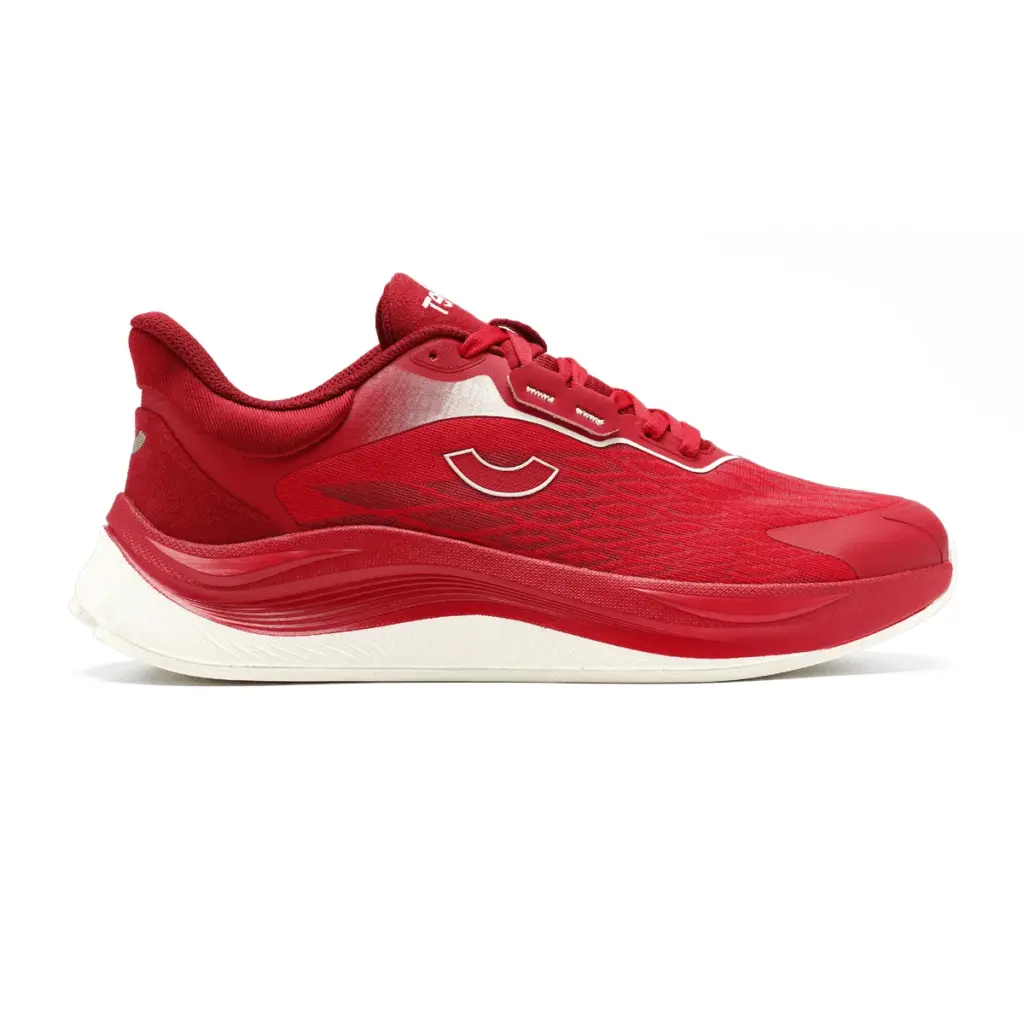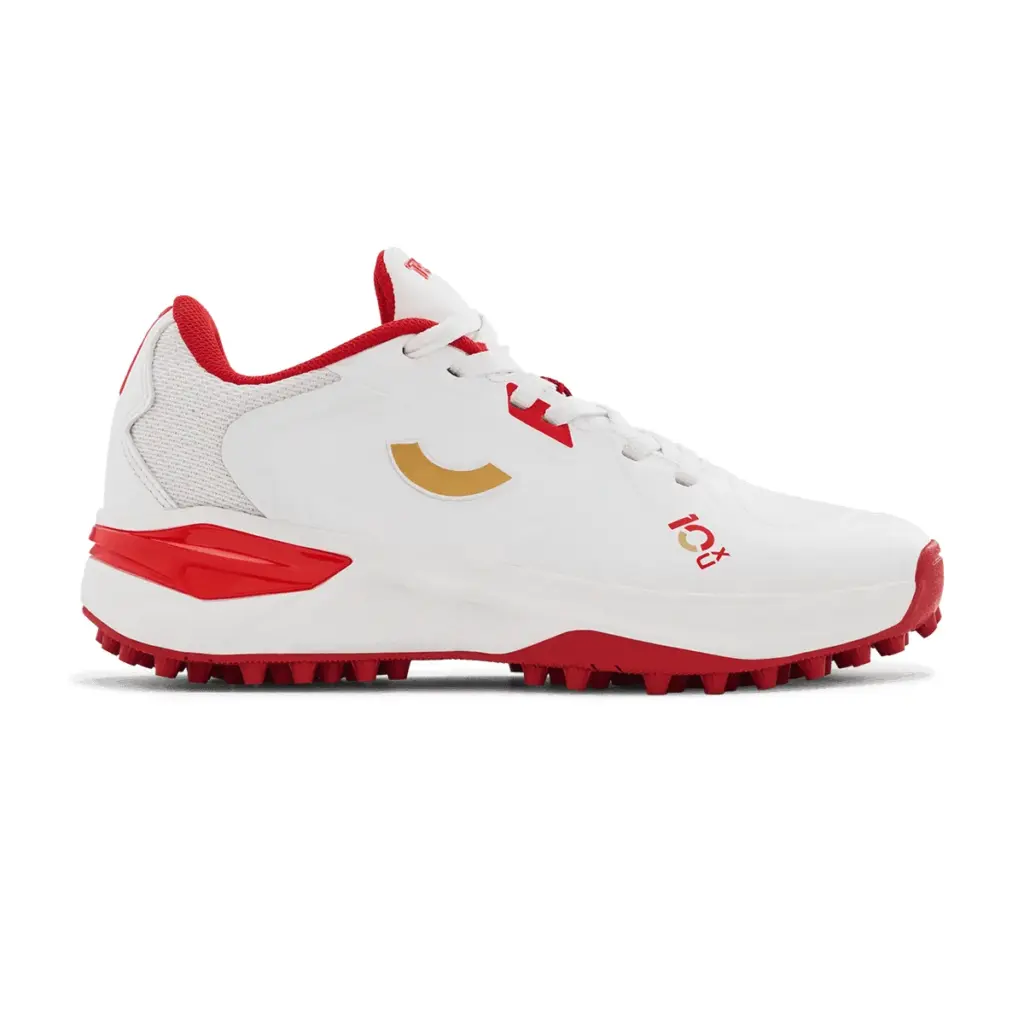
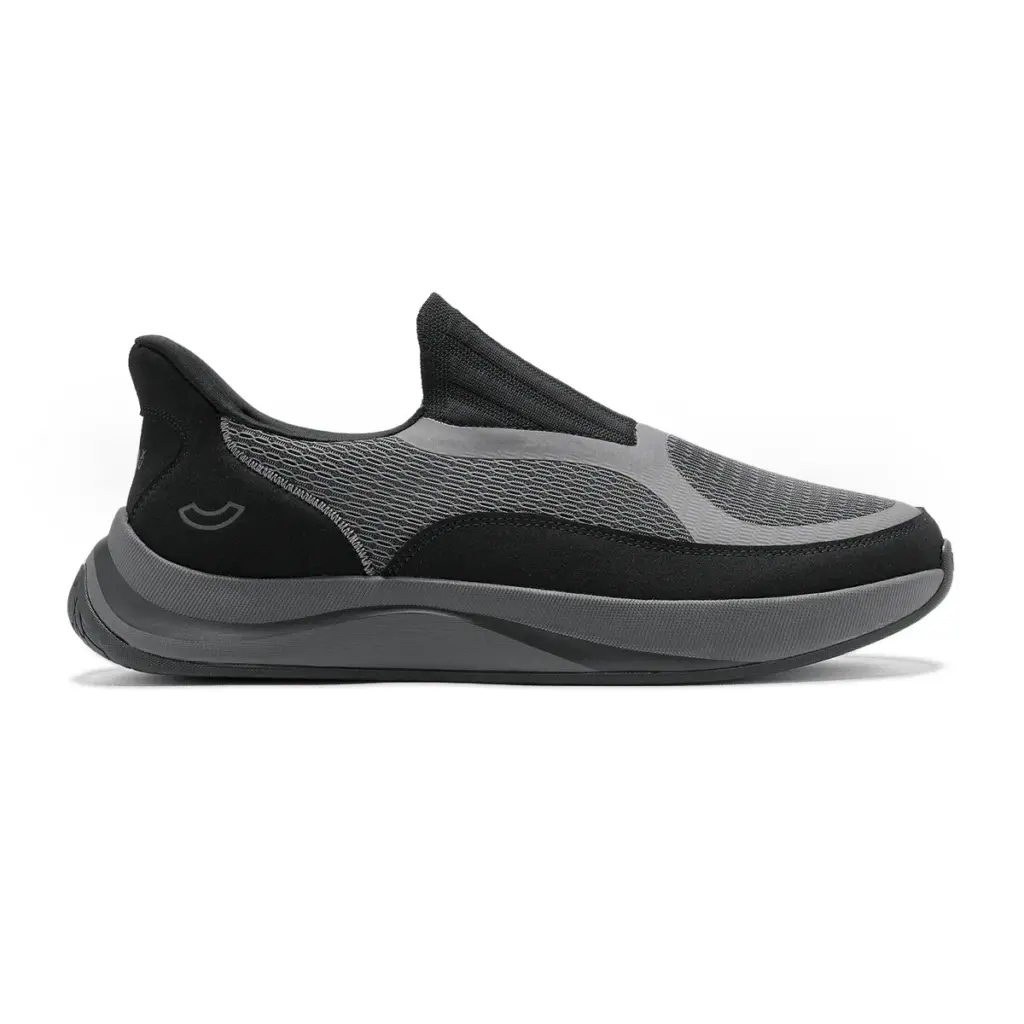
Good shoes for plantar fasciitis have firm arch support, a cushioned heel, a deep heel cup and a midsole that does not twist easily. They should fit with room for your toes and hold your heel without slipping. Shoes help with comfort, but heel pain that lasts more than a few weeks needs a doctor or physiotherapist.
Heel pain with your first steps in the morning is one of the most common foot complaints. Finding shoes for plantar fasciitis is where many people get stuck. Flat soles, soft sandals and worn-out trainers can all make each step harder on a sore heel.
The good news is that choosing a pair follows a simple sequence. Understand the problem, look for arch support, check the heel cushioning, check the heel cup, test the midsole, get the fit right and know what to avoid. Each step below builds on the last, so every step you take is a little easier.
Step 1: Understand Plantar Fasciitis
Plantar fasciitis is irritation of the plantar fascia, the thick band of tissue under your foot that runs from the heel to the toes. It usually shows up as a sharp pain under the heel, worst with the first steps after rest.
Common signs include:
- Pain under the heel when you get out of bed.
- Pain after standing for a long time or after exercise.
- Pain that eases once you walk for a few minutes, then returns.
Shoes can make daily life more comfortable, but they are not a treatment on their own. If heel pain lasts more than a few weeks, see a doctor or physiotherapist for a diagnosis and a plan.
Step 2: Look for Firm Arch Support
Arch support is the shaped part of the insole that fills the curve under your foot. It matters because a supported arch spreads your weight across the whole foot instead of loading the heel.
Check the insole for these signs:
- A visible rise under the arch, not a flat footbed.
- Firm foam that does not collapse when you press it with your thumb.
- A removable insole, so you can swap in a custom one if your doctor advises it.
If you are not sure what your arch type is, our guide to how to tell if you need arch support explains a simple home test.
Step 3: Check the Heel Cushioning
Heel cushioning is the foam under your heel that softens each landing. A sore heel takes the first hit of every step, so a thicker, softer heel area can feel more comfortable.
Watch for these features:
- A thicker heel than forefoot, often called a heel drop of 8 to 12 mm.
- Foam that feels soft but springs back, rather than staying squashed.
- No bare, thin heel area like you find in flats and flip-flops.
Avoid shoes with a zero drop or very thin heel while your heel is sore. Our guide to best cushioned running shoes explains how to judge cushioning.
Step 4: Check the Heel Cup
A heel cup is the firm, rounded back of the shoe or insole that wraps around your heel. It keeps the fat pad under your heel centred, so the cushioning works where you need it.
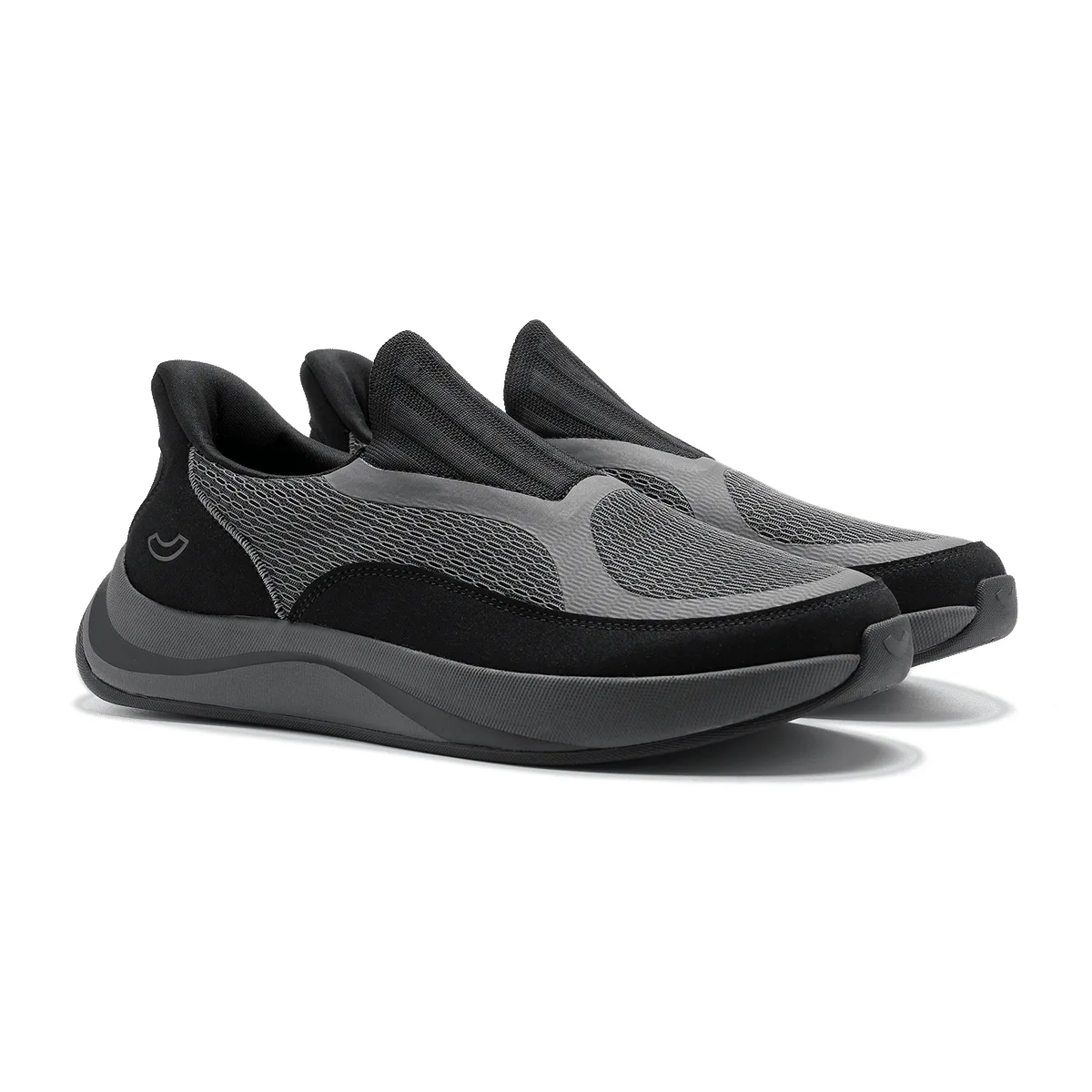
The Zenflo is built for this all-day need. The Zenflo Walking Shoe uses dual-density insoles with advanced arch support and an embedded TPU heel cup. A flared midsole and a wider fit add a stable base for long hours on your feet.
Squeeze the back of any shoe you try. It should feel firm and hold its shape, not fold flat.
Step 5: Test the Midsole
The midsole is the foam layer between the insole and the outsole. A stable midsole stops your foot rolling and twisting, which keeps strain off the fascia.
Try these quick tests:
- Hold the heel and toe and twist the shoe. It should resist.
- Bend the shoe. It should flex at the ball of the foot, not in the middle.
- Press the side of the heel. It should feel firm, not mushy.
A shoe that folds in half or twists like a towel offers little support. Pick one that passes all three tests.
Step 6: Get the Fit and Width Right
Fit is how well the shoe holds your heel and how much room it gives your toes. A tight shoe squeezes the foot, and a loose one lets the heel slide on every step.
Follow these fit rules:
- Shop in the evening, when your feet are at their largest.
- Leave about a thumb’s width in front of your longest toe.
- Your heel should not lift when you walk.
- Your toes should spread without pressing the sides.
Indian feet are often wider across the forefoot than standard sizing allows, so a narrow shoe can push you into a size that is too long. Our guide to why wide toe box shoes matter for Indian feet explains why width matters.
Step 7: Know What to Avoid
Some shoes put extra load on a sore heel. Knowing what to skip is as useful as knowing what to buy.
Watch for these:
- Flat sandals, flip-flops and ballet flats with no arch or heel support.
- Worn-out trainers with a compressed heel or a tilted sole.
- Walking barefoot on hard floors at home for long periods.
- Very high heels, which shorten the calf and load the forefoot.
Keep a supportive pair by the bed for those first steps of the day. Our guide to the best walking shoes for 10,000 steps a day covers footwear for long days on your feet.
Supportive vs Cushioned vs Flat Shoes: Quick Comparison
A short reference to match your shoes to a sore heel.
| Type | Best For | Key Feature |
|---|---|---|
| Supportive shoes | Daily walking and standing | Arch support, heel cup and stable midsole |
| Cushioned shoes | Long walks and light runs | Thick, soft heel and higher drop |
| Flat shoes | Short wear only | Little or no arch or heel support |
The key point is to pick arch support, a cushioned heel and a firm heel cup together, not to rely on softness alone. Combine the right shoes with the plan your doctor or physiotherapist gives you.
Take the First Step Easier
The right shoes will not fix heel pain overnight, but they can make each day more comfortable. Support under the arch and heel is where that starts.
Ready to feel the difference for yourself? Check our arch support shoes and find a pair built for all-day support. Never Stop Playing. Start here.
Frequently Asked Questions
What type of shoes are best for plantar fasciitis?
Shoes with firm arch support, a cushioned heel, a deep heel cup and a stable midsole are usually best for plantar fasciitis. They spread your weight and keep the heel steady. Avoid flat sandals and worn-out trainers while your heel is sore.
Are cushioned shoes good for plantar fasciitis?
Cushioned shoes can help with plantar fasciitis when the cushioning sits on top of a firm, supportive base. Softness alone is not enough, because a mushy shoe lets the foot roll. Look for a cushioned heel together with arch support and a heel cup.
Should I wear arch support shoes all day with plantar fasciitis?
Many people with plantar fasciitis find supportive shoes more comfortable through the day, including at home. Wearing a supportive pair for the first steps after rest can help. Follow the advice of your doctor or physiotherapist on how long to wear them.
Are flat shoes bad for plantar fasciitis?
Flat shoes with no arch support or heel cushioning can make plantar fasciitis feel worse. They put more load on the heel and the band under the foot. Save flats, flip-flops and ballet flats for short wear until your heel settles.
Do shoes cure plantar fasciitis?
Shoes do not cure plantar fasciitis on their own. Supportive footwear can make walking and standing more comfortable while the heel settles. Stretching, rest and advice from a doctor or physiotherapist are usually part of the plan as well.
How long do supportive shoes last?
Supportive walking shoes usually last several months to a year of daily wear, depending on how much you walk. Replace them when the heel looks compressed, the sole tilts or the arch feels lower. Worn-out shoes lose the support you bought them for.