Your cricket shoes decide how well you grip, pivot, and move at the crease. The surface you play on changes everything, since turf and hard ground demand completely different soles. Wear the wrong type, and you risk slipping, sore feet, or even a rolled ankle.
The right pair starts with one question: where do you play? We break down cricket shoes for turf and hard ground. You will also see the sole types that suit each surface and how your role shapes the best choice.
Match the Sole to the Surface
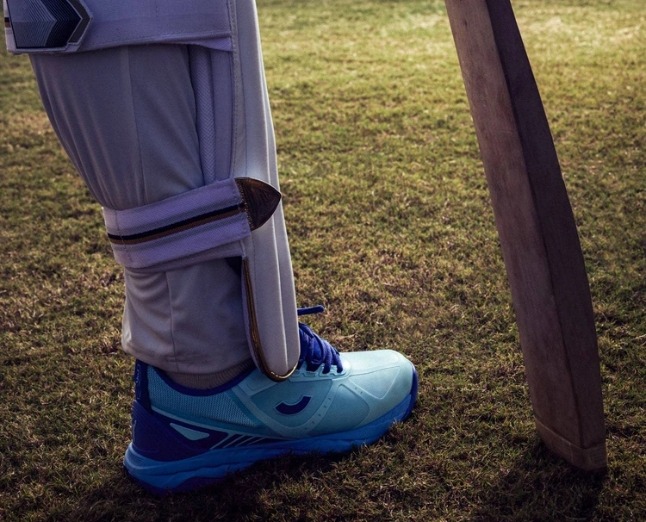
The surface you play on is the single biggest factor in choosing cricket shoes. Turf and hard ground put different demands on the sole, so start here before anything else.
Gear Up For Your Next Run


Turf and Natural Grass
Turf and natural grass need maximum grip, which means spikes. Soft, sometimes damp grass calls for spikes that dig in and hold during a bowler’s run-up or a batsman’s pivot. Metal spikes give the deepest traction on natural wickets. Longer studs around 15 to 20mm suit soft, wet grounds, while shorter spikes around 10 to 12mm suit firmer, drier turf.
Hard Ground and Synthetic Surfaces
Hard ground, matting, and synthetic pitches need rubber studs, not metal spikes. Metal spikes are useless on concrete-based or artificial surfaces and can be unsafe, since they cannot penetrate and often raise the risk of slipping. Rubber-studded or dimple soles grip firm surfaces without damaging them. Many local grounds across South Asia use hard, dry soil or matting over concrete, which makes rubber soles the practical choice.
Cricket Shoe Sole Types Explained
Three main sole types cover cricket’s surfaces. Knowing how each behaves helps you match shoe to ground with confidence.
Metal Spike Shoes
Metal spike shoes are the traditional choice for natural grass. The spikes dig into soil for unmatched grip during fast bowling and batting. The trade-off is that they only work on grass, since metal spikes cannot be used on hard or synthetic surfaces. Serious players who stick to turf benefit most from a dedicated spike shoe.
Rubber Stud Shoes
Rubber stud shoes are the versatile, multi-surface option. Moulded rubber projections provide traction on dry turf, synthetic pitches, and hard practice areas without tearing the surface. Rubber soles also suit nets, training, and recreational play. For players who move between surfaces, rubber studs are the safest single pick.
Hybrid and Modular Shoes
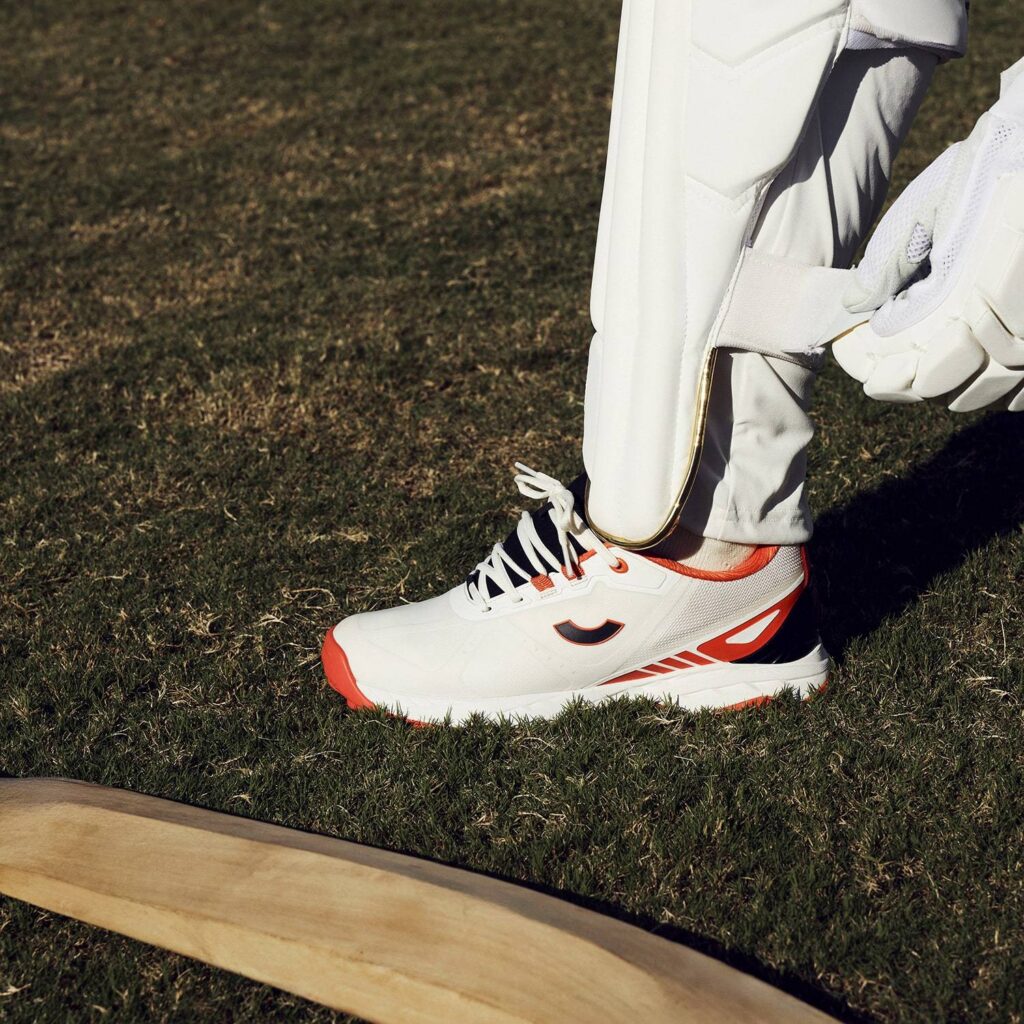
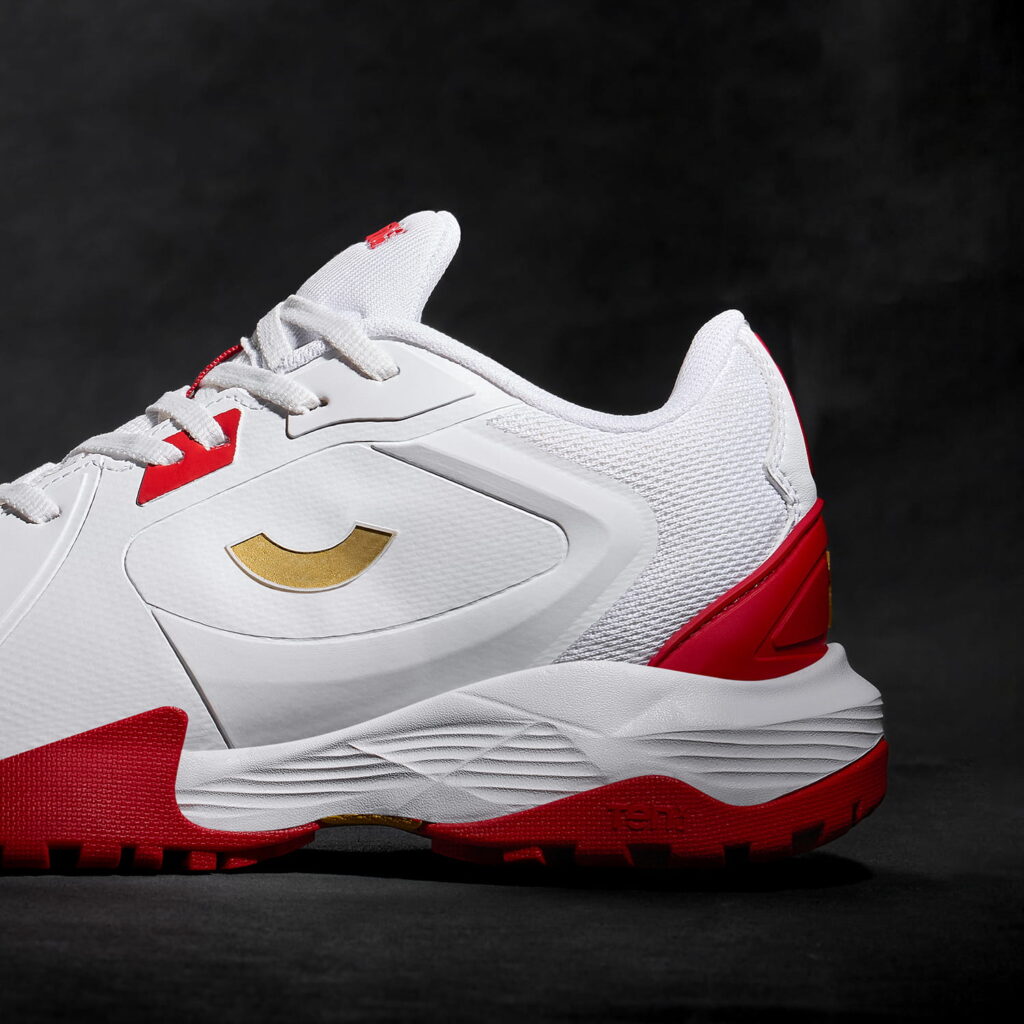
Hybrid shoes combine the best of both worlds. Some designs pair a versatile base with removable spikes, so you adapt traction to the surface on the day. The Ten x You Switch Fan Edit Multi-Sport Sneaker works as a modular system. Compatible rubber spikes screw in for turf and matting, then come off for everyday wear.
Choose by Your Role on the Field
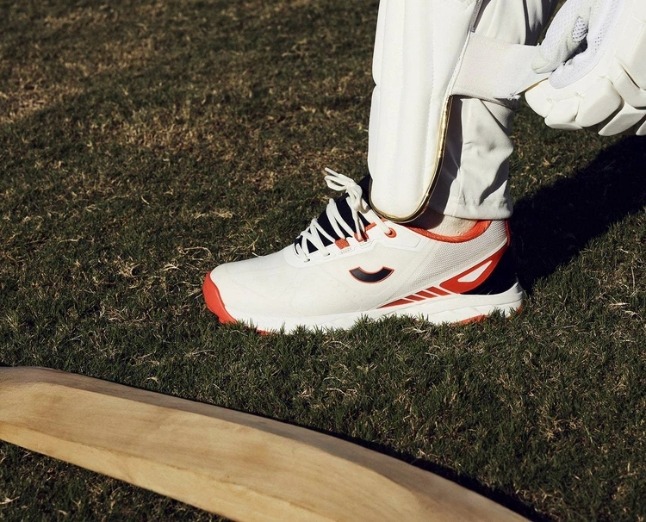
Your position shapes the demands on your shoes. A bowler, a batsman, and a wicket-keeper each need slightly different features.
The needs by role:
- Bowlers: stability and grip to handle the force of the landing stride.
- Batsmen: secure pivot grip, toe protection, and a stable stance.
- All-rounders: balanced rubber studs or half-spikes for flexible, multi-role use.
- Wicket-keepers: lightweight, agile designs, often with rubber soles for flexibility.
For batsmen who play on turf, a purpose-built spike shoe matters most. The Ten x You Centurion Pro Batsman Shoe was co-created by Sachin Tendulkar with a Pull-Pivot spike for grip on pull and sweep shots. An anti-skid outsole is tuned for turf and hard surfaces, and a 70mm collar adds ankle stability through sharp lateral movements.
Key Features to Check Before You Buy
Beyond surface and role, a few features separate a good cricket shoe from a poor one. Run through this quick checklist.
- Outsole: spikes for turf, rubber studs for hard ground.
- Cushioning: an EVA or foam midsole to absorb impact over long innings.
- Toe protection: a reinforced toe for batting and fielding.
- Ankle support: a higher collar for lateral stability.
- Fit: snug heel and midfoot, with toe room so feet can splay.
Indian feet are often wider than standard sizing allows, so a wide-fit last matters. The Centurion Pro uses a wide Indian foot design to prevent cramping and hot spots during long innings. For a deeper look at how sole materials behave, our guide to the different types of shoe soles explains rubber, EVA, and TPU.
A Note on Safety and Surface Rules
Never wear metal spikes on artificial or rubberized surfaces. Most venues prohibit them, since metal damages the pitch and raises the risk of slipping where the spikes cannot grip. Match your sole to your primary surface, and keep a rubber-soled option for hard grounds and nets.
For the full story on spike design and grip, our guide to the best cricket spikes shoes covers how spike configuration affects performance.
Step Onto the Pitch With Confidence
The right cricket shoes ground every shot, every stride, and every dive. Match your soles to your surface, suit them to your role, and your feet handle the rest while you focus on the game.
Ready to feel the difference for yourself? Check our cricket range and find the pair built for the way you play. Never Stop Playing. Start here.
Frequently Asked Questions
Gear Up For Your Next Run