Sneakers are built for everyday comfort and style, with flat, simple soles. Sports shoes are built for a specific activity, with cushioning, grip and support designed for running, training or court play. Wear sneakers for daily life and short walks, and sports shoes whenever you run, train or play.
Most people own both and still wear the wrong one. Choosing between sneakers vs sports shoes is where people get stuck. The wrong pair can mean sore knees after a run in flat sneakers, or a heavy, bulky look at the office.
The good news is that the choice follows a simple sequence. Know what sneakers are, know what sports shoes are, then compare sole, support, weight and breathability, match the shoe to your day and decide when one shoe is enough. Each step below builds on the last, so you always pick the right pair for the job.
Everyday Sneakers


Step 1: Know What Sneakers Are
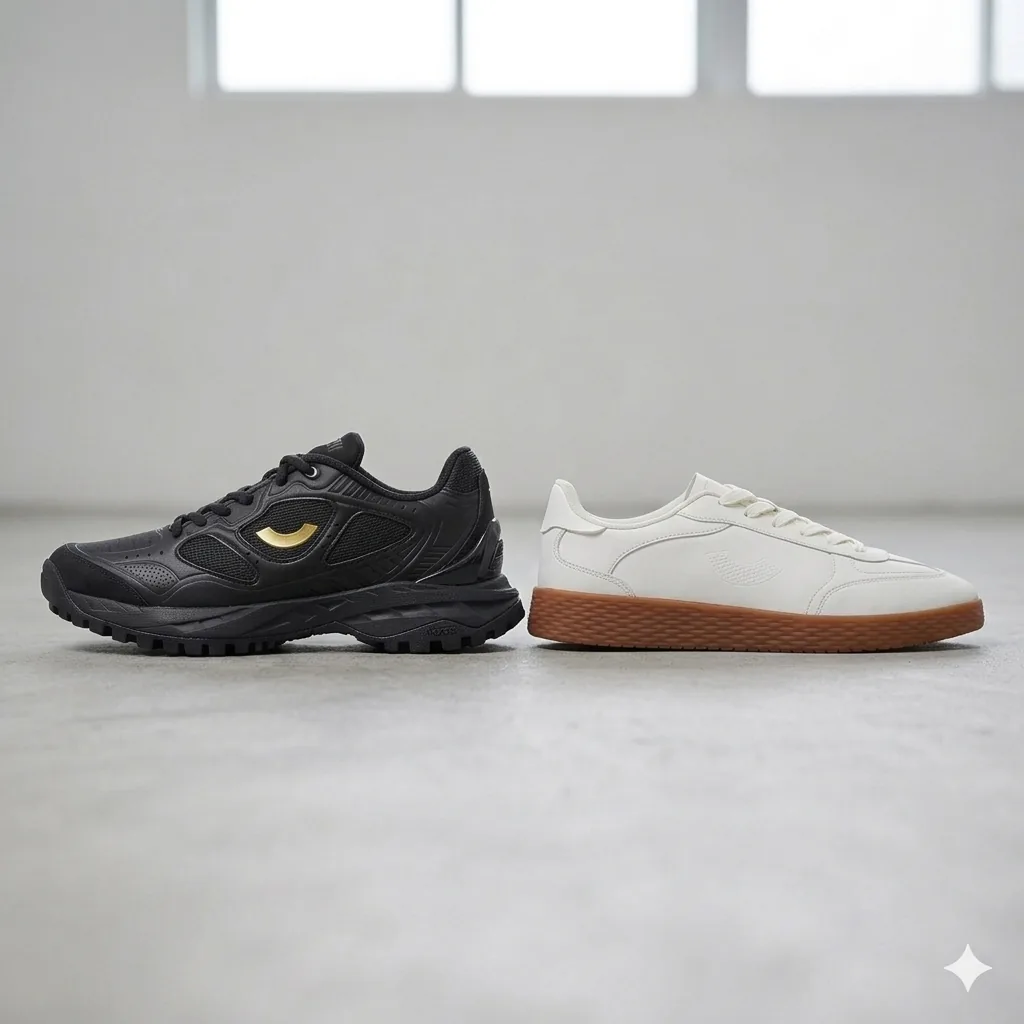
Sneakers are casual shoes with rubber soles, built mainly for everyday wear and style. They matter here because they look sporty, which is why people mistake them for training shoes.
Most sneakers share these traits:
- A flat or lightly cushioned sole, often a cupsole or vulcanised rubber.
- A stiff, durable upper in leather, canvas or synthetic.
- Little structure for side-to-side movement or long runs.
Sneakers are great for college, the office on casual days, travel and short walks. They are not built to absorb impact over kilometres of running or to hold your foot steady through sharp turns.
Step 2: Know What Sports Shoes Are
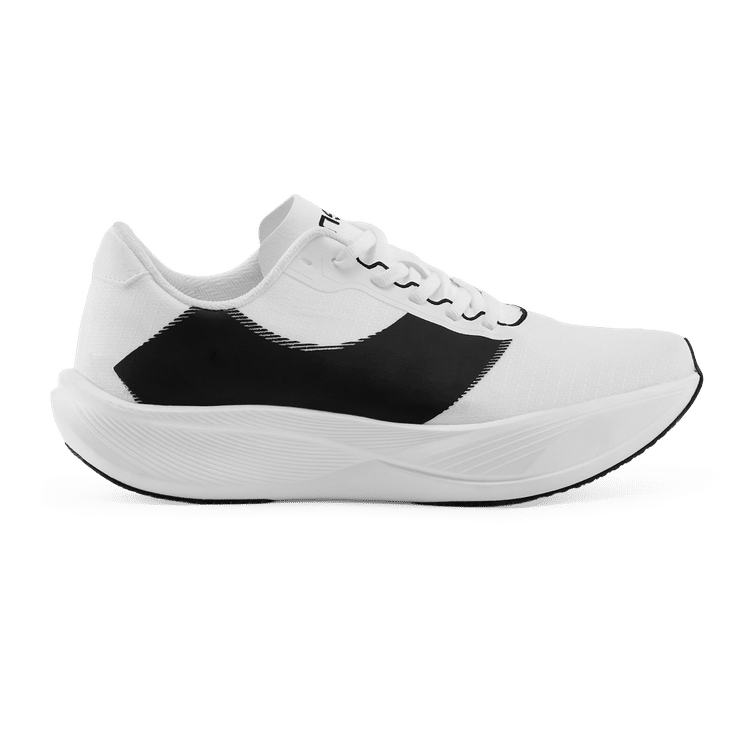
Sports shoes are performance shoes built for a specific activity. Each type is shaped around the movement it supports, which is why a running shoe feels different from a court shoe.
There are three common sports shoe types:
- Running shoes: cushioned midsoles and a smooth heel-to-toe roll for forward motion.
- Training shoes: flatter, wider bases for lifting and side-to-side moves.
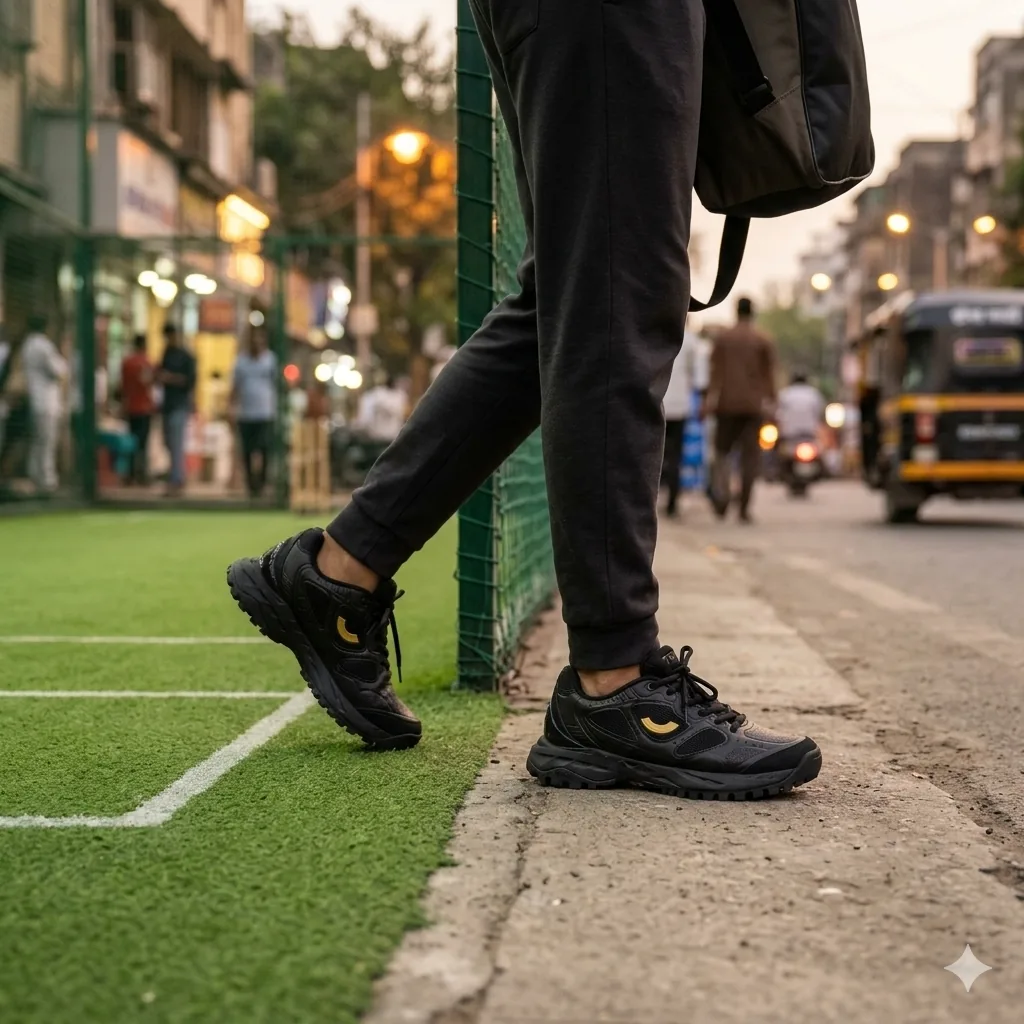
- Court and field shoes: grippy, often non-marking soles with lateral support for quick turns.
Sports shoes usually use a rubber outsole, a foam midsole and a breathable mesh or knit upper. Our guide to running shoes vs training shoes explains how those two differ.
Step 3: Compare Them on Sole and Grip
The sole is where sneakers and sports shoes differ most. It decides how much impact you absorb and how well you grip the ground.
A simple split:
- Sneakers: flat rubber cupsoles that feel firm and last long on pavements. Fine for walking, poor for running.
- Sports shoes: layered soles with foam for cushioning and rubber tread designed for the sport’s surface.
If your knees or shins ache after a jog, a flat sneaker sole is often why. For anything faster than a walk, pick a shoe with a proper cushioned midsole. Our guide to shoe sole types explains each layer.
Step 4: Compare Them on Support
Support is how well the shoe holds your foot steady when you move. It matters most in sports with turns, jumps and sudden stops.
Watch for these differences:
- Heel counter: sports shoes usually have a firmer heel cup that stops the foot sliding.
- Lateral support: court and training shoes have reinforced sides for side-to-side moves.
- Arch support: performance shoes often add a shaped insole, while many sneakers use a flat footbed.
A sneaker can feel comfortable standing still and still let your foot roll during a quick turn. If you play or train, choose the shoe built to hold you in place.
Step 5: Compare Them on Weight and Breathability
Weight is how heavy the shoe feels on your foot, and breathability is how well air moves through the upper. Both decide how tired and sweaty your feet feel by the end of a session.
Follow these checks:
- Lift the shoe. Running shoes are usually lighter than leather or chunky sneakers.
- Look at the upper. Mesh and knit breathe better than leather and thick synthetics.
- Think about heat. In Indian summers, a breathable upper keeps feet drier and cooler.
Sneakers trade breathability for a clean, structured look. Sports shoes trade some of that look for airflow and lighter weight, which is what you want when you sweat.
Step 6: Match the Shoe to Your Day
Your daily routine decides which pair works best. Many people need one shoe that covers a game, a commute and an evening out without changing.
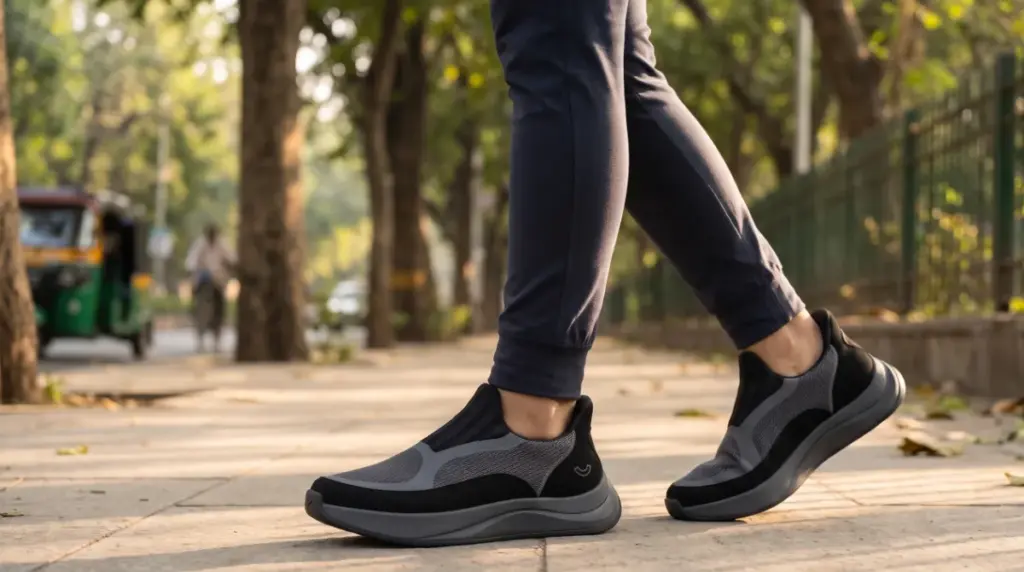
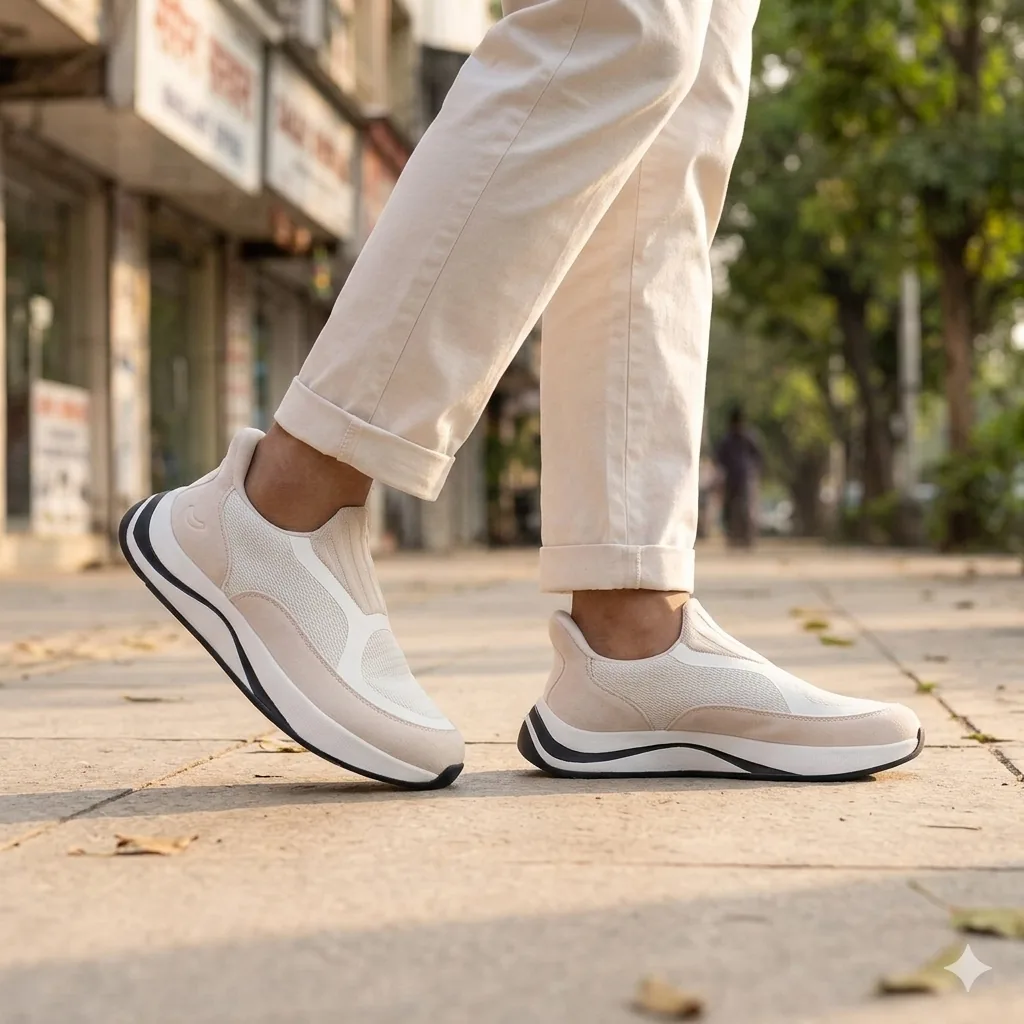
The Switch OG is built for this mixed day. The Switch OG Multi-Sport Sneaker is made for sport and switches to lifestyle, from indoor turf to casual hardcourt tennis and easy street walks. A retro-inspired sneaker silhouette keeps it wearable off the field.
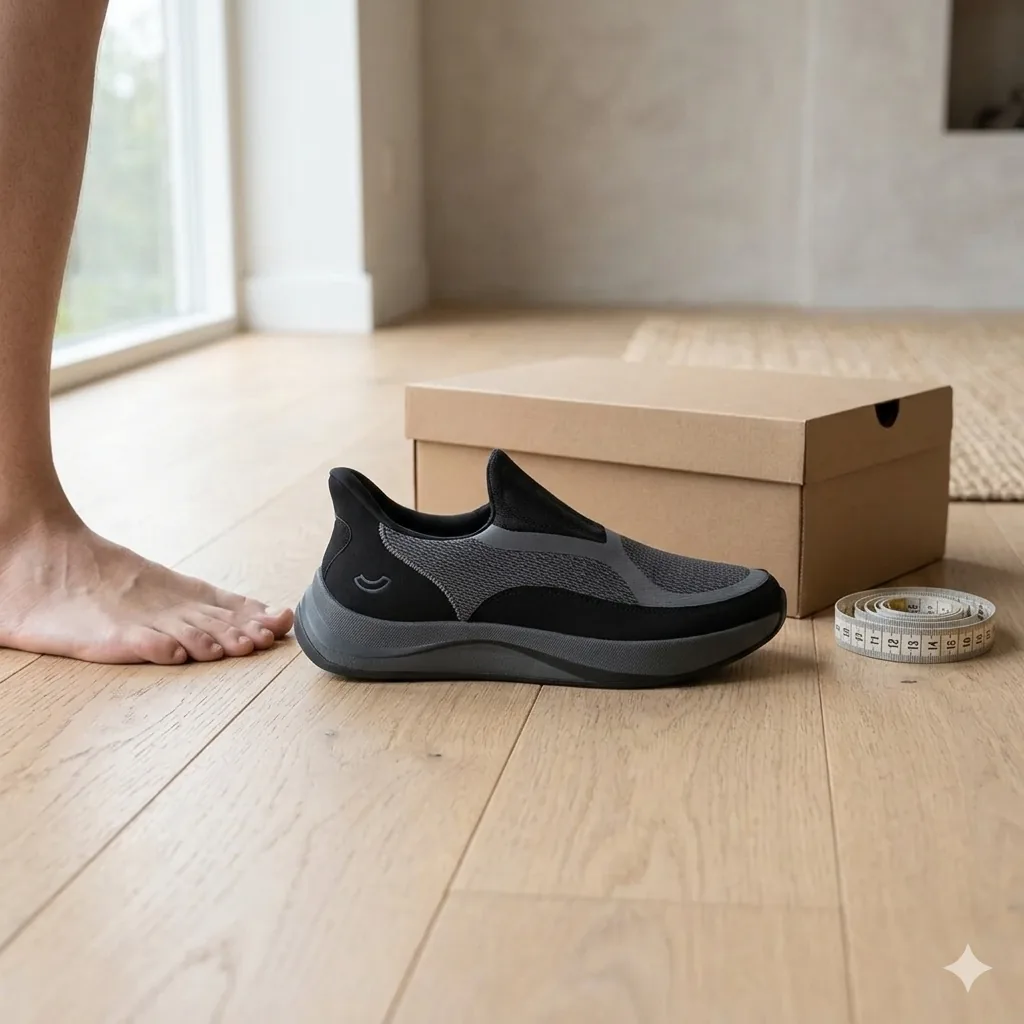
Indian feet are often wider across the forefoot than standard sizing allows, so check the toe box in both types. Our guide to why wide toe box shoes matter for Indian feet explains how width affects comfort.
Step 7: Know When One Shoe Is Enough
One pair can cover a lot, but not everything. Knowing when to add a second pair saves you from wearing out the wrong shoe or getting hurt.
Follow the three-shoe rule:
- Keep one everyday sneaker for work, travel and casual outings.
- Keep one sports shoe for the activity you do most, such as running or training.
- Keep one comfortable walking or recovery shoe for long days on your feet.
If you only play casually and walk most days, a multi-sport shoe can replace the first two. If you run more than a few times a week, a dedicated running shoe is worth having.
Sports Shoes for Training



Sneakers vs Sports Shoes vs Multi-Sport: Quick Comparison
A short reference to match your day to the right pair.
| Type | Best For | Key Feature |
|---|---|---|
| Sneakers | Everyday wear, travel and short walks | Flat, durable sole and a clean look |
| Sports shoes | Running, training and court sports | Cushioning, grip and support for one activity |
| Multi-sport shoes | Casual play plus daily wear | Sporty grip with a lifestyle look |
The key point is to match the shoe to what you will do in it, not to how sporty it looks. Compare sole, support, weight and breathability, then pick the pair that fits your day.
Wear the Right Pair Every Day
The right shoe makes every part of your day easier on your feet. A little planning means fewer aches and pairs that last longer.
Ready to feel the difference for yourself? Check our multi-sport shoes and find a pair that moves from the game to the street. Never Stop Playing. Start here.
Frequently Asked Questions
What is the difference between sneakers and sports shoes?
The main difference is purpose. Sneakers are casual shoes built for everyday comfort and style, while sports shoes are built for a specific activity with cushioning, grip and support. Sneakers suit daily wear and short walks, and sports shoes suit running, training and court play.
Can I wear sneakers to the gym?
You can wear sneakers for light gym work such as machines and stretching. For running, jumping or heavy lifting, a training or running shoe is better. Sneakers usually lack the cushioning and side support those movements need, which raises the risk of sore feet and rolled ankles.
Can I run in sneakers?
You can jog short distances in sneakers, but they are not built for regular running. Most sneakers have flat, firm soles with little cushioning. Running in them often leads to sore knees and shins, so pick a proper running shoe if you run more than once a week.
Are sports shoes good for everyday wear?
Yes, many sports shoes are comfortable for everyday wear, especially running and walking shoes with cushioned midsoles. They may look sportier than you want for work. Multi-sport shoes bridge the gap with sporty grip and a cleaner, sneaker-style look.
What is the three-shoe rule?
The three-shoe rule means owning one everyday sneaker, one sports shoe for your main activity and one walking or recovery shoe. Each pair does one job well and wears out more slowly because it is not used for everything. Casual players can combine the first two in a multi-sport shoe.
Are running shoes and sports shoes the same?
Running shoes are one type of sports shoe. Sports shoes also include training shoes, court shoes and field shoes, each built for different movements. A running shoe is made for forward motion and cushioning, while a court or training shoe adds more side support.