
Your runs feel heavier than they should. Your knees ache on routes that used to feel easy. And you can’t remember when you bought those shoes.
Here’s the thing most runners overlook. Running shoes don’t announce when they’re done. The outsole might still look fine, while the midsole foam has already compressed and lost its ability to absorb shock. And once that cushioning goes flat, every stride sends more force into your ankles, knees, and hips than your body should handle.
Knowing when to replace shoes saves you from injuries that feel random but aren’t.
How Long Do Running Shoes Last?
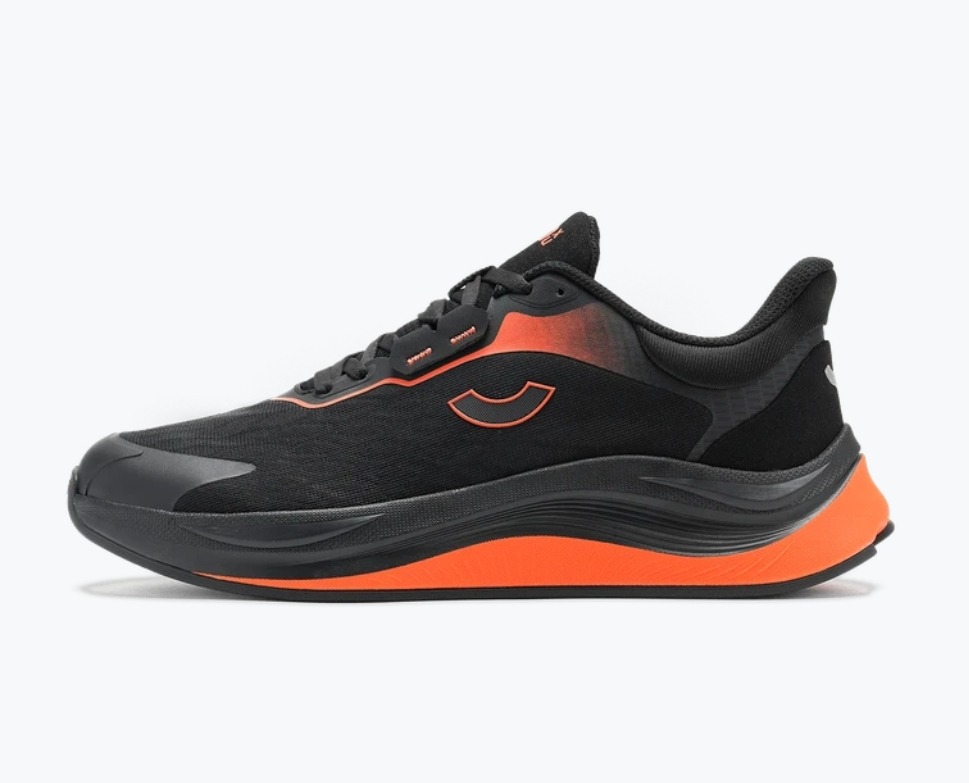
Most running shoes last between 500 and 800 kilometres. But the actual lifespan depends on several factors.
- Lightweight racing shoes wear out closer to 400 km because softer foams compress faster.
- Daily trainers with durable midsole construction typically reach 600 to 800 km.
- Heavier runners compress midsole foam faster, regardless of shoe type.
- Running on rough surfaces accelerates outsole wear.
- Wearing running shoes for errands adds empty kilometres that shorten their running life.
If you run 20 km per week, a pair of running shoes should last roughly six to nine months. If you run 40 km per week, expect it to take closer to three to five months.
6 Signs Your Running Shoes Need Replacing
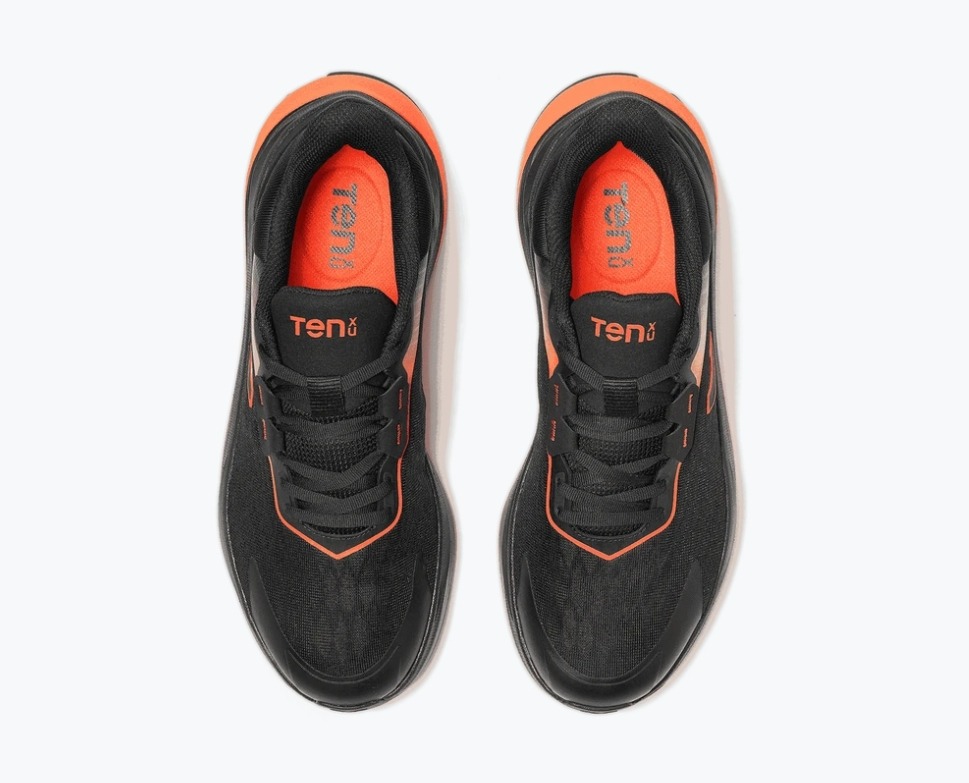
You don’t always need a kilometre tracker to know when shoes are done. Your body and the shoe itself will tell you. Here are six signs to watch for.
1: The Midsole Feels Flat
Press your thumb into the midsole foam. If it compresses easily and rebounds slowly, the cushioning has degraded. The Aeonic Recovery Trainer uses a midsole tuned for long-term impact control, with a Levation PU foam insole that resists compression. But even high-quality foam reaches a limit. When the bounce disappears, the protection disappears with it.
2: The Outsole Tread Is Worn Smooth
Flip your shoes over. If the tread has worn flat, especially under the heel or forefoot, you’re losing grip. A 3.5mm rubber outsole compounded for Indian roads handles abrasive surfaces well. But once that rubber wears through, no amount of midsole cushioning compensates for lost traction.
3: New Aches or Pains After Runs
Unexpected soreness in your knees, ankles, hips, or lower back on routes you’ve run comfortably before often points to declining shoe support. As midsole cushioning breaks down, your joints absorb more impact. Your body compensates by adjusting your gait, creating strain in places that previously felt fine.
Gear Up For Your Next Run


4: The Heel Counter Has Collapsed
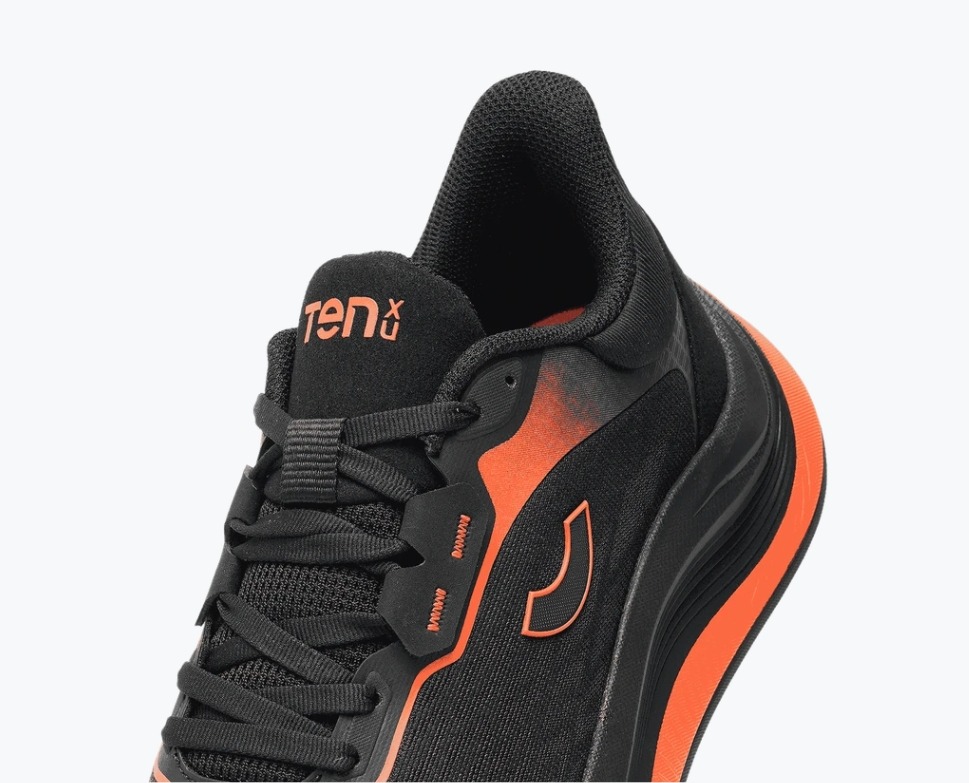
The heel counter is the stiff structure at the back of the shoe that holds your heel in place. Squeeze the back of your shoe. If it feels soft, floppy, or tilts to one side on a flat surface, the internal structure has broken down. A weak heel counter leads to internal foot sliding, friction, and blisters.
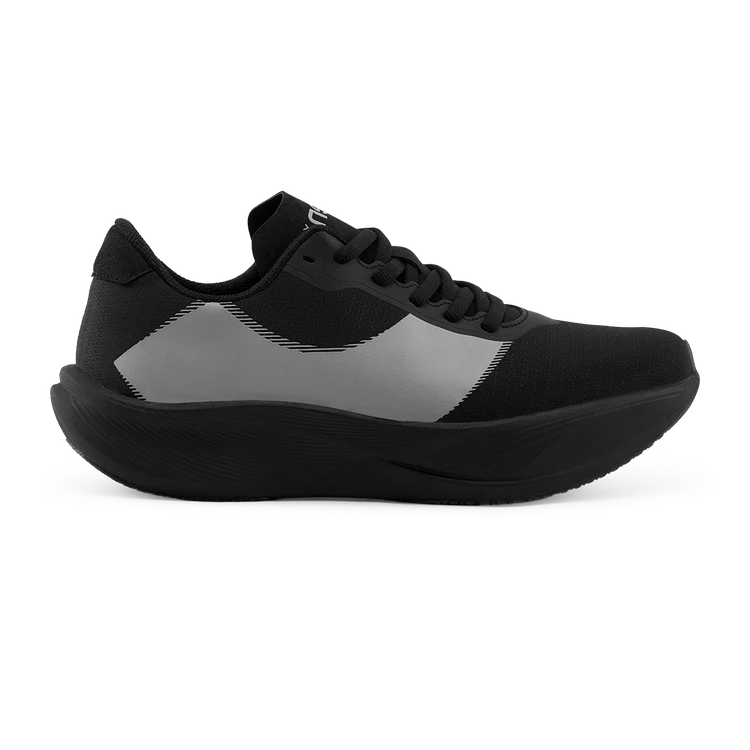
The Crossover Slip On uses a TPU heel cup for rigid heel lockdown. The Switch OG 2.0 pairs a 70mm collar height with inbuilt arch support. When these structures eventually soften after months of use, that’s your signal.
5: Visible Creases in the Midsole
Deep horizontal creases along the midsole sidewall mean the foam has been repeatedly compressed and no longer bounces back. Creasing is one of the earliest visual signs that cushioning has degraded, often appearing before the outsole shows significant wear.
6: Your Toe Box Feels Tighter
Your foot hasn’t grown. But as shoes break down, the upper stretches in some areas and compresses in others. If your toes feel more cramped than they used to, or the wide toe-box no longer gives your forefoot the same room to spread, the shoe’s structure has shifted.
How to Make Your Running Shoes Last Longer
You can’t stop wearing it entirely, but you can slow it down.
- Rotate two pairs. Alternating shoes gives the midsole foam time to decompress between runs. Rotation also lets you match the shoe to the activity: a walking shoe for easy days and a running shoe for sessions.
- Wear running shoes only for running. Every casual kilometre counts against the midsole’s lifespan.
- Untie your laces before removing shoes. Raking shoes off with your other foot crushes the heel counter.
- Clean debris from the outsole after each run. Stones trapped in the tread accelerate rubber wear.
- Air dry your shoes after wet runs. Heat damages foam, so skip the dryer and stuff them with newspaper.
When in Doubt, Do the Thumb Test
Place your shoe on a flat surface. Does it tilt to one side? Press the midsole. Does it feel flat? Compare the shoe to a photo from when you bought it. If the difference is obvious, your shoe is telling you something.
Your next pair doesn’t need to be expensive. Your next pair needs to be fresh. Life never stops, and play shouldn’t either. Never Stop Playing.
Lace up and find out. Check our products and start your next pair right.
Frequently Asked Questions
Gear Up For Your Next Run
I enjoy, lead to I discovered just what I used to be having a look for.
You have ended my four day lengthy hunt! God Bless you man. Have a nice day.
Bye