You own three pairs of shoes, and somehow none of them feel right for what you’re doing today. Does that sound familiar? Most people grab whatever’s closest to the door, a sneaker for a morning jog or a running shoe for a grocery run. And then they wonder why their feet hurt by evening.
The confusion between sneakers and sports shoes is real. Both look similar. Both feel comfortable at first glance. But the difference between sneakers and sports shoes comes down to one thing: What you’re asking your feet to do.
What Are Sneakers and What Are Sports Shoes?
Before picking a side, you need to know what each shoe actually does.
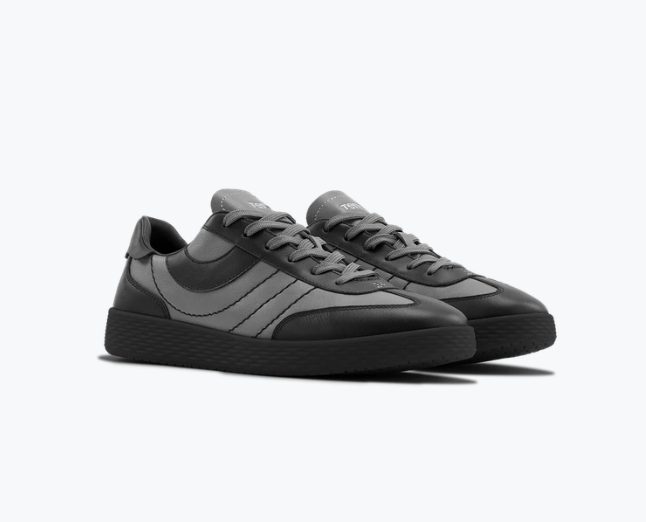
A sneaker is lifestyle footwear. You wear sneakers for daily movement, casual outings, commutes, and coffee runs. Sneakers prioritize comfort and style for low-impact, all-day wear, with a flat or lightly cushioned sole and flexible construction.
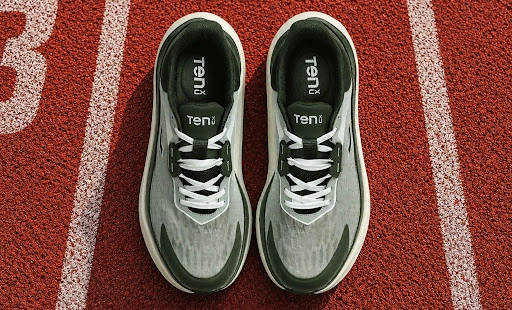
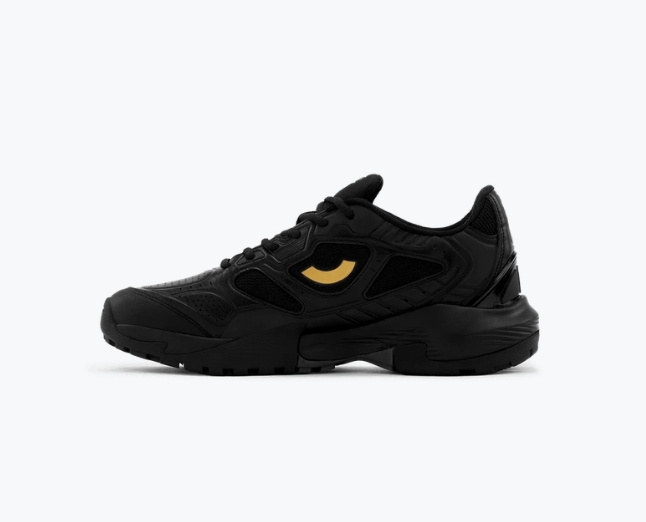
A sports shoe is performance footwear. Running shoes, training shoes, and cricket shoes all fall under this category. Sports shoes are engineered for specific physical activities, with advanced cushioning, arch support, shock absorption, and structured soles that guide your foot through high-impact movement.
In summary, sneakers handle your day. Sports shoes handle your session.
Which Is Better, Sports Shoes or Sneakers?
Neither is “better” across the board. The right shoe depends entirely on what you’re doing.
For everyday wear, sneakers win. Sneakers are lighter, more flexible, and designed for mixed movement, walking, standing, sitting, and moving between surfaces. A good pair of multi-sport sneakers can carry you from morning to night without foot fatigue.
For running, training, or playing a sport, sports shoes win. The cushioning, heel support, and grip patterns in sports shoes protect your body during repetitive impact.
Here’s a simple comparison:
| Feature | Sneakers | Sports Shoes |
| Purpose | Daily wear, casual use | Running, training, sports |
| Cushioning | Light to moderate | Advanced, impact-focused |
| Sole design | Flat, flexible | Textured, activity-specific |
| Arch support | Basic | Structured |
| Best for | Commutes, errands, travel | Gym, running, field sports |
| Durability under impact | Moderate | Built for high-impact stress |
The key point is: pick the shoe that matches the intensity of your activity, not the one that looks better on a shelf.
Gear Up For Your Next Run


Can I Wear Sneakers for Sports?
You can, but that doesn’t mean you should.
Lifestyle sneakers lack the cushioning, arch support, and ankle stability needed for repeated high-impact movement. Wearing them for running or cricket puts unnecessary strain on your joints over time.
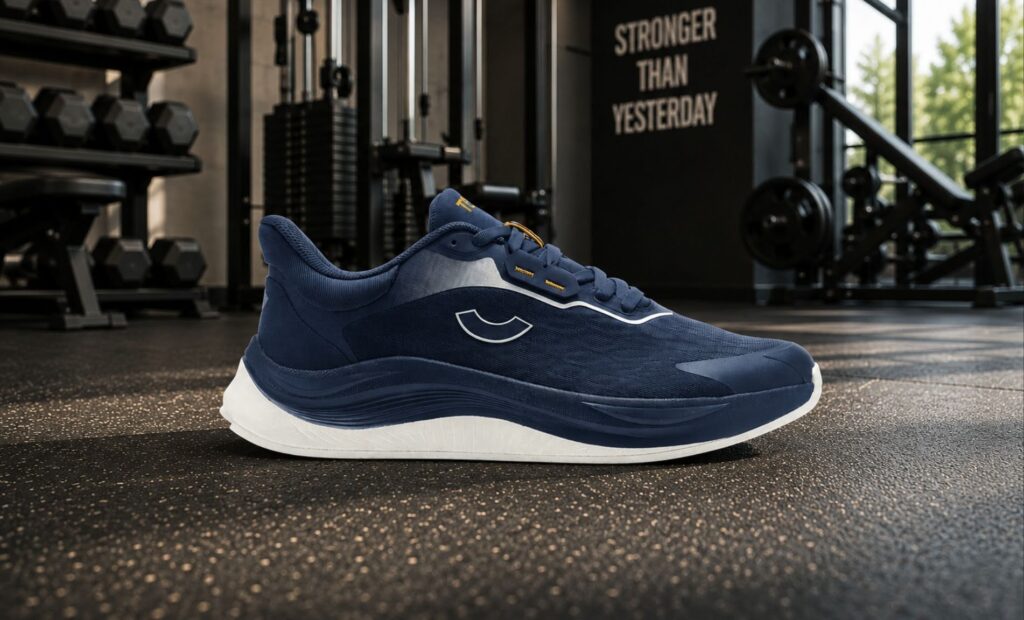
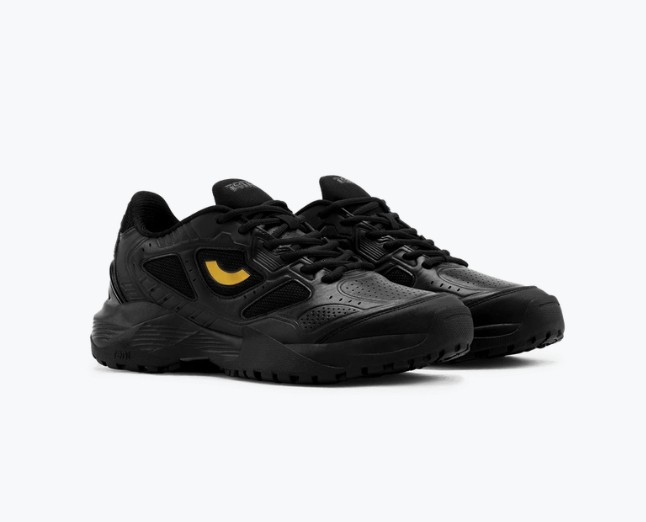
That said, not every sneaker is purely lifestyle. Some sneakers, like the Switch OG multi-sport sneaker, are engineered with all-surface grip and ankle stability for versatility across surfaces. A sneaker like that handles a gym session, a quick game, or a weekend hike.
The rule of thumb: if the activity involves jumping, sprinting, or sustained running, reach for a dedicated sports shoe. For light training, a well-built multi-sport sneaker works fine.
What Is the 3 Shoe Rule?
The 3 shoe rule is a simple framework for building a functional footwear rotation. Instead of owning 10 pairs that half-work, you own three that fully work.
Shoe 1: An Everyday Sneaker
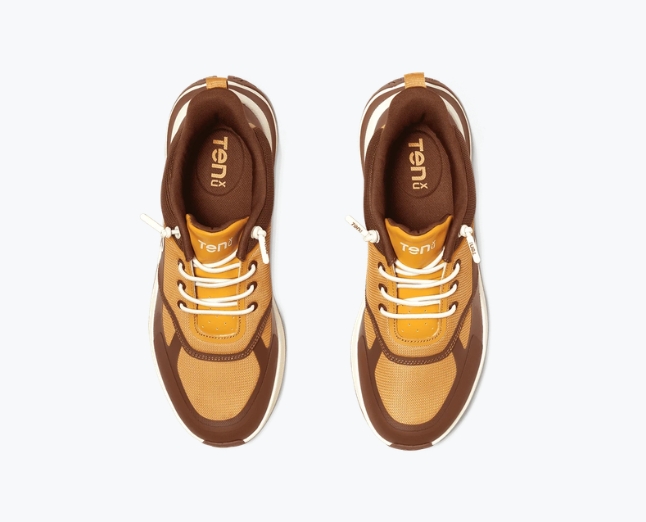
For daily wear, commutes, and casual outings. A pair like the Crossover Slip On Sneaker handles all-day movement with bungee-lacing convenience and a wide toe-box made for Indian feet.
Shoe 2: A Performance Sports Shoe
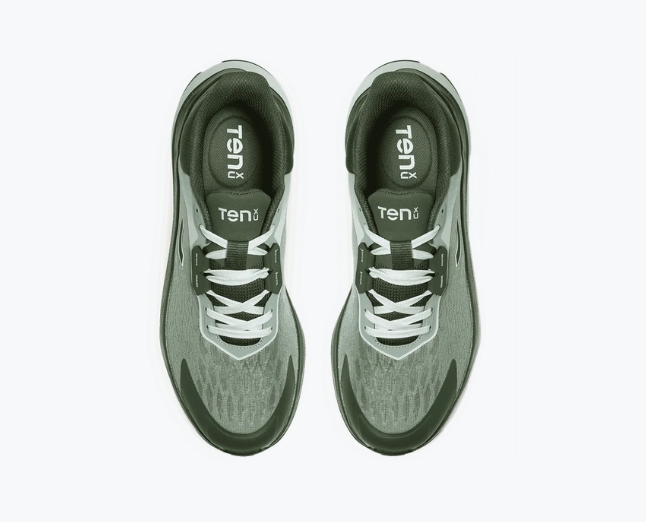
For running, training, or playing your sport. The Aeonic Running Shoe is built for long-distance durability, with cushioning that protects your joints through repetitive strides.
Shoe 3: A Walking or Recovery Shoe
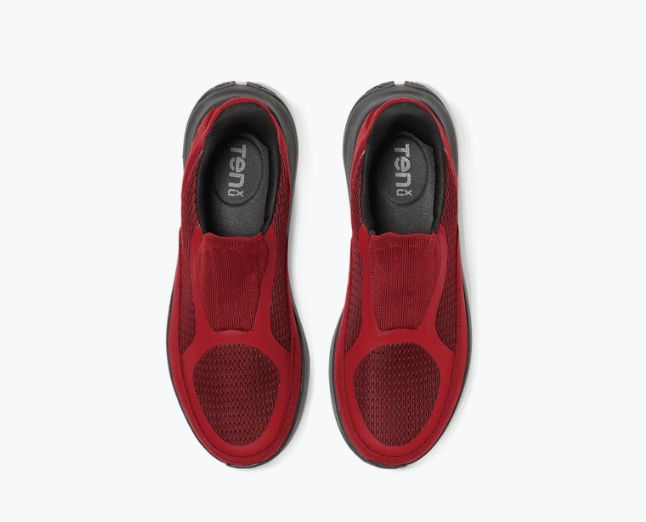
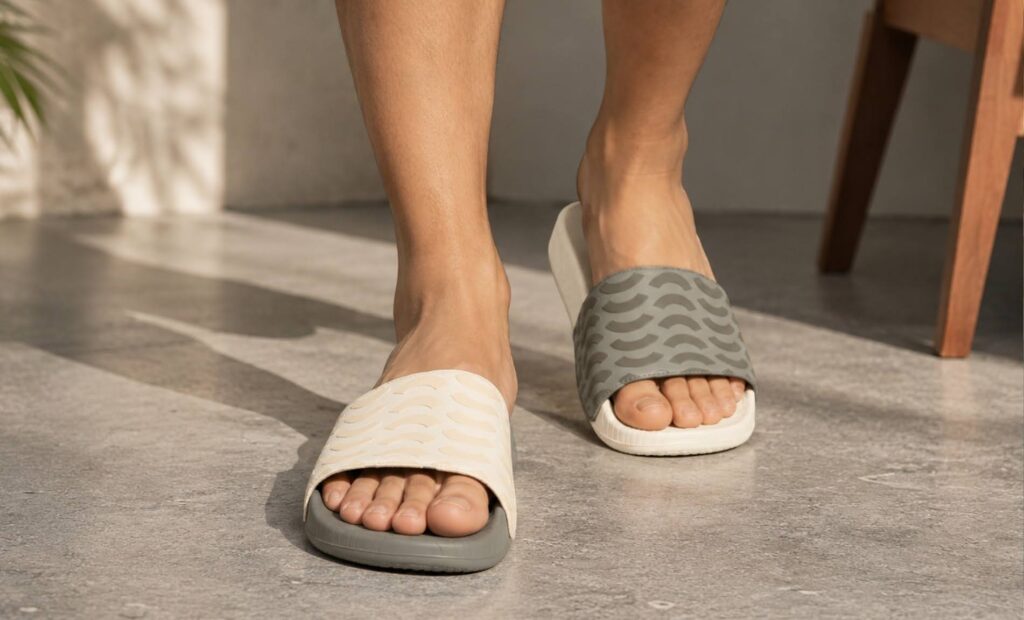
For long walks, rest days, or when your feet need a break. A comfort-first option like the Zenflo Walking Shoe gives your feet room to breathe and recover.
With these three, you cover 90% of what your week throws at you.
Can Walking Shoes Help with Foot Pain?
Yes, and the reason is simpler than you’d think.
Most foot pain from daily movement comes from two sources: poor arch support and a narrow toe box. When your toes get squeezed together for hours, you end up with blisters, bunion pressure, and general soreness by evening.
Walking shoes with a wide toe-box let your toes spread naturally as you walk. Add proper arch support and a cushioned midsole, and you’re reducing the impact that travels up through your knees and lower back with every step.
According to IMARC Group, the Indian footwear market reached USD 20.67 billion in 2025, growing at 9.7% CAGR. A big part of that growth comes from consumers actively choosing footwear designed for specific activities.
Foot pain isn’t something you just live with. The right walking shoe, built for how Indian feet actually move across Indian surfaces, makes a meaningful difference.
How to Pick the Right Shoe for Your Day
Matching shoes to activities doesn’t need to be complicated. Ask yourself these questions.
- What’s the primary activity? Walking and commuting mean sneakers. Running and gym sessions mean sports shoes.
- How long are you on your feet? For four hours or more, prioritize cushioning and a wide toe-box.
- What surface are you on? Smooth floors suit flat sneaker soles. Uneven terrain demands a textured, activity-specific grip.
- Do you have foot issues? If you deal with plantar discomfort or flat feet, arch support and ankle stability become non-negotiable.Choosing the right shoe for your foot shape matters more than any brand.
Your Feet Carry You Everywhere. Return the Favour.
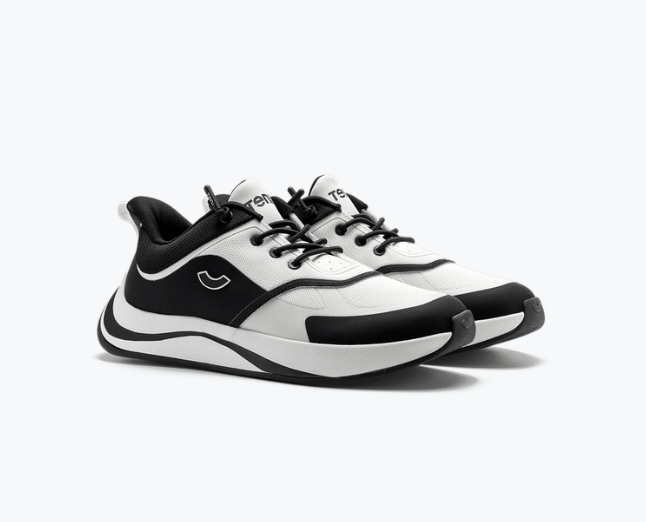
Every step you take asks something of your shoes. And the shoes you choose decide whether your feet feel great or whether they’re begging for a break.
Stop settling for “good enough.” Whether you’re lacing up for a morning jog, a full day at college, or a weekend gully cricket session with friends, the right shoe makes every moment feel lighter. Life never stops. Play shouldn’t either. Never Stop Playing.
Ready to feel the difference for yourself? Check our products and find the pair that fits your day, your game, and your feet.
Frequently Asked Questions
Gear Up For Your Next Run