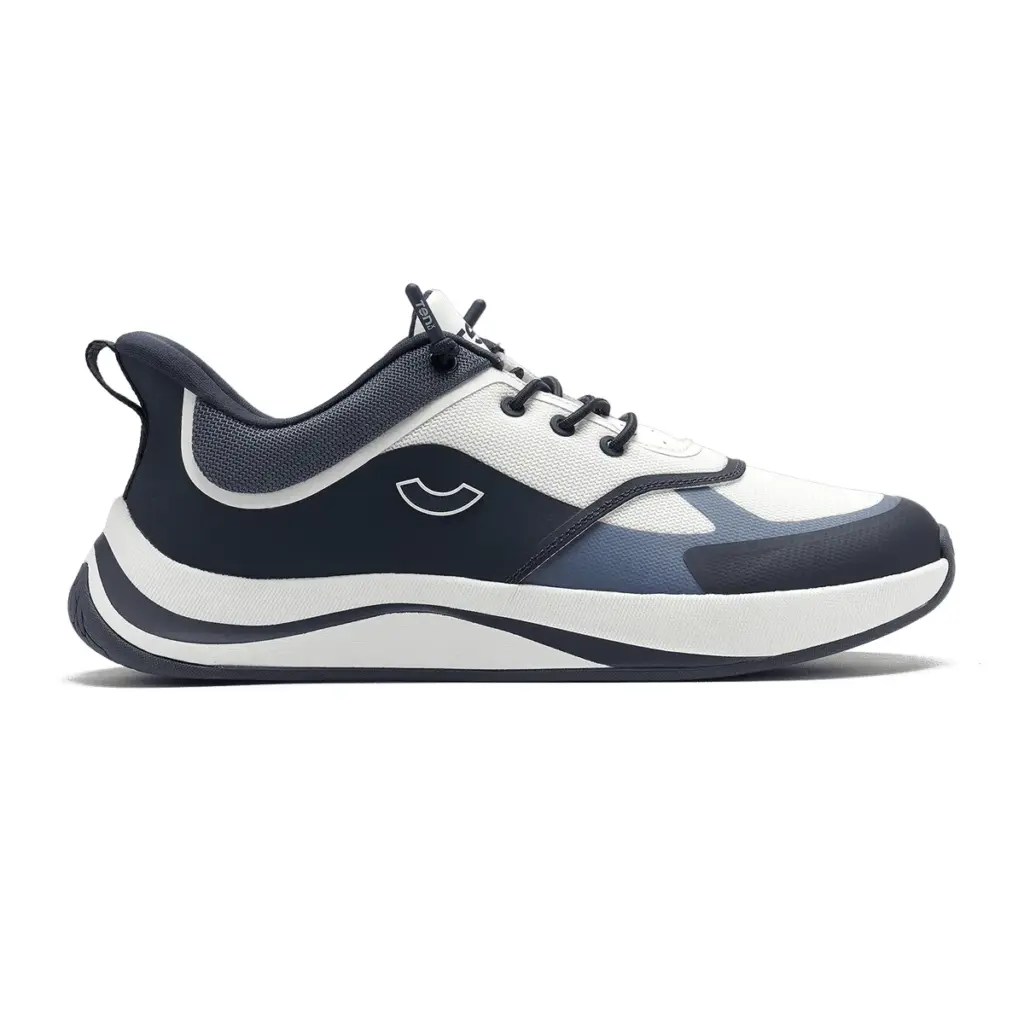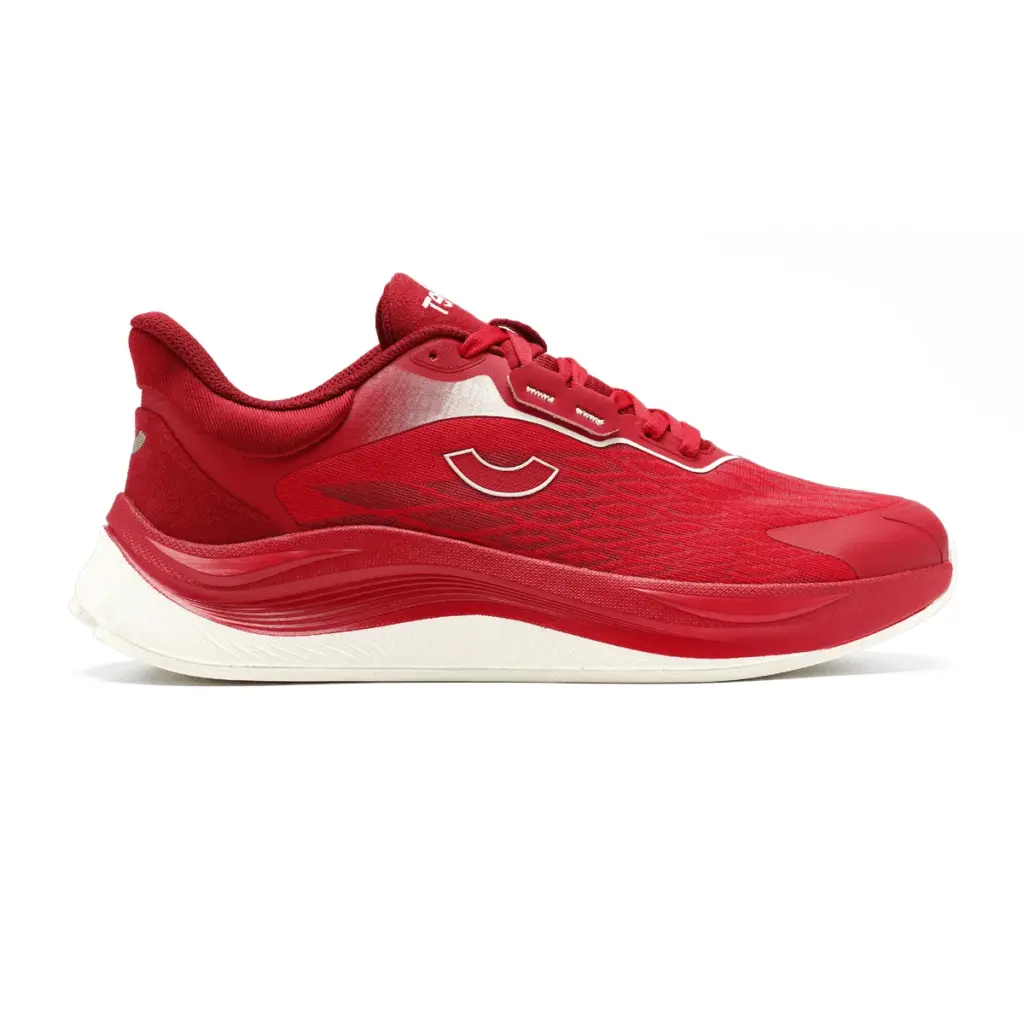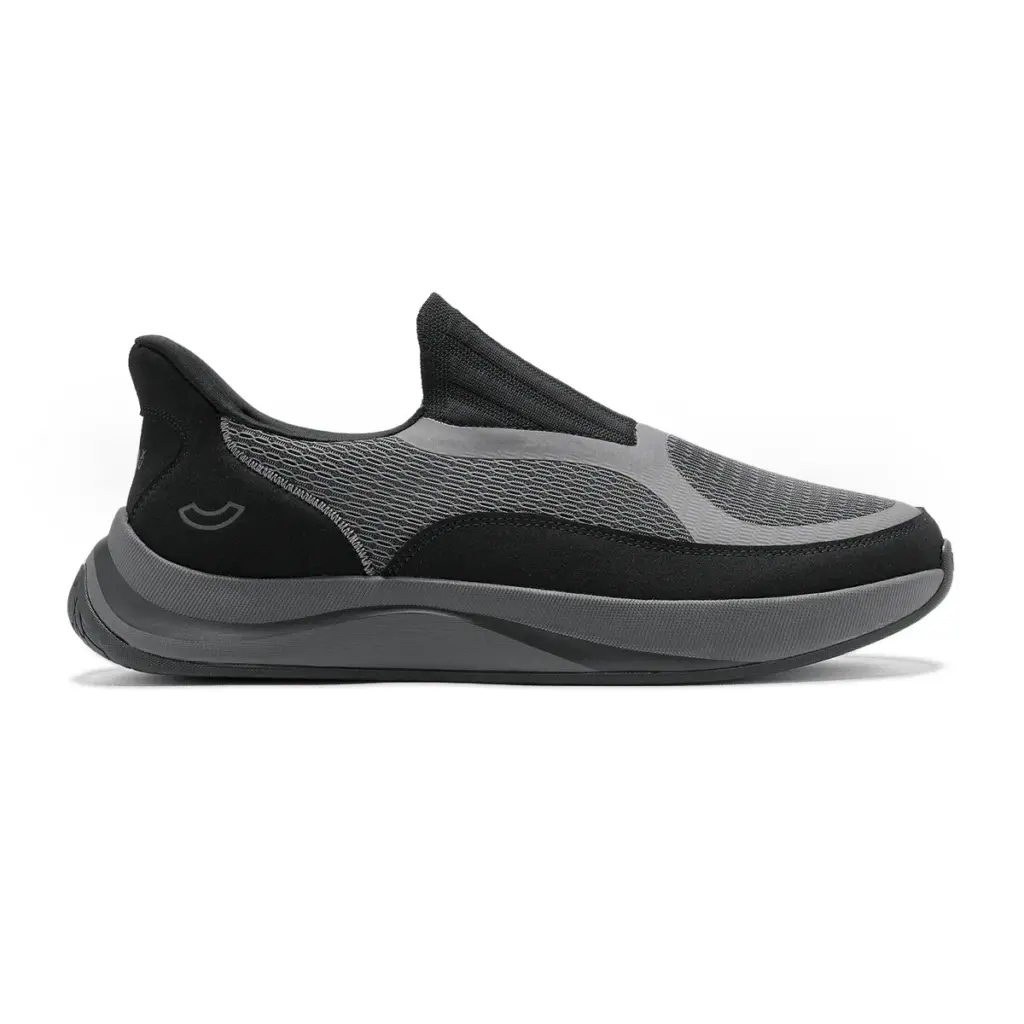
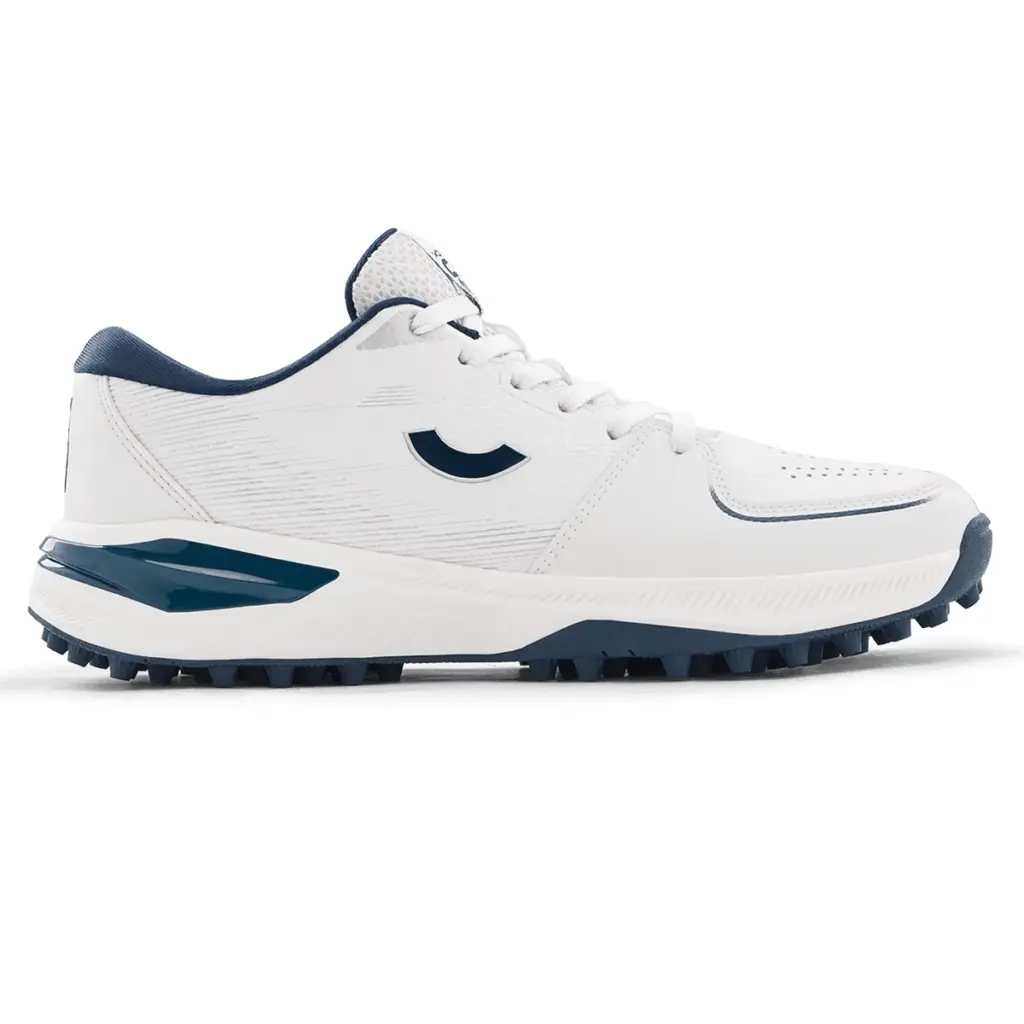
Good rubber-stud cricket shoes for tennis-ball, nets and academy cricket cost about ₹2,500 to ₹3,500 in India. Shoes with straps, stiffer soles and more ankle support for regular bowlers cost a little more. Professional spike shoes for turf start around ₹6,000 and go well above ₹10,000.
Cricket shoes look similar on a shelf, yet prices range from a few hundred rupees to over ₹10,000. Understanding cricket shoes price is where most buyers get stuck. Spend too little and the studs wear flat in a season. Spend too much and you pay for features your pitch never uses.
The good news is that picking a budget follows a simple sequence. Decide on your surface, decide on your level, know what each price band buys, check the fit and count the cost per season. Each step below builds on the last, so every rupee goes on features you will use.
Step 1: Decide on Your Surface
The surface is the ground you play on most. It is the first decision because it decides whether you need rubber studs, which cost less, or spikes, which cost more.
A simple split:
- Tennis-ball, gully and matting cricket: rubber studs. No need to pay for spikes.
- Nets and academy sessions: rubber studs on hard or artificial surfaces.
- Club and league matches on turf: spikes or half-spikes for grip on grass.
Most club and academy cricket in India is played on hard ground or matting, so most players never need a spike shoe. Our guide to cricket shoes for turf explains how to match the sole to the pitch.
Step 2: Decide on Your Level
Your level is how often and how seriously you play. It matters because a weekend player and a daily academy player wear out shoes at very different speeds.
There are three common levels:
- Casual: a few games a month. Comfort and basic grip matter most.
- Regular: academy, nets or league several times a week. Durability and support matter.
- Serious: competitive turf cricket. Spikes, stiffness and protection matter.
Buy for the level you play at now, not the one you hope to reach next year. Casual and regular players on hard ground will find most options in our cricket shoes under ₹3,000.
Step 3: Know What Under ₹3,000 Buys
This is the entry band for rubber-stud cricket shoes. Good shoes here cover tennis-ball cricket, nets and academy sessions on hard ground.
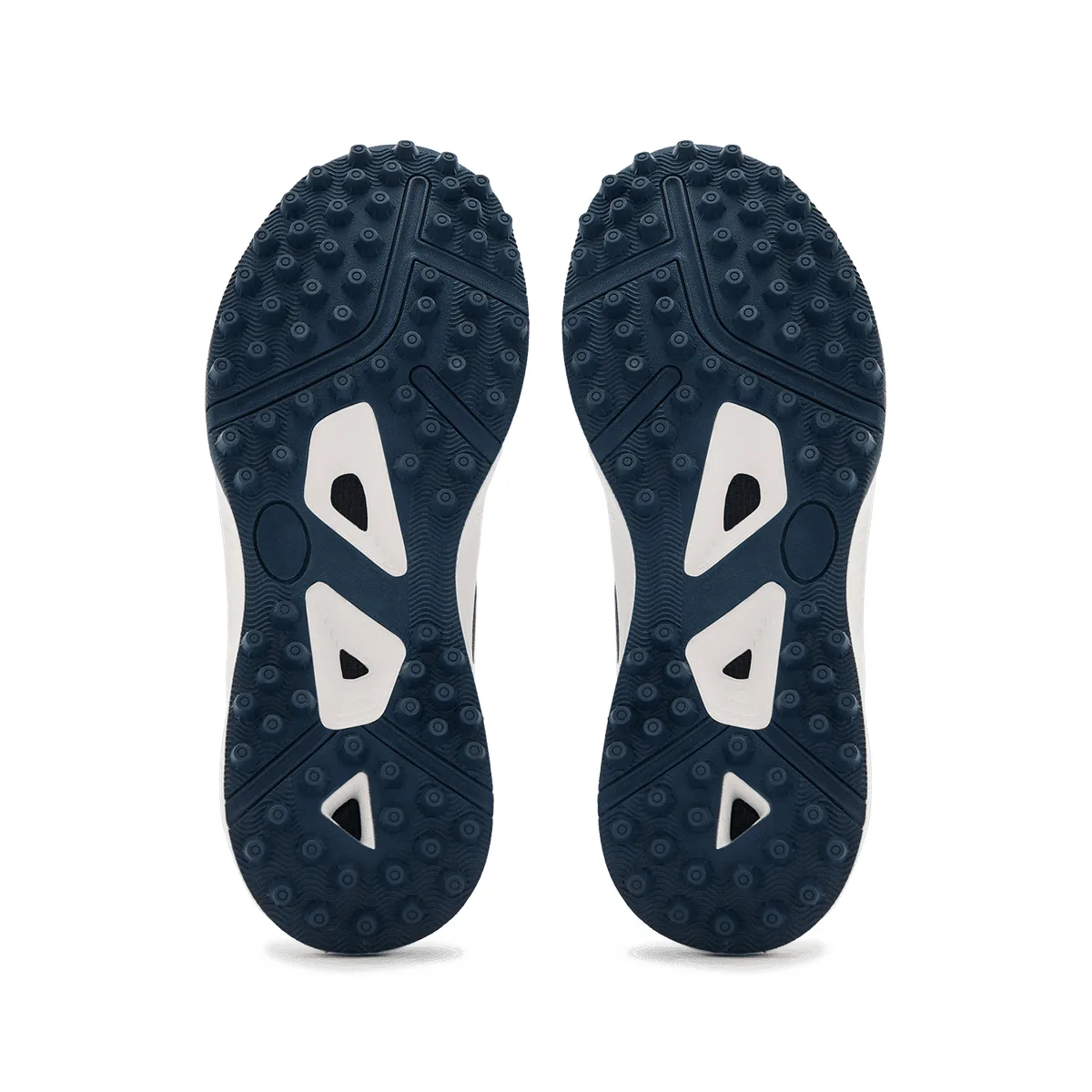
The Criclite is built for this entry band. The Criclite Lightweight Cricket Shoe weighs just 300 g, for lighter steps between the wickets and in the field. Pronounced rubber studs give confident traction, and a cushioned base stays comfortable through long spells.
Expect light weight, rubber studs and basic cushioning in this band. Do not expect spikes or heavy ankle support.
Step 4: Know What ₹3,000 to ₹6,000 Buys
This is the band for regular players who bat, bowl and train several times a week. The extra money usually goes into support and durability.
Expect these upgrades:
- Straps or higher collars that lock the foot in during the bowling stride.
- Stiffer soles or plates that resist twisting on hard landings.
- Tougher uppers and toe areas that survive drag from the delivery stride.
For most regular bowlers and all-rounders on hard ground, this band is the sweet spot. You get support built for bowling without paying for spikes you do not need.
Step 5: Know What Above ₹6,000 Buys
This is the professional band. Shoes here are usually built for turf, with spikes and technical features for one role, such as batting or fast bowling.
Expect these features:
- Metal spikes or a spike system for grip on grass.
- Specialist soles, plates and lugs for pivoting or landing.
- Extra protection, such as reinforced toe caps against yorkers.
These shoes are worth it for serious turf players. For tennis-ball or matting cricket, the extra cost buys features that do not help on your surface.
Step 6: Check the Fit Before the Price
Fit is how the shoe holds your heel and how much room it leaves your toes. A cheap shoe that fits beats an expensive one that pinches.
Follow these fit rules:
- Try shoes with the socks you play in.
- Leave about a thumb’s width in front of your longest toe.
- The heel should not lift when you jog or bound.
- Your toes should spread without pressing the sides.
Indian feet are often wider across the forefoot than standard sizing allows, so check the toe box at every price. Our guide to why wide toe box shoes matter for Indian feet explains why width matters.
Step 7: Count the Cost per Season
Cost per season is the price divided by how long the shoes last. It is a better way to judge value than the price tag alone.
Watch for these signs of value:
- Studs that stay defined after a season of play.
- Uppers that do not split at the toe or the flex point.
- A midsole that still feels cushioned after months of nets.
A pair that lasts two seasons at ₹3,000 costs less per season than one that lasts half a season at ₹1,200. Cleaning and drying shoes after every game also adds months. Our guide to cleaning and storing cricket shoes covers the basics.
Under ₹3,000 vs ₹3,000 to ₹6,000 vs Above ₹6,000: Quick Comparison
A short reference to match your budget to your game.
| Type | Best For | Key Feature |
|---|---|---|
| Under ₹3,000 | Tennis-ball, nets and academy cricket | Light rubber studs and basic cushioning |
| ₹3,000 to ₹6,000 | Regular bowlers and all-rounders | Straps, stiffer soles and more ankle support |
| Above ₹6,000 | Serious turf cricket | Spikes and specialist features for one role |
The key point is to pay for your surface and level, not for the most expensive pair on the shelf. Decide surface and level first, then check fit and value per season.
Spend Smart, Play More
The right budget buys the features your game needs and nothing it does not. That leaves more for the rest of your kit, and more time on the field.
Ready to feel the difference for yourself? Check our cricket shoes under ₹5,000 and find a pair built for your surface and your budget. Never Stop Playing. Start here.
Frequently Asked Questions
How much do good cricket shoes cost in India?
Good rubber-stud cricket shoes for tennis-ball, nets and academy cricket cost about ₹2,500 to ₹3,500 in India. Shoes with more support for regular bowlers cost a little more. Professional spike shoes for turf usually start around ₹6,000 and can go well above ₹10,000.
Are expensive cricket shoes worth it?
Expensive cricket shoes are worth it if you play regular turf cricket and need spikes and specialist support. For tennis-ball, matting and nets cricket, a mid-priced rubber-stud shoe gives the grip and comfort you need. Pay for your surface and level, not for the price tag.
What are the best cricket shoes under ₹3,000?
The best cricket shoes under ₹3,000 are light rubber-stud shoes with good cushioning and a secure fit. They suit tennis-ball cricket, nets and academy sessions on hard ground. Check stud depth, toe protection and toe-box width before you buy.
Do I need spikes for cricket?
You need spikes only if you play regularly on turf or natural grass. On matting, hard ground and in nets, rubber studs grip better and are safer. Most club and academy cricket in India is played on surfaces where rubber studs are the right choice.
How long do cricket shoes last?
Cricket shoes usually last one to two seasons for regular players, depending on surface, how often you play and how you care for them. Hard ground wears studs faster. Cleaning and drying shoes after each game helps the studs and upper last longer.
Are cheap cricket shoes bad for your feet?
Very cheap cricket shoes often have thin cushioning, shallow studs and narrow toe boxes, which can lead to sore feet and slips. A mid-priced rubber-stud shoe with a good fit is safer for regular play. Fit matters more than price at every budget.