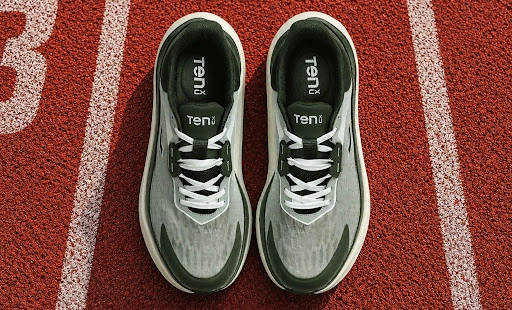
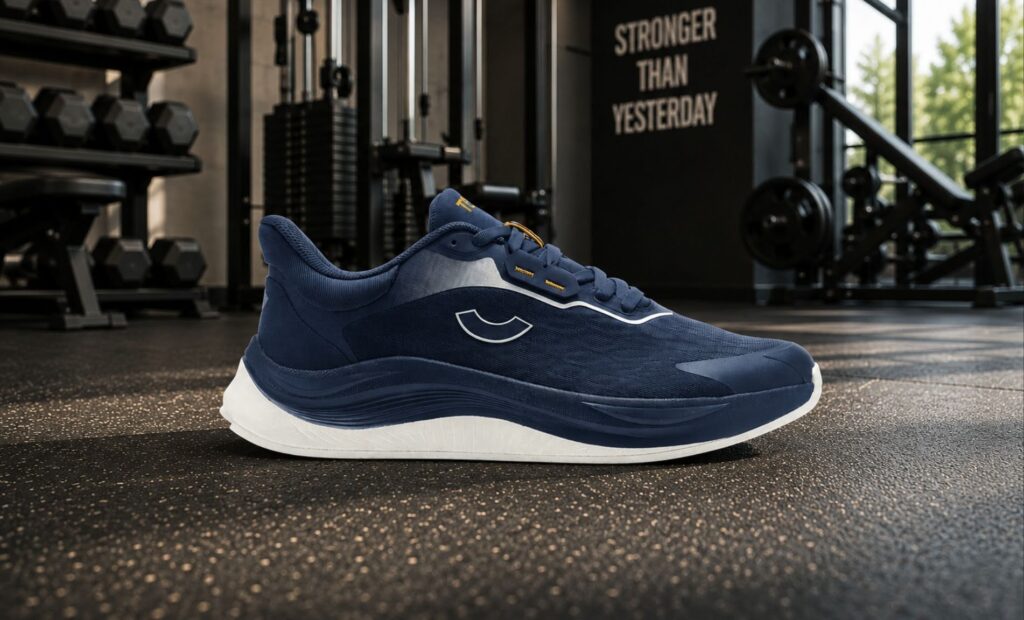
Running shoes and training shoes look similar on the shelf, but they are built for opposite types of movement. One absorbs impact in a straight line; the other holds you steady through side-to-side drills and heavy lifts. Wearing the wrong one for your workout can hold you back or raise your injury risk.
The core split is simple: Running shoes are for forward motion, training shoes are for everything else. The sections below break down the anatomy, the risks, and a clear activity matchmaker so you grab the right pair every time.
Gear Up For Your Next Run


The Movement Split
Running and training put different forces on the body, and the shoe is built around those forces. Understanding the movement type is the fastest way to pick the right shoe.
Running shoes support forward, linear motion. Every stride follows the same heel-to-toe path, so the shoe is built to cushion impact and propel you forward over thousands of repetitions. The build is lightweight, cushioned, and designed for one direction.
Training shoes support multi-directional movement. Gym workouts include lateral shuffles, jumps, pivots, squats, and lifts, all of which load the foot from different angles. A training shoe is flatter, firmer, and wider to keep you stable through quick changes of direction.
How the Shoes Differ: Anatomy Breakdown
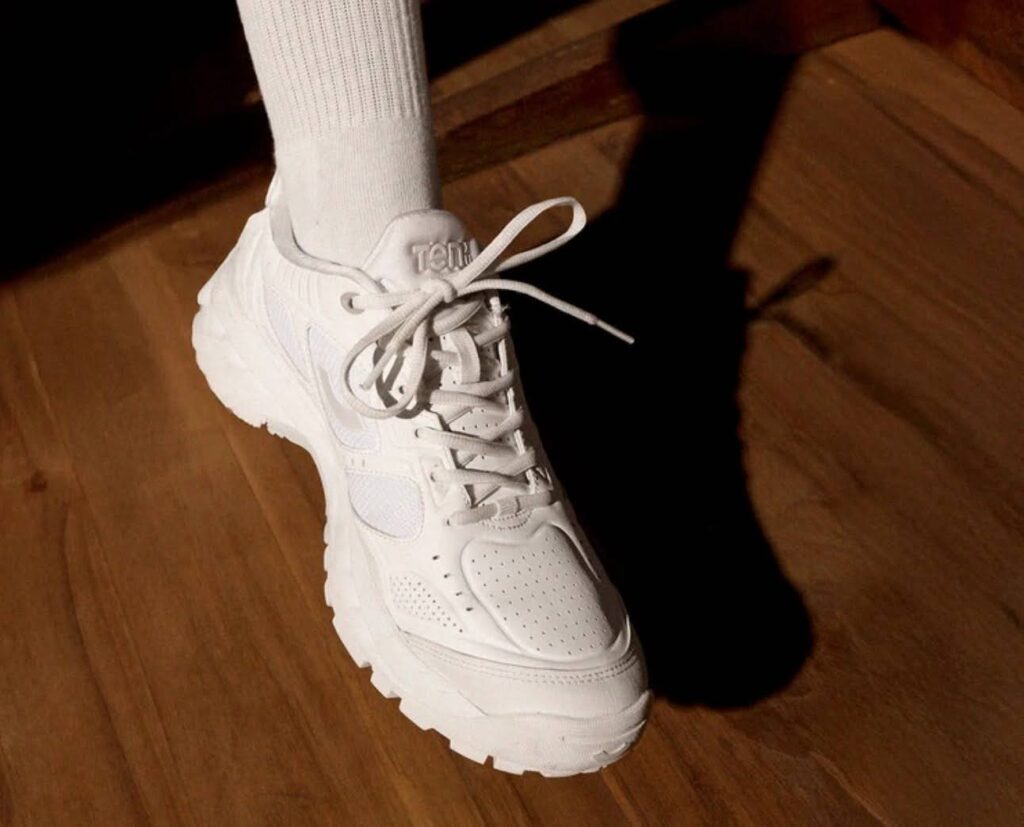
A few key design differences separate the two. Knowing these helps you spot which shoe you are looking at, even without reading the label.
| Feature | Running Shoes | Training Shoes |
| Heel drop | Higher (8-12mm) | Lower (0-8mm) |
| Cushioning | Thick, soft midsole | Firm, minimal midsole |
| Sole width | Narrow, streamlined | Wide, stable platform |
| Flexibility | Flexible toe-off | Flexible forefoot, firm heel |
| Weight | Lightweight | Slightly heavier |
| Best motion | Forward, linear | Multi-directional, lateral |
Heel drop is the height difference between the heel and the forefoot. A higher drop (common in running shoes) helps heel-strikers absorb impact. A lower drop (common in training shoes) keeps you closer to the ground for stability during lifts and lateral work.
What Goes Wrong When You Mismatch
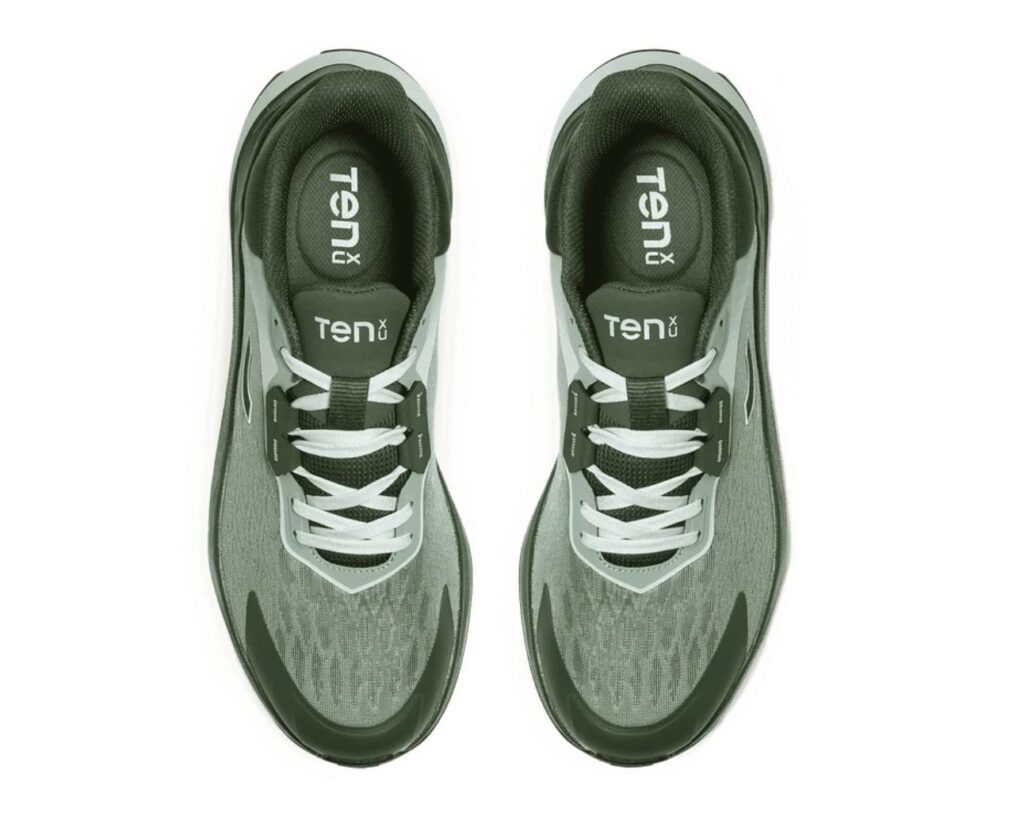
Wearing the wrong shoe for the wrong workout is not just uncomfortable. Over time, the mismatch raises the risk of specific injuries.
Running in training shoes can lead to:
- Plantar fasciitis from insufficient heel and arch cushioning.
- Shin splints from repeated impact on a firm, low-cushion sole.
- Knee stress from a shoe that does not absorb forward-motion shock.
Training in running shoes can lead to:
- Ankle sprains from a high, narrow sole that wobbles during lateral moves.
- Reduced lifting power from a soft, compressible heel under heavy load.
- Poor traction during plyometrics and agility drills.
The key point is that each shoe is engineered for a specific pattern of force. Swapping them works against the design and puts your body at a disadvantage. For a deeper look at how running shoes perform in the gym, the brand’s guide covers where the overlap works and where it breaks down.
Activity Matchmaker: Which Shoe for Which Workout
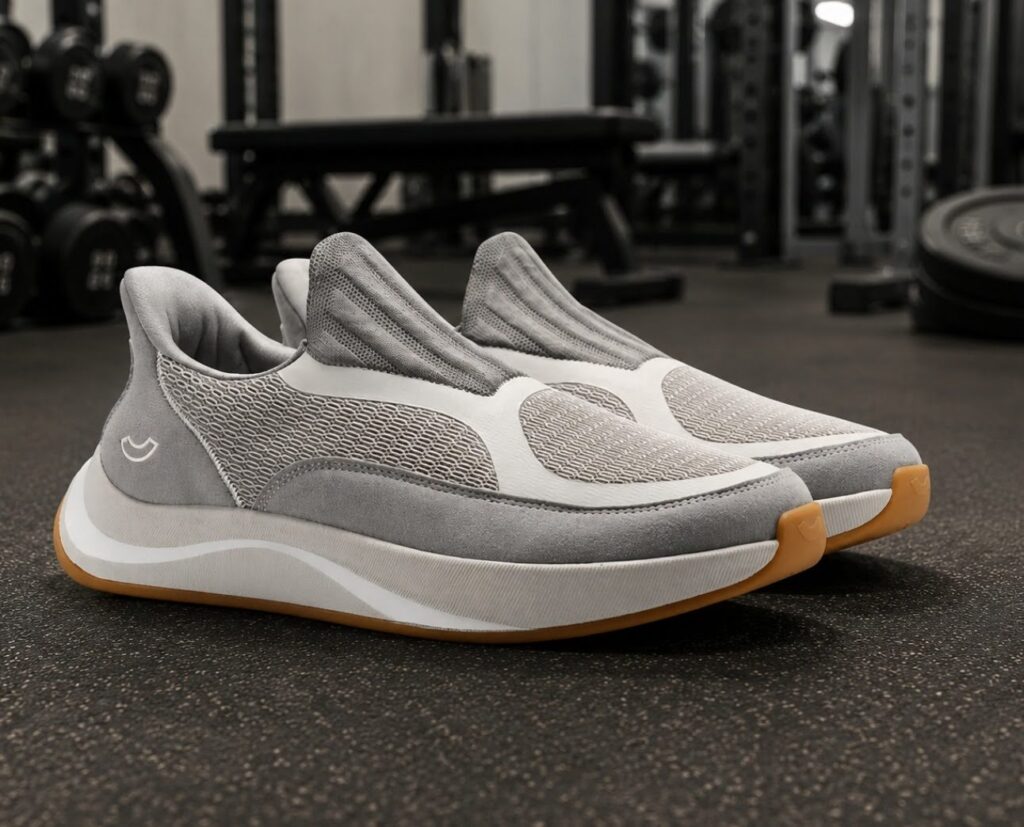
A simple matchmaker removes the guesswork. Match the activity to the shoe, and you stay safe and perform better.
Use running shoes for:
- Road running and trail running.
- Treadmill runs longer than a warm-up mile.
- Long-distance training, tempo runs, and intervals.
- Recovery jogs.
The Aeonic running range uses INSITE Contoura insoles and a Levation PU base for cushioned forward-motion support on daily runs.
Use training shoes for:
- Weight training, squats, and deadlifts.
- HIIT, circuit training, and boot camps.
- Plyometrics and agility drills.
- Court sports and lateral-movement workouts.
The Switch OG 2.0 Multi-Sport range brings a full rubber stud outsole and inbuilt arch support. A 70mm collar adds ankle stability across mixed gym sessions. For gym-to-street flexibility, the Crossover Slip On handles court and casual transitions.
Do You Need Both?
If your week includes both running and gym training, owning one of each is the safest approach. A single shoe cannot optimise for both forward cushioning and lateral stability at the same time.
For runners who occasionally lift, a dedicated running shoe plus a flat, stable trainer covers every session. For gym-goers who occasionally jog, a cross-trainer handles short treadmill warm-ups, but anything beyond a mile should move to a running shoe.
The brand’s gym training sneakers guide covers how to pick a cross-trainer that bridges both worlds.
Move With the Right Support
Your shoes should match your movement, not fight it. Running shoes carry the miles, training shoes carry the reps, and knowing the difference keeps your body safe through both.
Ready to feel the difference for yourself? Browse our running and training range and find the pair that fits your workout. Never Stop Playing. Start here.