The right gym shoes make your workout safer and more effective. The wrong pair can wobble under a heavy lift, slip during a sprint, or leave your feet sore by the cooldown. Most people grab whatever sneaker is nearest, and it costs them.
Choosing gym shoes is simpler than it looks once you know the steps. Start with the workout you do most, match the features to that workout, and avoid one common mistake. Our guide below walks through each part so your next pair actually fits how you train.
Start With Your Workout
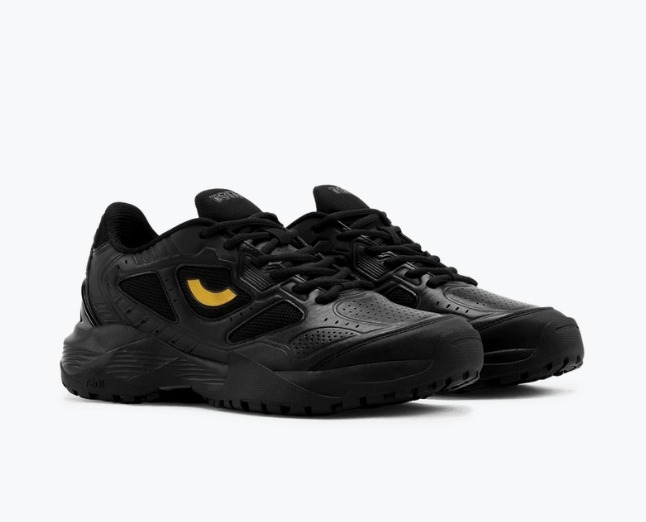
The single most important step is to match the shoe to your main activity. Before you look at brands or styles, ask what you do most in the gym. Lifting, cardio, and mixed training each need a different shoe.
Gear Up For Your Next Run





If You Lift Weights
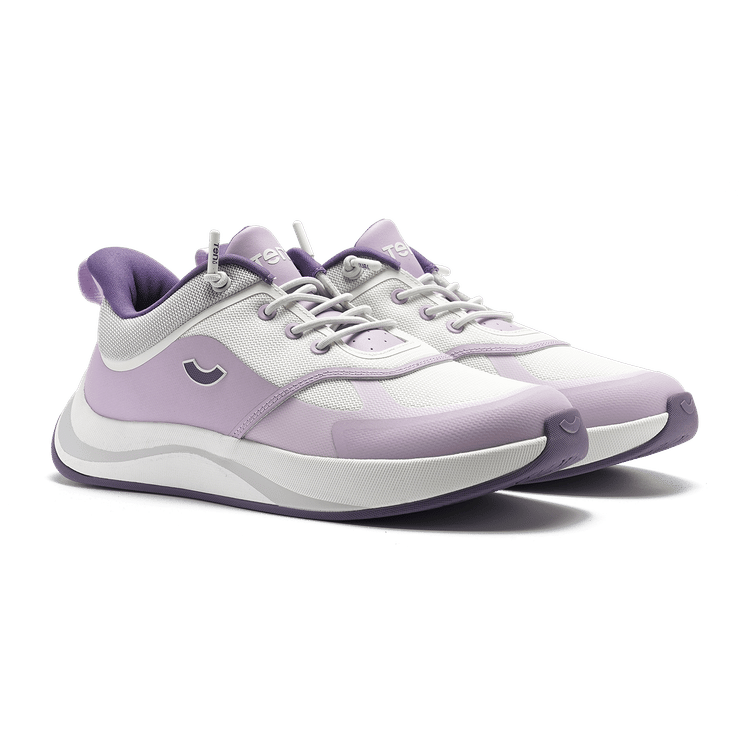
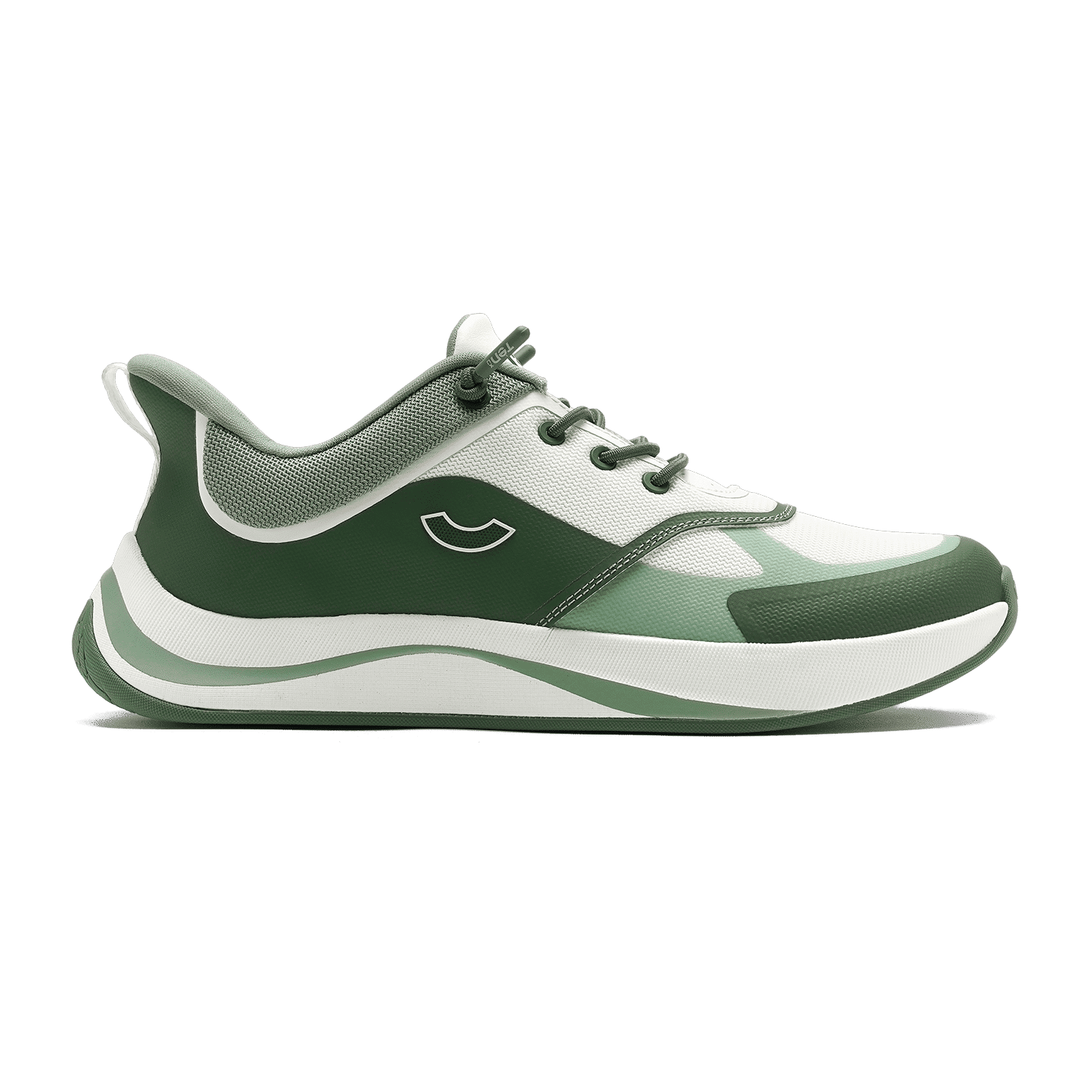
Weight training needs stability above all else. A firm, flat, low-profile sole keeps you grounded and lets you drive force into the floor. Look for a low heel drop and a stable base that does not compress under load. Soft, cushioned soles work against you here, since they let the foot wobble during heavy lifts.
If You Do HIIT or Cardio
HIIT and cardio need shock absorption and flexibility. Quick, dynamic moves call for a shoe that cushions impact and bends with the foot. Look for lateral support to handle side-to-side movement and a flexible forefoot for jumps and sprints. A lightweight build keeps you nimble through fast circuits.
If You Do a Bit of Everything
Cross-training is the most common gym routine, and it needs an all-rounder. A cross-trainer balances stability for lifting with enough cushioning for short runs and agility drills. A flat, firm base handles weights, while a flexible forefoot handles movement. For most gym-goers who mix it up, this is the safest single pick.
Features to Look For in Gym Shoes
Once you know your main activity, a few key features separate a good gym shoe from a poor one. Use these as a checklist.
The features that matter most:
- Stable, flat base that gives a solid foundation for lifting.
- Secure lockdown so the foot does not slide inside the shoe.
- Durable, grippy outsole for traction on gym floors.
- Flexible forefoot for push-off during dynamic moves.
- Breathable upper to keep feet cool through a sweaty session.
- A roomy toe area so the foot can splay for stability.
The key point is that a gym shoe should disappear once you lace up. If you notice it mid-set, the fit or the feature set is wrong.
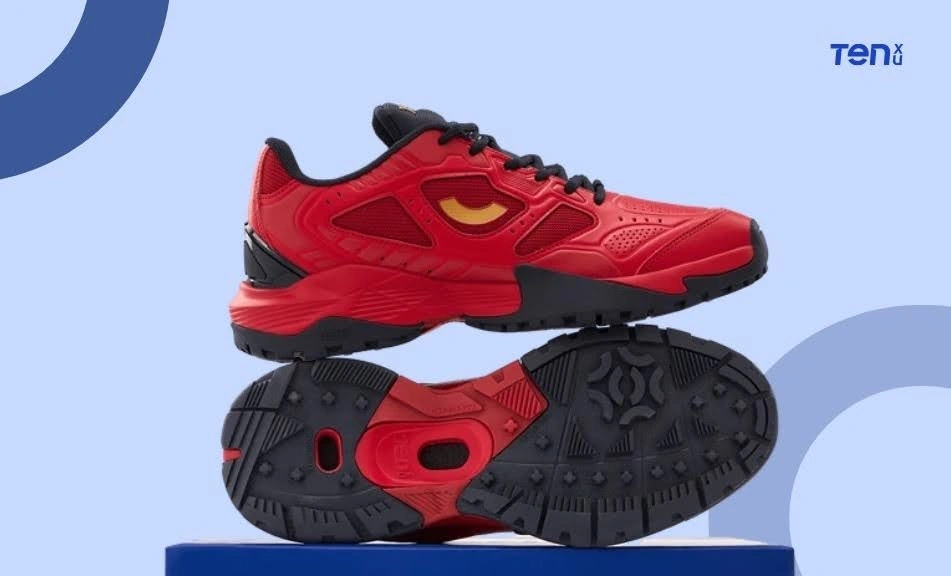
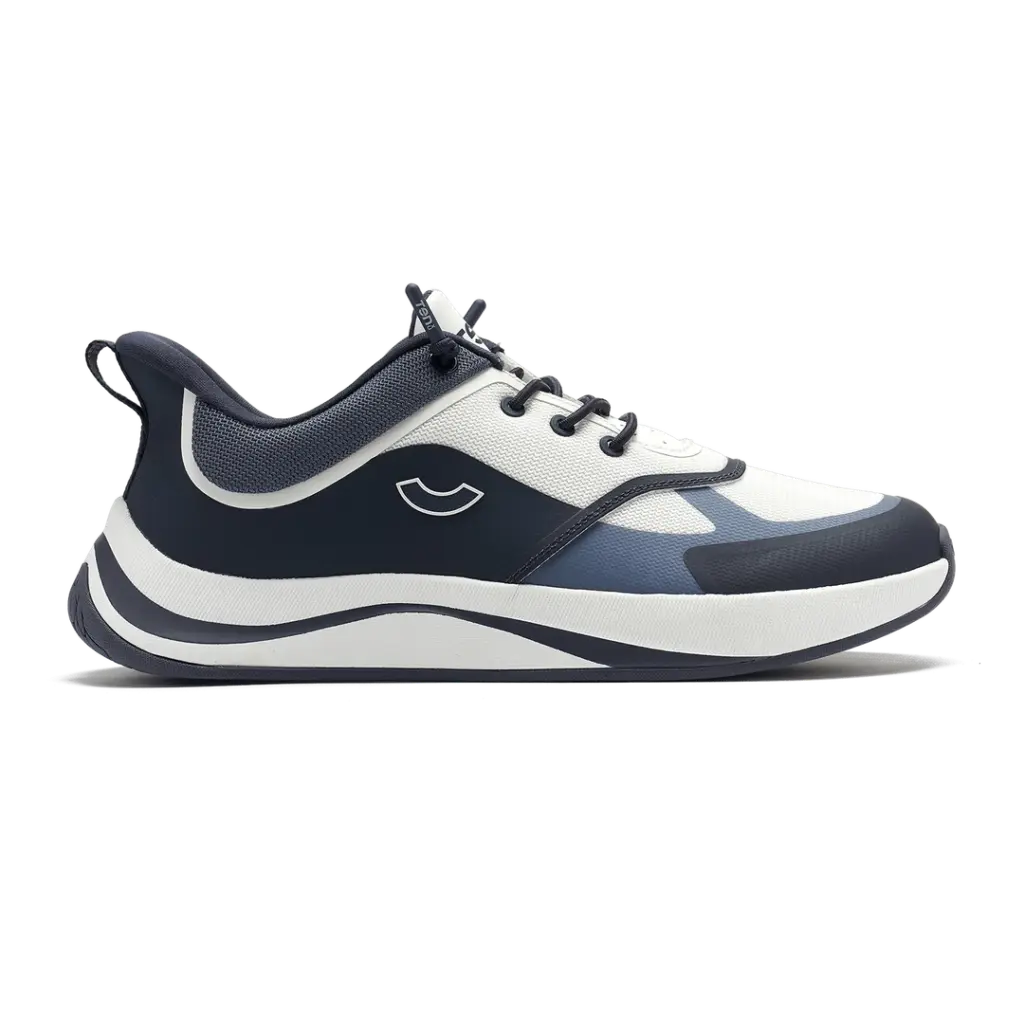
A multi-sport trainer covers the cross-training middle well. The Switch OG 2.0 Multi-Sport Sneaker brings a full rubber stud outsole for grip and inbuilt arch support. A 70mm collar adds ankle stability for mixed sessions.
Understanding Heel Drop
Heel drop is the height difference between the heel and the forefoot of a shoe. The drop matters in the gym because it changes how stable you feel, especially under weight.
A lower heel drop, under 8mm, keeps you closer to the ground and more stable for lifting. A higher drop suits running and cushioned cardio, where forward motion matters more than a flat base. Dedicated weightlifting shoes go the other way, using a raised, firm heel that helps you squat deeper with an upright torso.
For most gym-goers, a low to moderate drop with a firm base is the practical middle ground. Save the raised-heel lifting shoes for serious barbell work, since they do not cross over to other activities.
The Most Common Gym Shoe Mistake
The biggest mistake is wearing running shoes for everything. Running shoes are built for forward motion and impact absorption, not for stability under load.
The soft, high-cushion soles compress under heavy weights, which makes you less stable and can reduce your power. The same softness works against you in HIIT, where you need a firm base for jumps and lateral moves. Save running shoes for treadmill and cardio days, and use a trainer for lifting and mixed work.
For cardio-focused days, a cushioned pair does make sense. Our guide to the best cushioned running shoes covers what to look for on the running side.
A Note on Gym Floors
Many gyms and studios ask for non-marking soles to protect indoor flooring. A non-marking outsole grips the floor without leaving dark scuff streaks behind.
A multi-sport or court-style trainer usually fits this need. If you are unsure whether your pair qualifies, our guide to marking vs non-marking shoes shows three quick ways to check at home.
Lace Up for Your Best Session
The right gym shoe fades into the background and lets you focus on the work. Match it to how you train, check the features, and your feet will carry you through every set and sprint.
Ready to feel the difference for yourself? Check our products and find a trainer built for the way you move. Never Stop Playing. Start here.
Frequently Asked Questions
Gear Up For Your Next Run