You ordered a size 9 because that’s what you always wear. The shoes arrived, and your toes hit the front while your heel slid around the back.
Shoe sizes aren’t universal. A size 9 from one brand feels completely different from another. The only reliable way to get the right fit is to measure your feet and compare them to the specific brand’s size chart.
What You Need
- Two sheets of A4 paper (one for each foot)
- A pen or pencil
- A ruler or measuring tape (in centimetres)
- A hard, flat floor (not carpet)
- The socks you’d normally wear with the shoes you’re buying
Step 1: Trace Your Foot
Place a sheet of paper on a hard floor against a wall. Stand on the paper with your heel touching the wall, weight evenly distributed.
Using a pen held straight, trace the outline of your foot. Trace both feet separately, since most people have one foot slightly larger than the other.
Step 2: Measure Your Foot Length
Using your ruler, measure from the back of the heel mark to the tip of the longest toe. This is your foot length in centimetres. Record the measurement for both feet.
Your longest toe isn’t always the big toe. If you have a Greek foot shape, your second toe extends further. Always measure to whichever toe reaches farthest.
Gear Up For Your Next Run


Step 3: Measure Your Foot Width
Measure across the widest part of your tracing, typically the ball of the foot. This is your foot width in centimetres.
Width matters as much as length. Indian feet tend to be wider across the forefoot compared to the narrow lasts most global brands use. A shoe that fits your length but pinches your width causes bunion pressure over time.
Step 4: Use the Larger Foot
If your left foot measures 26.2 cm and your right measures 26.5 cm, use 26.5 cm. Always size to the larger foot. The smaller foot adjusts with lacing, but a shoe too short for your larger foot causes pain.
How to Convert cm to Indian Shoe Sizes
Indian shoe sizing follows the UK system. Here’s a quick reference chart for men’s and women’s sizes.
Men’s Size Chart
| Foot Length (cm) | India/UK Size | US Size | EU Size |
| 25.0 | 6.5 | 7.5 | 40 |
| 25.5 | 7 | 8 | 41 |
| 26.0 | 7.5 | 8.5 | 41.5 |
| 26.5 | 8 | 9 | 42 |
| 27.0 | 8.5 | 9.5 | 43 |
| 27.5 | 9 | 10 | 44 |
| 28.0 | 9.5 | 10.5 | 44.5 |
| 28.5 | 10 | 11 | 45 |
Women’s Size Chart
| Foot Length (cm) | India/UK Size | US Size | EU Size |
| 23.0 | 3.5 | 5.5 | 36 |
| 23.5 | 4 | 6 | 37 |
| 24.0 | 4.5 | 6.5 | 37.5 |
| 24.5 | 5 | 7 | 38 |
| 25.0 | 5.5 | 7.5 | 39 |
| 25.5 | 6 | 8 | 40 |
| 26.0 | 6.5 | 8.5 | 40.5 |
Note: sizes are approximate conversions. Always cross-reference your cm measurement with the brand’s own size chart.
5 Tips for Getting the Right Fit
Measure in the Evening
Your feet swell throughout the day. Measuring in the evening gives you a reading closer to your foot’s largest state, which prevents buying shoes that feel fine in the morning but squeeze by afternoon.
Wear Your Usual Socks
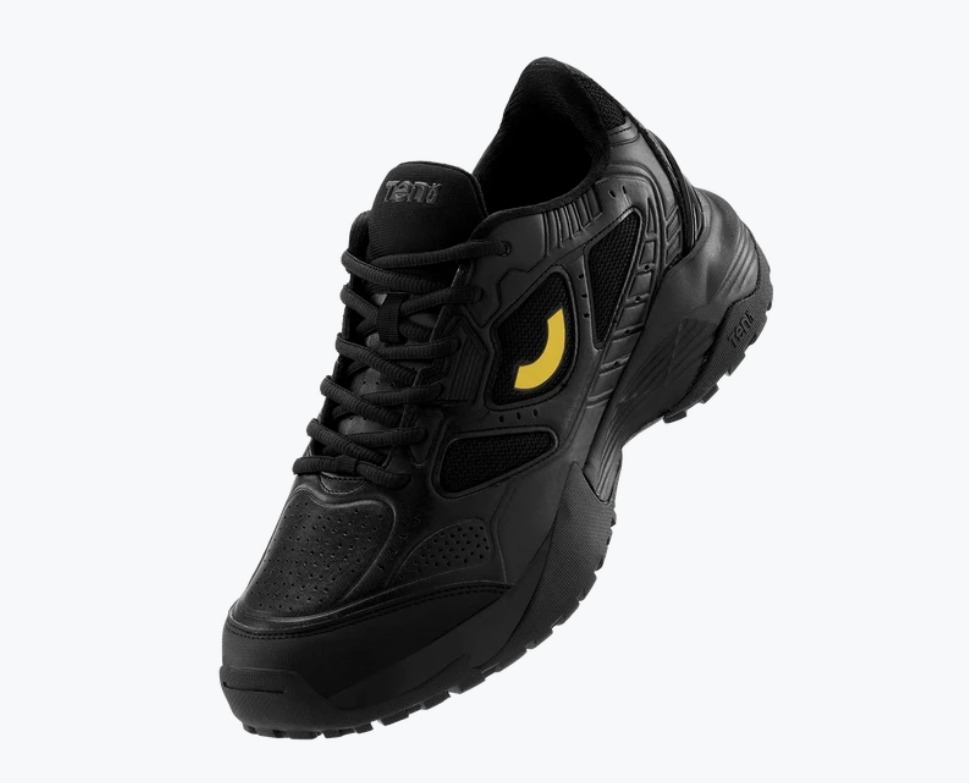
Thick running socks add volume. Thin casual socks don’t. Measure your feet wearing the type of socks you’ll pair with the shoe. For running shoes like the Aeonic Recovery Trainer, measure with your running socks on.
Leave Thumb-Width Space at the Front
Your foot slides forward slightly when you walk or run. A thumb’s width (roughly 1 cm) between your longest toe and the shoe’s front gives your toes room to move without hitting the end. Shoes built with a flared toe box give your forefoot extra splay room beyond what the size number alone suggests.
Check Width, Not Just Length
A shoe can be the right length and still feel wrong if it’s too narrow. Indian foot morphology skews wider than what most global brands design for, which is why shoes with a wide toe-box for Indian feet, like the Zenflo Walking Shoe or the Switch OG 2.0, feel different from standard imports.
Stand When Testing
Sitting shortens and narrows your foot. Always check fit while standing with full weight on both feet. Your heel should stay locked without sliding, and your toes should wiggle freely.
When Your Usual Size Doesn’t Fit
Shoe sizes are not standardised across brands. A size 8 in one brand might measure 26.5 cm internally, while a size 8 in another measures 27.0 cm. The last shape also varies, affecting how the shoe wraps your foot.
If you’re between sizes, go up. A slightly longer shoe adjusts with lacing or a thicker insole. The Crossover Slip On uses bungee lacing for custom tension, and a dual-density insole fills volume for feet between sizes.
Your Feet Deserve Shoes That Actually Fit
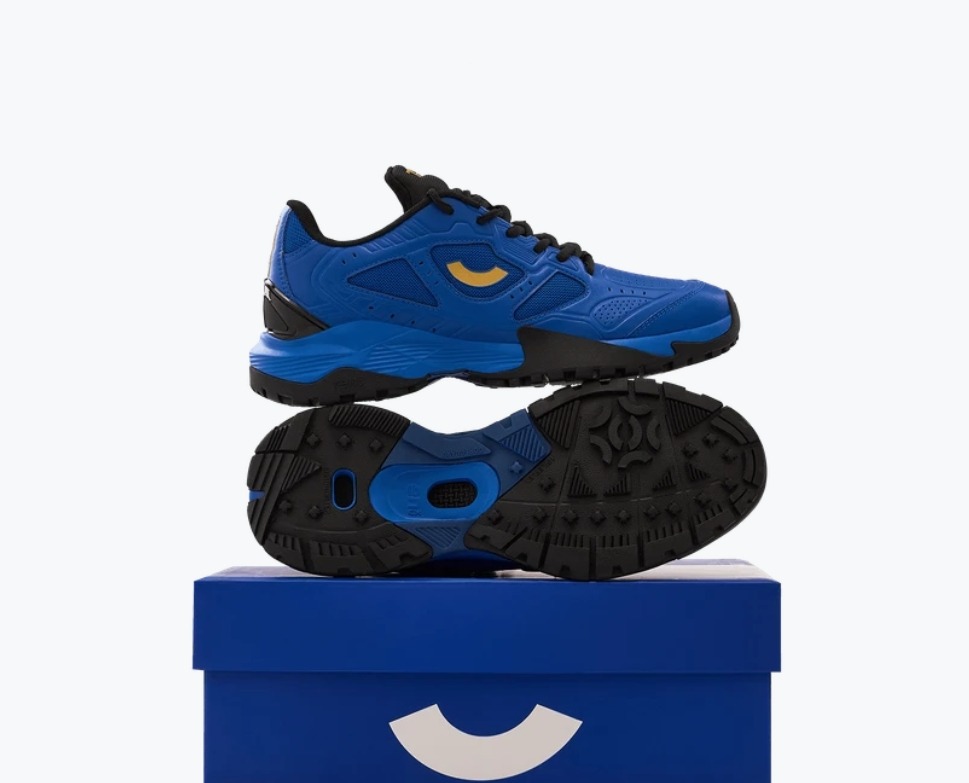
A five-minute measurement saves you returns, blisters, and shoes sitting unworn. Know your numbers, check the size chart, and prioritise width alongside length. Life never stops, and play shouldn’t either. Never Stop Playing.
Lace up and find out Check our products and find your fit.
Frequently Asked Questions
Gear Up For Your Next Run