Your shoes look great. Your feet don’t feel great. And you can’t figure out why.
Most people pick shoes based on colour, style, or brand. Almost nobody flips the shoe over. But the sole is the part that actually touches the ground, absorbs every step, and decides whether your feet feel fresh or wrecked by evening.
7 Types of Shoe Sole Material (And What Each One Does)
Not all soles are created equal. Some prioritize cushioning, some prioritize grip, and some prioritize durability. Here we break down the most common types of shoe sole material you’ll find in sportswear and everyday footwear.
Rubber Soles
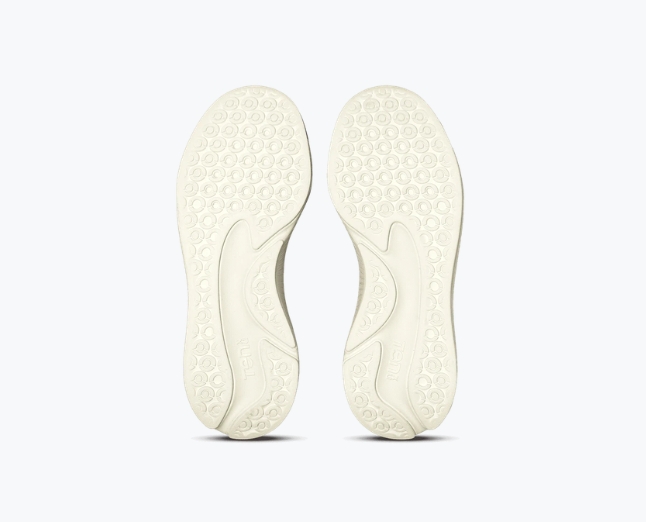
Rubber is the all-rounder of sole materials. Strong grip, high abrasion resistance, and reliable performance in both wet and dry conditions. You’ll find rubber outsoles on everything from running shoes to casual sneakers.
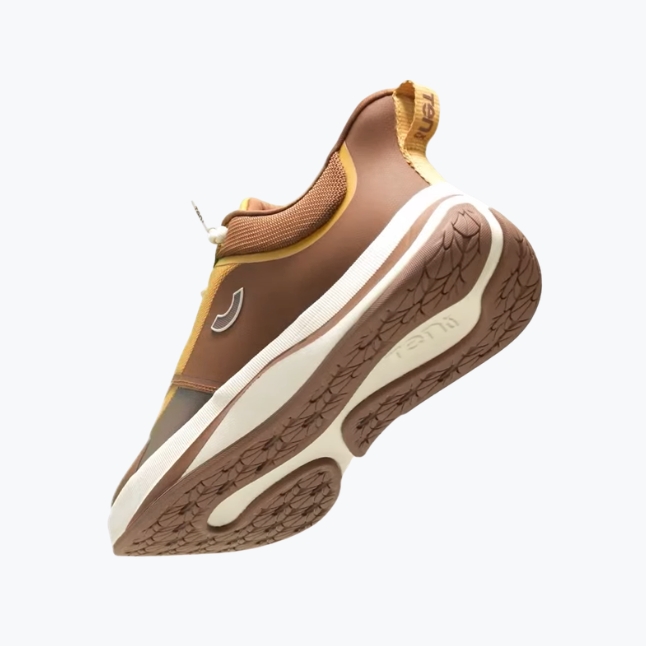
A good rubber outsole handles Indian roads, monsoon puddles, and gym floors without losing its tread. The Aeonic Recovery Trainer uses a 3.5mm rubber outsole specifically compounded for durability and surface grip on abrasive Indian roads, without adding stiffness to your stride.
Rubber soles work when you need: all-surface grip, wet-weather traction, and long-term durability.
EVA Soles (Ethylene Vinyl Acetate)
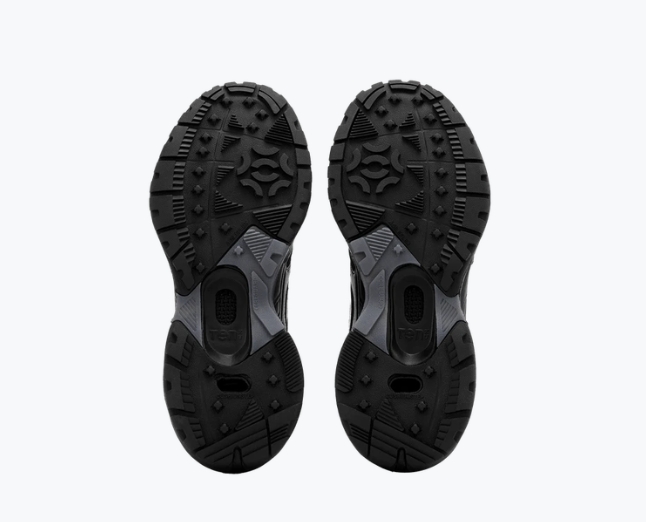
EVA is the go-to midsole material for lightweight cushioning. Soft, flexible, and excellent at absorbing shock, EVA reduces the impact that travels up through your knees and joints with every step. According to IMARC Group, India’s athletic footwear market reached USD 6.2 billion in 2025, driven largely by consumers choosing shoes with better cushioning and shock absorption.
The Switch OG 2.0 uses Heelcloud EVA foam positioned under the heel to absorb micro-shocks during every heel strike. At just 360g total weight, EVA keeps the shoe light enough for quick lateral movement across turf, courts, and gym floors.
EVA soles work when you need: lightweight feel, shock absorption, and all-day comfort without bulk.
PU Soles (Polyurethane)
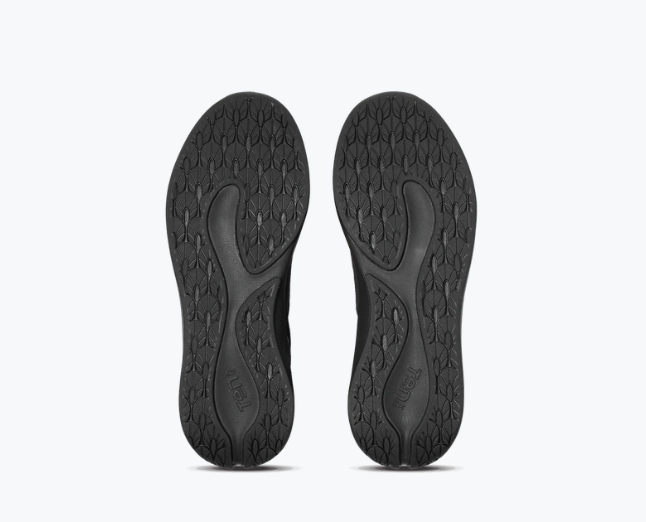
PU is denser and firmer than EVA, which makes it more durable over time. Where EVA compresses and softens after months of use, PU holds its shape and structure for longer, making it the better choice for insoles and structural layers that need to last.
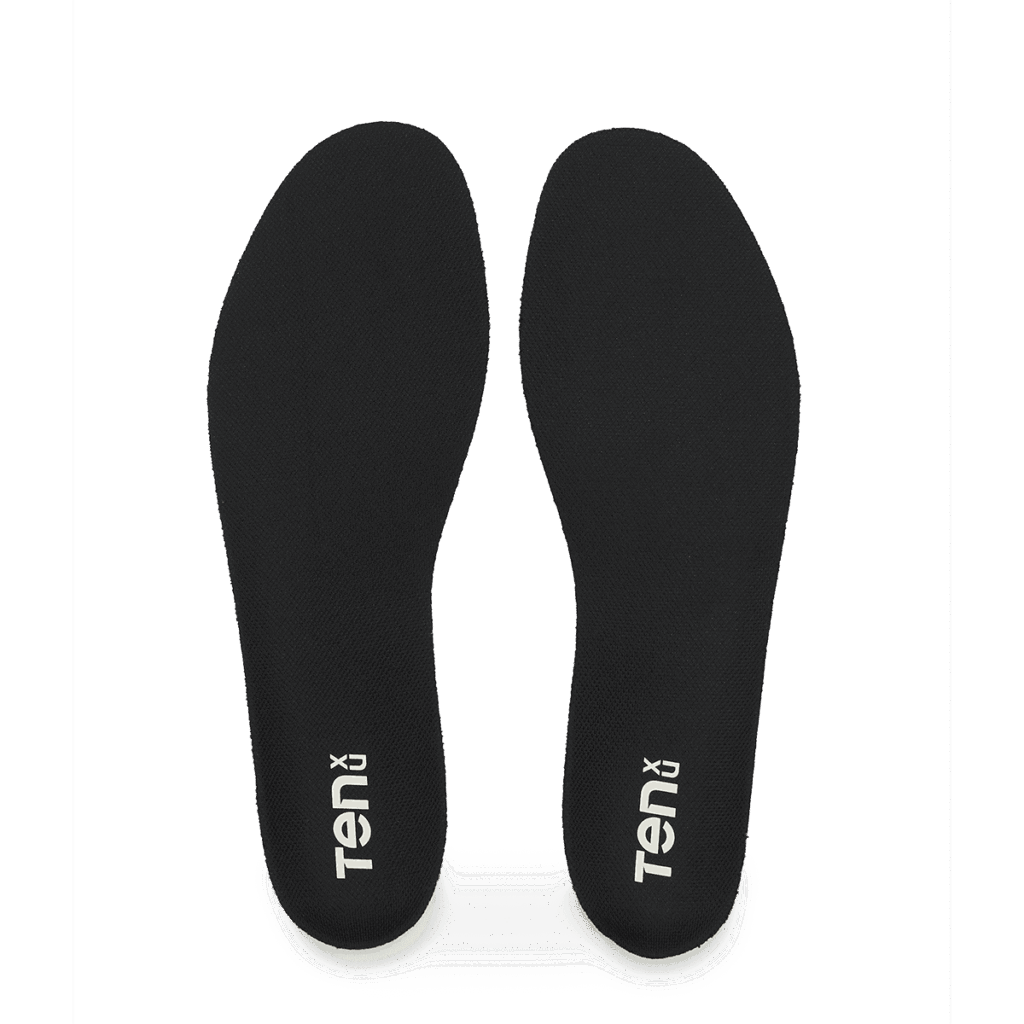
Ten x You’s partnership with INSITE uses Levation-poured PU foam as the structural base layer in shoes like the Zenflo Walking Shoe. The INSITE dual-density insole layers 8mm of PU cushioning at the heel, tapering to 4mm at the forefoot, shaped from over 120,000 3D foot scans for biomechanical accuracy.
PU soles work when you need: long-lasting arch support, structural durability, and resistance to compression over time.
TPU (Thermoplastic Polyurethane)
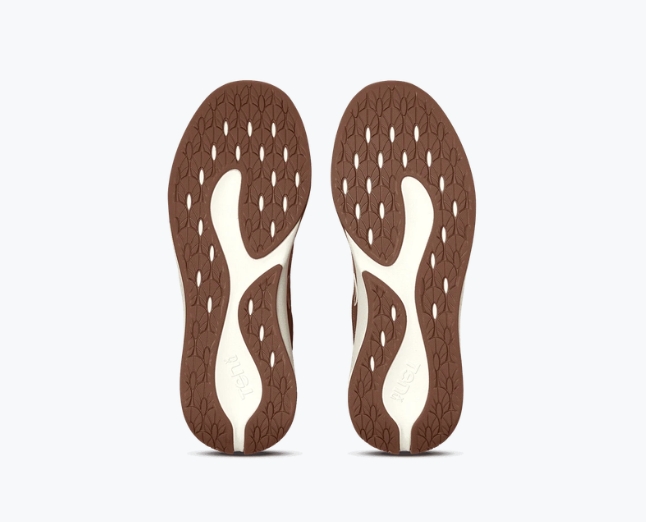
TPU is the toughest of the group. Highly abrasion-resistant, excellent grip, and strong enough to handle pressure from explosive movements. You’ll find TPU in sports shoes, trail footwear, and structural components like heel cups.
The Crossover Slip-On Sneaker embeds a TPU heel cup that locks your foot in place and prevents internal movement, giving you stability without tight lacing. TPU fusing also reinforces the structure of the Zenflo, keeping the shoe’s shape intact through months of daily wear.
TPU works when you need: structural reinforcement, heel stability, and durability under high-stress movement.
TPR Soles (Thermoplastic Rubber)
TPR blends the flexibility of rubber with a lighter overall feel. Good grip, accessible price point, and practical for everyday city use. You’ll find TPR on casual footwear, sandals, and everyday sneakers.
TPR soles work when you need: decent grip, flexibility, and accessibility for daily casual wear.
Leather Soles
Leather soles are built for formal occasions. Smooth finish, natural breathability, and a polished look. Not built for sports, wet surfaces, or rough Indian roads, but for office and dress settings, nothing matches the feel.
Gear Up For Your Next Run


Combination (Multi-Layer) Soles
Most modern performance shoes don’t use a single material. A combination of sole layers uses different materials to get the best of each. Rubber outsole for grip, EVA midsole for cushioning, PU insole for structural support, and TPU for reinforcement, all working together.
Every shoe in the Ten x You range uses this approach. The Aeonic layers a 3.5mm rubber outsole with an impact-absorbing midsole and INSITE PU insoles. The Switch OG 2.0 combines Heelcloud EVA foam with a full rubber stud outsole and a wide Indian foot design. Each layer does one job well, so the whole system works better than any single material can.
Which Sole Material Is Best for Running Shoes?
For running shoes, the best sole material is a combination of rubber and EVA. Rubber handles the outsole for traction and abrasion resistance. EVA handles the midsole, absorbing repeated impact without adding weight.
PU adds long-term durability to the insole layer, keeping arch support intact over months of use. A shoe with all three, like the Aeonic, distributes impact through multiple layers instead of relying on any single material.
Your Sole Decides Your Comfort. Choose Wisely.
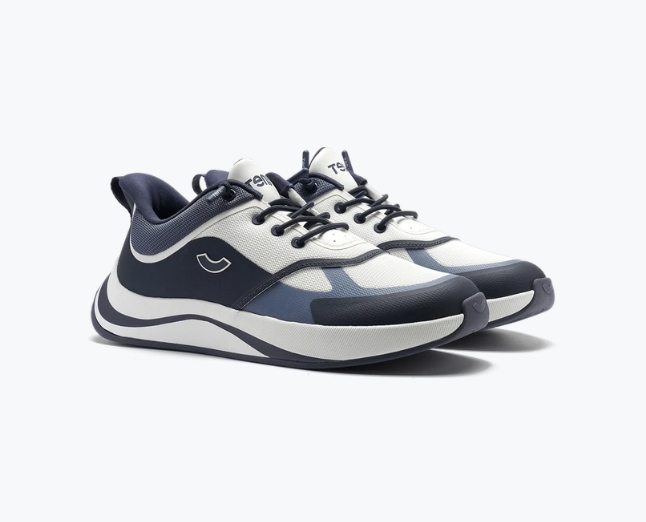
Every step puts your full body weight through whatever material sits between your foot and the ground. The right sole absorbs that impact, supports your arch, grips the surface, and holds up for months.
Stop picking shoes by how they look on top. Start flipping them over. Life never stops, and play shouldn’t either. Never Stop Playing.
Lace up and find out. Check our products and feel the difference under your feet.
Frequently Asked Questions
Gear Up For Your Next Run