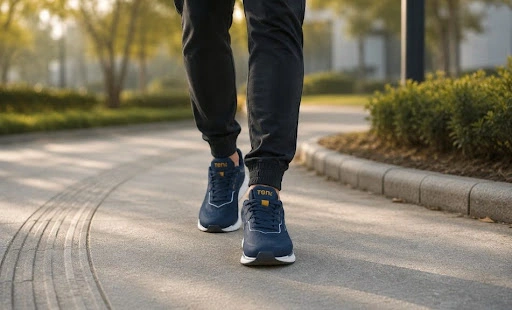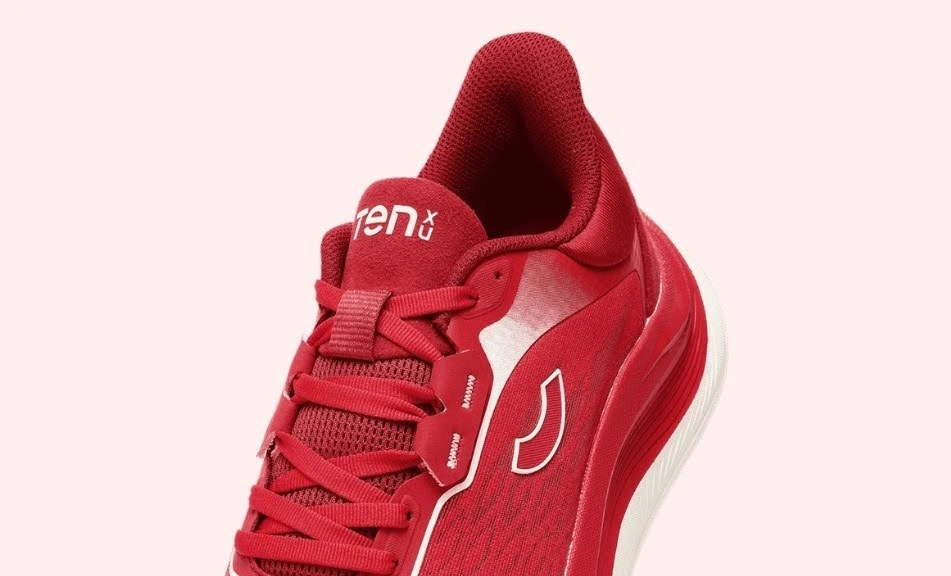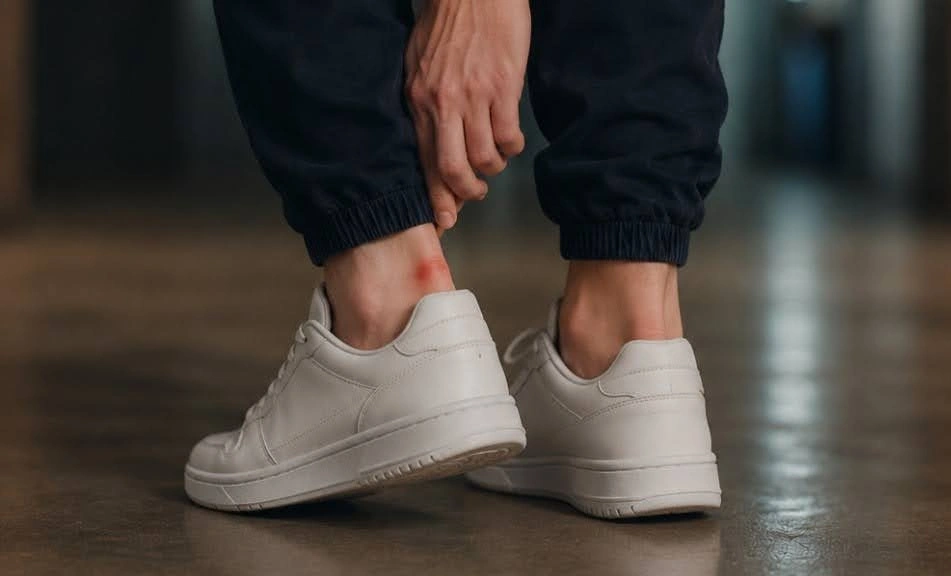
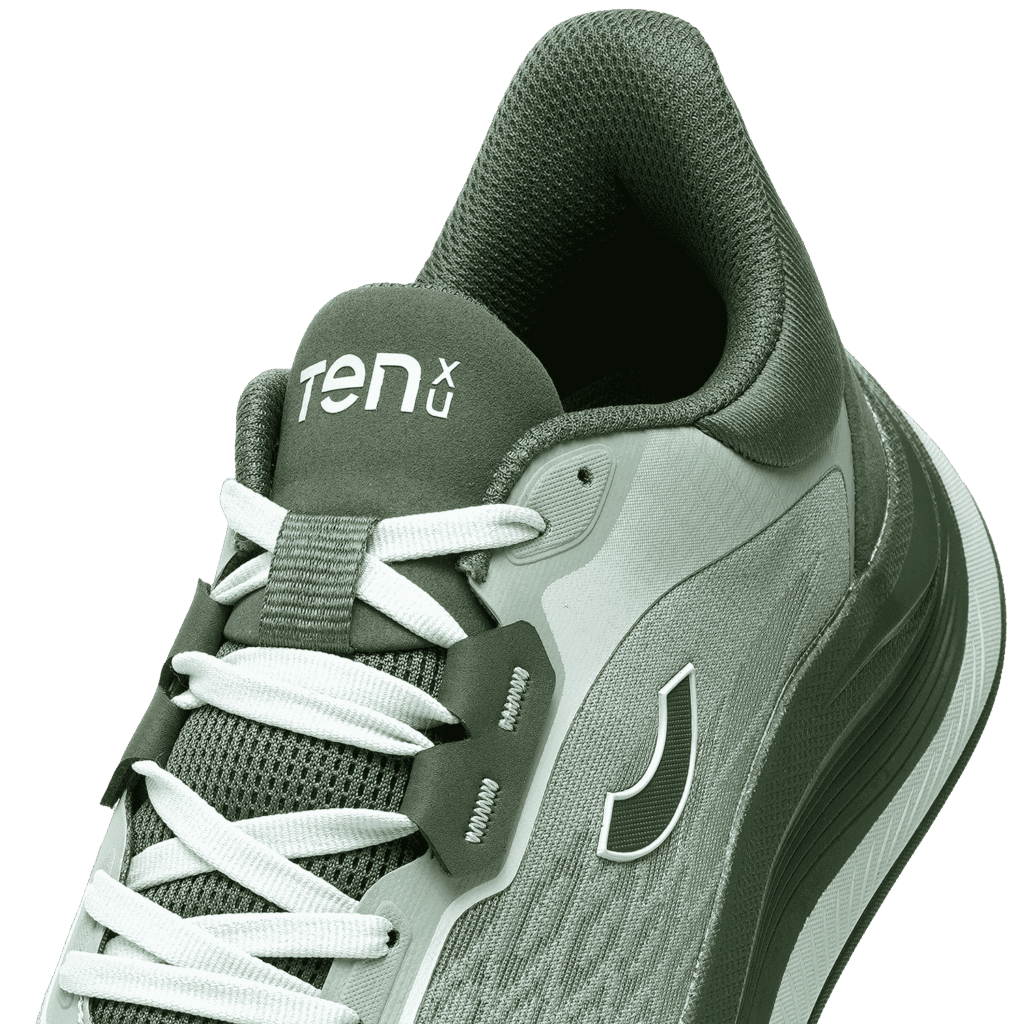
There is a dangerous misconception in the fitness world: lighter is always better. Runners are obsessed with shaving grams off their gear. While this makes sense for an Olympian chasing a world record, it is often detrimental for the everyday athlete. At Ten x You, co-founded by Sachin Tendulkar, we prioritize longevity and biomechanical health over marketing gimmicks.
When selecting Sports Running Shoes, you must understand where that weight comes from. Often, the difference between a supportive shoe and a flimsy one is just a few ounces of critical protection.
Why Do Some Shoes Weigh Heavier Than Others?
Weight is often a proxy for substance. High-quality materials have density. When you pick up a shoe that feels incredibly light, you need to ask what was removed to achieve that weight.
Many brands compromise on the material and cushioning of the insole to save a few grams. While this looks good on a spec sheet, it affects the person wearing the shoe. Thinner insoles mean less shock absorption for your joints. A slightly heavier shoe often indicates a robust midsole designed to handle repetitive impact without collapsing.
The Hidden Cost of Lightweight Running Shoes
To market lightweight running shoes, manufacturers often target the outsole. The outsole is the bottom layer that contacts the ground. To reduce weight, brands frequently use softer, cheaper compounds or shave off rubber thickness.
This is problematic for stability and durability, particularly for Indian road conditions. Our roads are not manicured rubber tracks. They are abrasive and uneven. A thin, shaved-down outsole wears out quickly and offers poor protection against stone bruises. Furthermore, a lack of mass in the sole reduces traction, increasing the risk of slips.
Precision Engineering: 3.5mm of Control
At Ten x You, we refuse to sacrifice stability for a marketing claim. Our products feature a 3.5mm rubber outsole engineered for superior grip and traction control.
We accept the slight weight increase because it translates to miles of durability. This thickness ensures that the shoe retains its grip long after other Sports Running Shoes have been smoothed down to slippery foam.
Marathon Racers vs. Everyday Athletes
Context is king. Ultra-light footwear serves a specific purpose: competitive racing. Lightweight running shoes are preferred for people running competitive marathons where every gram counts toward a finish time. However, these shoes usually have a very short lifespan.
For shorter runs, training sessions, and everyday use, durable shoes are the superior choice. You need gear that survives the daily grind, not gear that needs replacing every 300 kilometers.
Comparison: Lifestyle Heavyweights vs. Performance
It helps to compare running gear with other footwear staples to understand weight distribution.
- Jordans and Basketball Shoes: These are significantly heavier than runners. They are built with dense leather and thick rubber for court impact and ankle lockdown. They offer protection but are too heavy for running.
- Converse and Canvas Shoes: These have heavy rubber soles but zero arch support or cushioning. They are durable but mechanically poor for momentum.
- Generic “Light” Trainers (Adidas/Nike entry-level): These often strip away the rubber outsole entirely, using exposed foam to touch the ground. They are light but slippery and fragile.
Ten x You sits in the performance sweet spot. We are lighter than lifestyle heavyweights but more substantial than flimsy foam runners. We provide the structure requisite for serious training.
Frequently Asked Questions
Are lighter shoes always better for running?
No. While lighter shoes reduce fatigue over long distances, they often lack the cushioning and durability found in high-quality Sports Running Shoes. For training and rougher terrain, a slightly heavier, durable shoe is safer.
Do Ten x You shoes work for Indian roads?
Yes. Our shoes feature a 3.5mm rubber outsole specifically engineered to withstand the abrasive nature of Indian roads, offering better durability than standard Sports Running Shoes.
What is the difference between racing shoes and training shoes?
Racing shoes are often marketed as lightweight running shoes and sacrifice durability for speed. Training shoes prioritize joint support, grip, and longevity for daily wear.
Why is the outsole thickness important?
A thicker outsole, like our 3.5mm rubber layer, provides traction control and prevents the midsole from wearing down prematurely, which is a common issue in generic Sports Running Shoes.
Invest in Durability
Don’t let the scale dictate your purchase. Your knees, ankles, and budget will thank you for choosing a shoe built to last. Experience the difference of a trainer designed with the insight of a sporting legend.