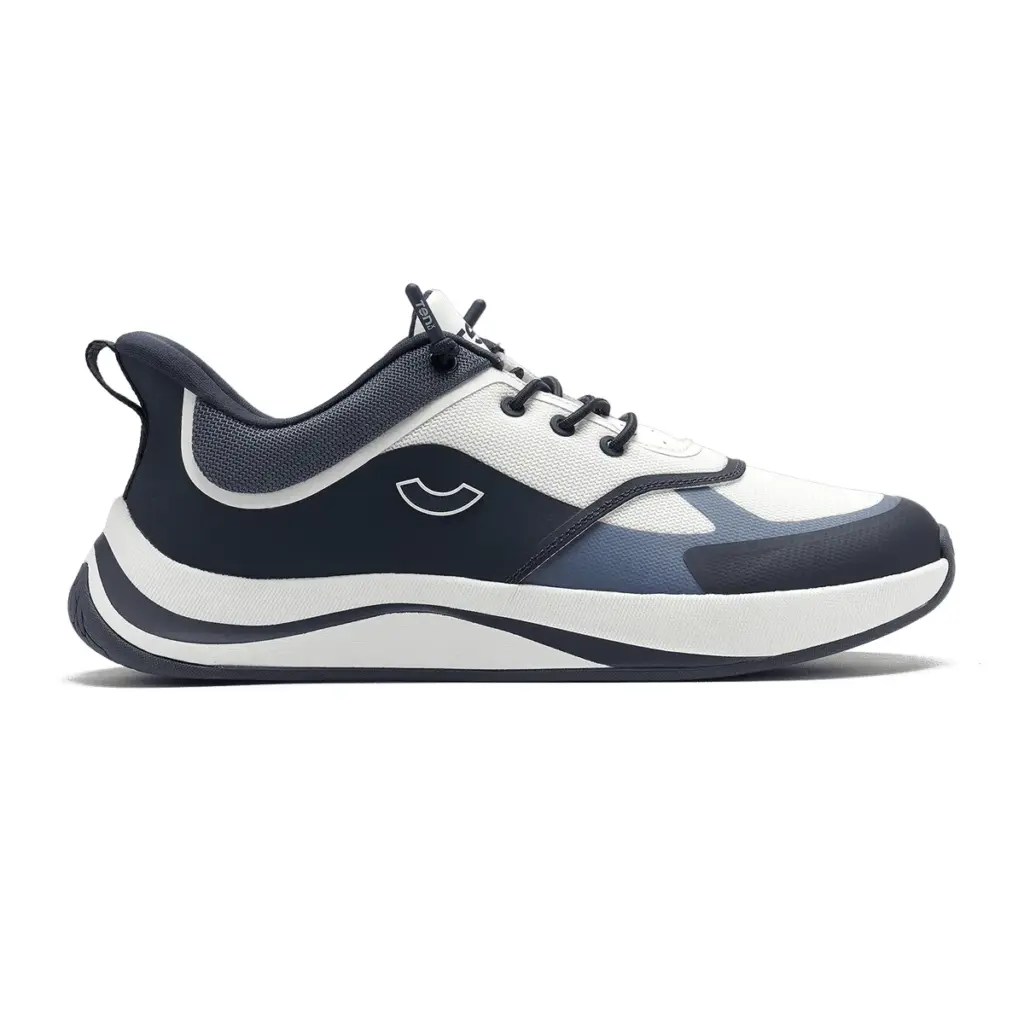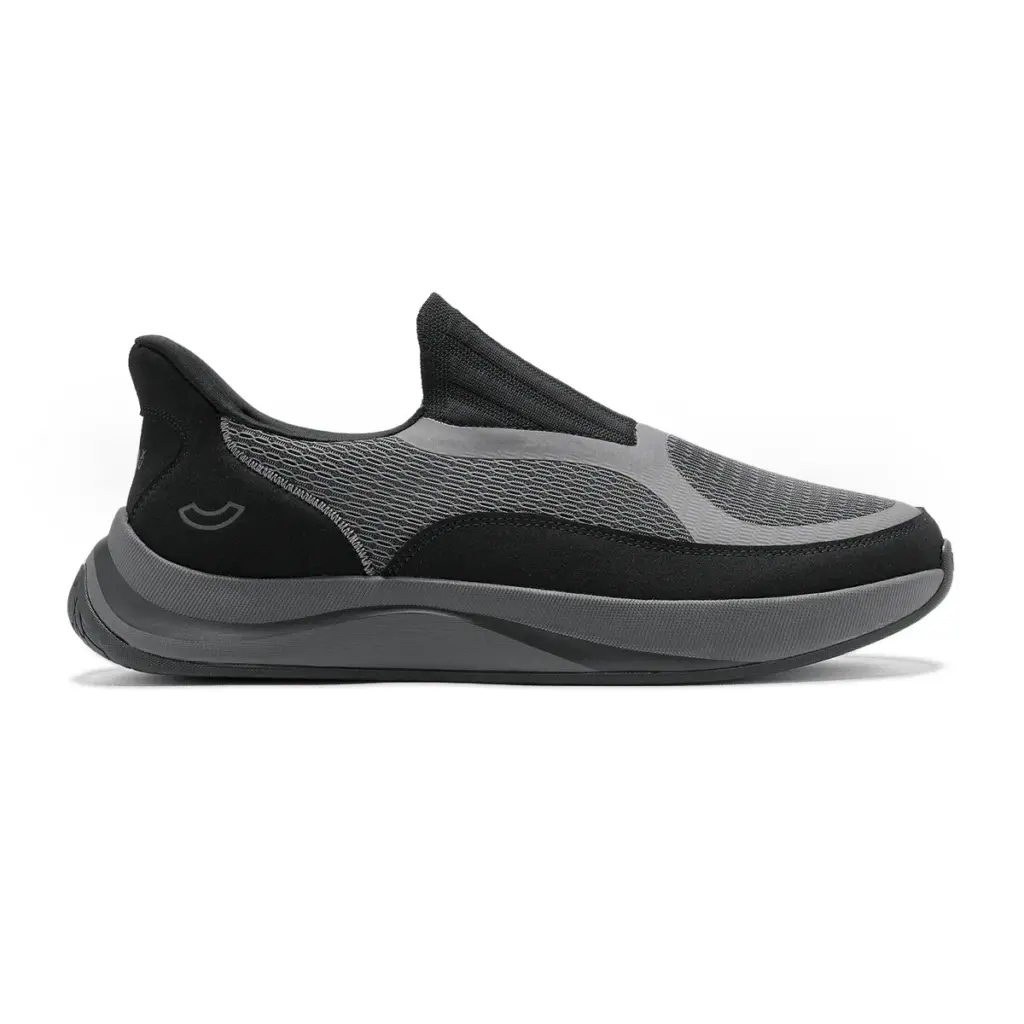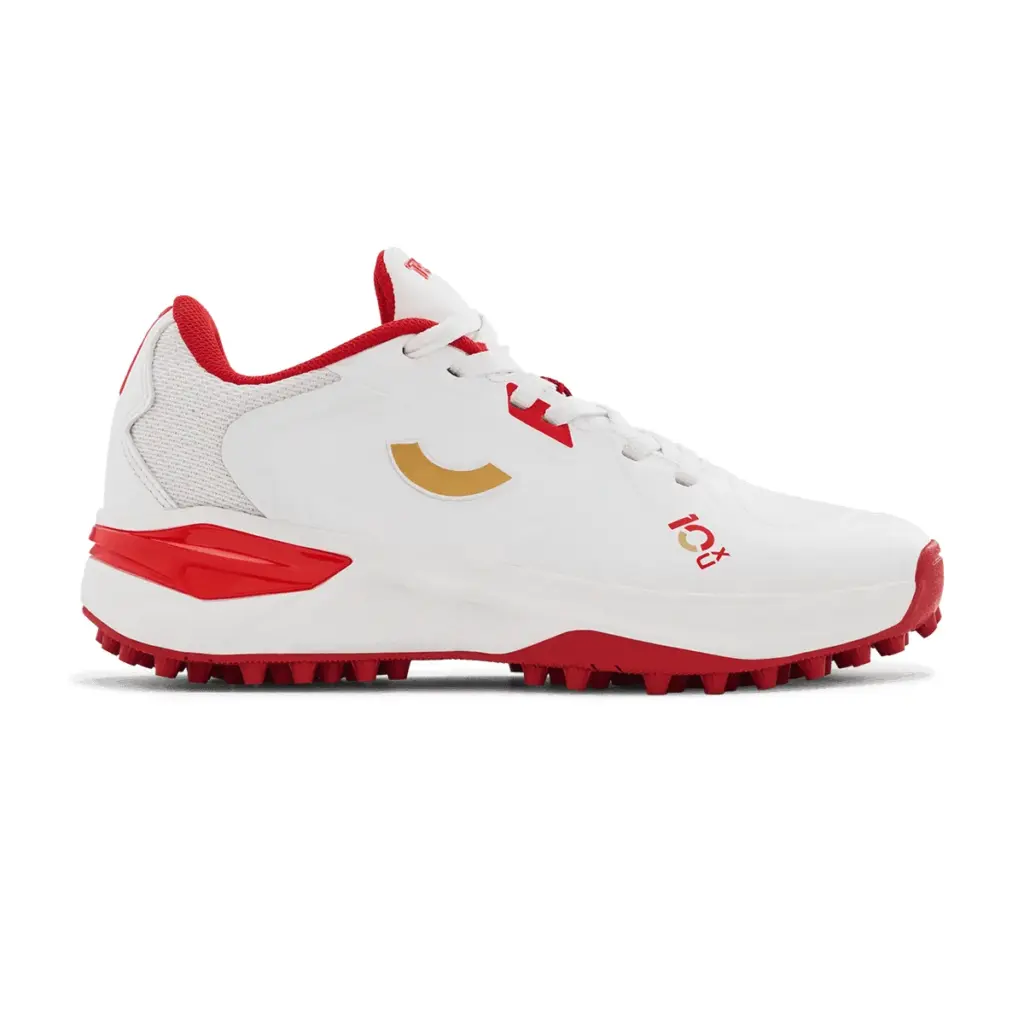
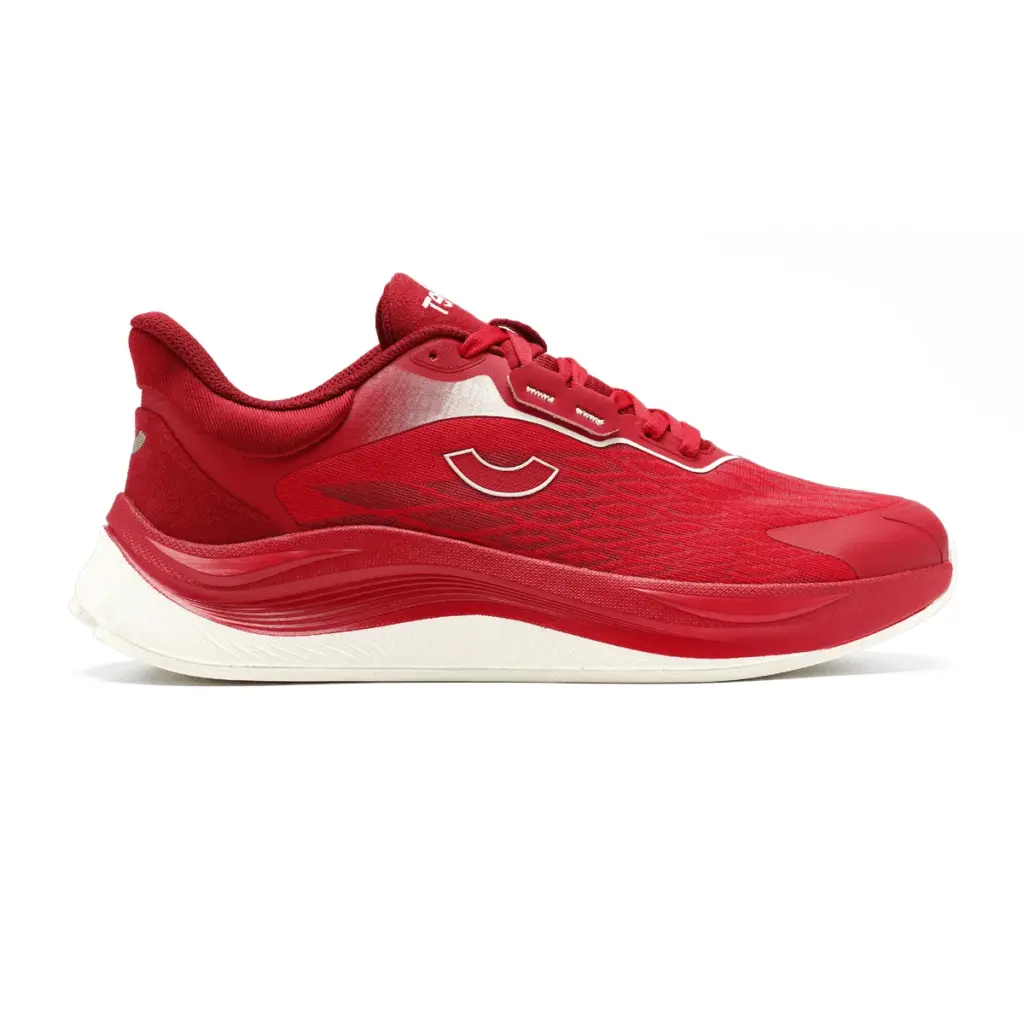
Wide toe box running shoes give your toes room to spread when your foot lands, which can help prevent rubbing, numb toes and black toenails. Look for a rounded or foot-shaped front, a heel that still locks in, and enough cushioning for your usual distance. Measure your forefoot width at home before you buy.
Many runners blame their legs when the real problem is a cramped front of the shoe. Finding wide toe box running shoes is where they get stuck. A narrow toe box can mean blisters on the little toe, numb feet after 5 km or bruised toenails.
The good news is that finding the right pair follows a simple sequence. Know what a wide toe box is, check if you need one, measure your forefoot, check the shape, balance width with heel lock, match the cushioning and test on a run. Each step below builds on the last, so your toes get the room they need from the first kilometre.
Step 1: Know What a Wide Toe Box Is
The toe box is the front part of the shoe that covers your toes. A wide toe box is shaped like a foot, with room for the toes to spread flat instead of being squeezed to a point.
There are three common toe box shapes:
- Pointed or tapered: narrows quickly at the front. Squeezes the big and little toes.
- Rounded: curves gently. Suits most average and slightly wide feet.
- Foot-shaped or flared: widest at the toes. Suits wide forefeet and runners who swell on long runs.
A wide toe box is not the same as a bigger size. Our guide to why wide toe box shoes matter for Indian feet explains the difference.
Step 2: Check If You Need One
Not every runner needs extra width. Checking for a few signs saves you from buying a shoe that feels sloppy.
Watch for these signs:
- Rubbing or blisters on the outside of the little toe or the big toe joint.
- Toes that go numb or tingle after a few kilometres.
- Black or bruised toenails after long runs.
- Your foot bulging over the edge of the sole when you stand.
If two or more sound familiar, a wide toe box is worth trying. Many runners also go up a full size to get width, which leaves the heel loose.
Step 3: Measure Your Forefoot Width
Forefoot width is the distance across the widest part of your foot, at the ball. Measuring it tells you whether a standard shoe will ever fit comfortably.
Try this at home:
- Stand on a sheet of paper with your full weight on the foot.
- Mark both sides of the widest part of your forefoot.
- Measure the gap in centimetres and repeat for the other foot.
- Compare it to the brand’s width or size chart.
Measure in the evening, after a walk, when feet are at their largest. Our guide to how to measure shoe size at home walks through length and width.
Step 4: Check the Toe Box Shape
Shape matters as much as width. A shoe can be wide at the ball yet still pinch the toes if the front tapers too soon.
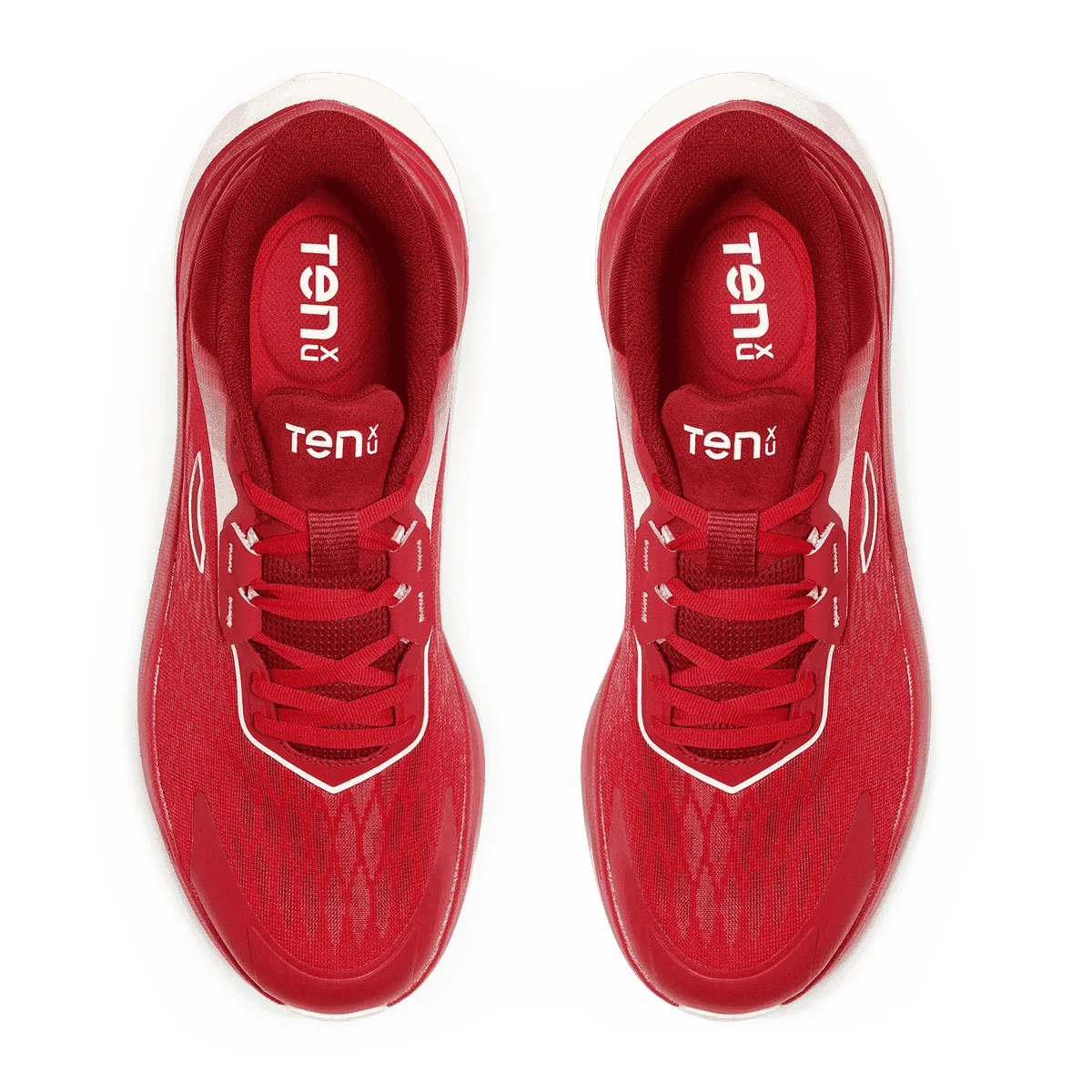
The Aeonic is built for this stage. The Aeonic Recovery Trainer is designed for a wide fit with a flared toe box. Dual-density insoles with advanced arch support keep the foot stable as the toes spread on landing.
Stand in the shoe and wiggle your toes. They should lie flat and move freely, with no pressure on the sides.
Step 5: Balance Width and Heel Lock
Heel lock is how firmly the back of the shoe holds your heel. A wide shoe still needs a snug heel, or your foot slides forward on every stride.
Follow these fit rules:
- Your heel should not lift when you jog on the spot.
- The midfoot should feel snug, not squeezed.
- Use the top eyelet for a runner’s loop if the heel slips.
- Leave about a thumb’s width in front of your longest toe.
Wide in front and snug at the heel is the goal. If you have to tighten the laces hard to stop slipping, the shoe is too big overall.
Step 6: Match the Cushioning to Your Runs
Cushioning is the foam that softens each landing. A wide toe box solves comfort at the front, but your distance decides how much cushioning you need underneath.
A simple split:
- Short and easy runs: moderate cushioning keeps the shoe light.
- Daily runs of 5 to 10 km: a well-cushioned midsole helps the legs recover.
- Long runs: max cushioning, with a stable base.
The Aeonic pairs its wide fit with a max-cushion midsole, a 34 mm heel stack and a 10 mm drop. Our guide to how to choose running shoes for beginners explains how to match cushioning to your running.
Step 7: Test Them on a Run
A shoe that feels fine standing still can rub after 3 km. A short test run shows how the toe box behaves when your feet swell.
Try this test:
- Wear your usual running socks.
- Run or jog for 10 to 15 minutes, indoors if possible.
- Check for rubbing, numb toes or the heel lifting.
Feet spread a little during a run, so a slight feeling of space at the toes is good. Run indoors first, so you can still return the pair if it does not work.
Tapered vs Rounded vs Flared Toe Box: Quick Comparison
A short reference to match your foot to the right toe box.
| Type | Best For | Key Feature |
|---|---|---|
| Tapered toe box | Narrow feet, short runs | Pointed front, snug overall |
| Rounded toe box | Average to slightly wide feet | Gentle curve at the front |
| Flared toe box | Wide forefeet and long runs | Room for toes to spread flat |
The key point is to choose a wider toe box, not a bigger size. Measure your forefoot, check the shape and make sure the heel still locks in.
Give Your Toes Room to Run
When your toes can spread, every stride feels more natural and your feet stay comfortable for longer. The right width is a small change that pays off on every run.
Ready to feel the difference for yourself? Check our shoes for wide feet and find a pair built with room to run. Never Stop Playing. Start here.
Frequently Asked Questions
Are wide toe box shoes good for running?
Yes, wide toe box shoes are good for running if your toes feel cramped in standard shoes. They let your toes spread on landing, which can reduce rubbing and numb toes. The heel still needs to lock in so the foot does not slide.
How do I know if I need a wide toe box?
You may need a wide toe box if you get blisters on your little toe, numb toes on runs or black toenails. Another sign is your foot bulging over the sole when you stand. Measure your forefoot width at home to confirm.
Should running shoes be a size bigger?
Running shoes should leave about a thumb’s width of room at the toe, which some runners get by going half a size up. Going a full size bigger just for width often leaves the heel loose. A wider toe box is a better fix than a longer shoe.
Is a wide toe box the same as wide fit?
A wide toe box and a wide fit are related but not the same. A wide toe box means more room at the front for the toes. A wide fit means more volume through the whole shoe. Many runners need only the wider toe box.
Do Indian feet need wide shoes?
Many Indian feet are wider across the forefoot than standard international sizing allows. That is why many Indian runners feel squeezed in shoes that fit by length. Measuring your forefoot width tells you whether you need a wider shoe.
Can a wide toe box help with bunions?
A wide toe box can make shoes more comfortable if you have bunions, because it puts less pressure on the big toe joint. It does not treat the bunion itself. See a doctor or physiotherapist if the joint is painful or getting worse.