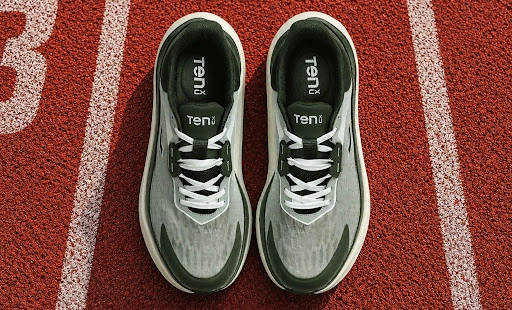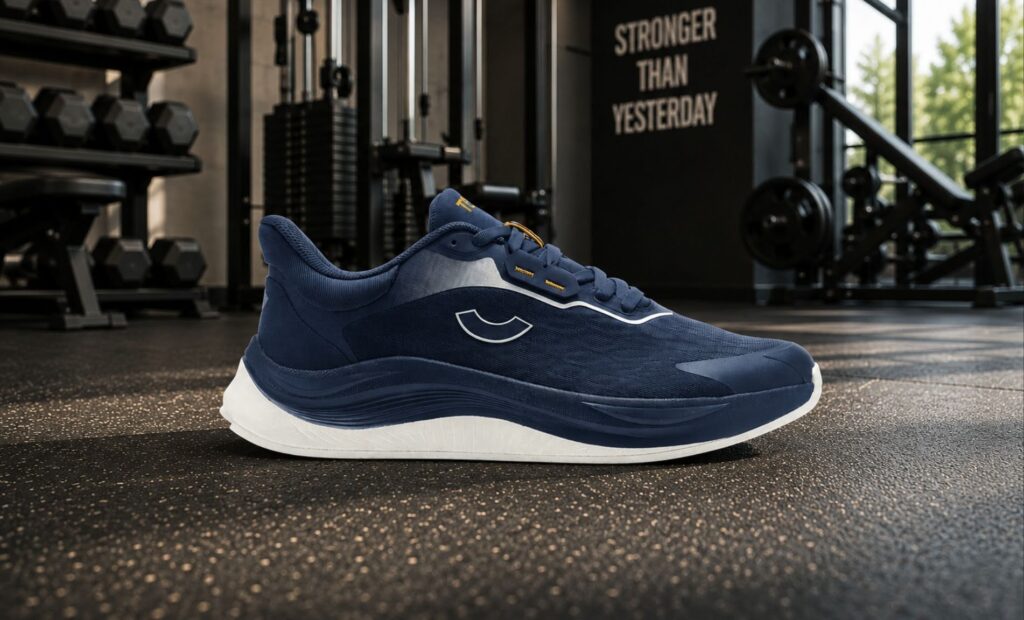
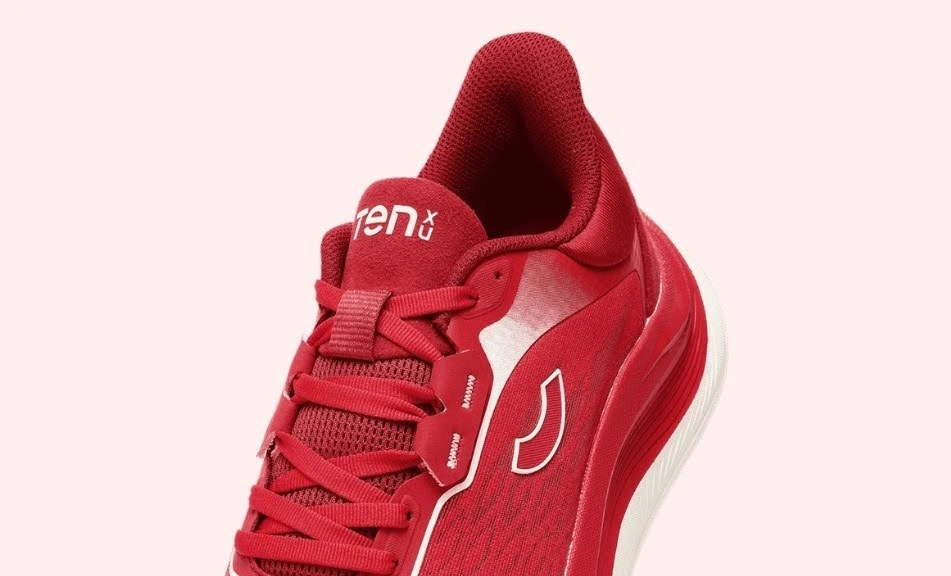
If you play indoor sports like badminton, squash, or pickleball, the same rules apply at the door. Non-marking shoes only.
The marking vs non-marking shoes question comes down to one thing: the sole and whether it leaves marks on the floor. Marking shoes suit outdoor surfaces. Non-marking shoes are required for most indoor courts. Here is how to pick the right pair.
What Is the Difference Between Marking and Non-Marking Shoes?
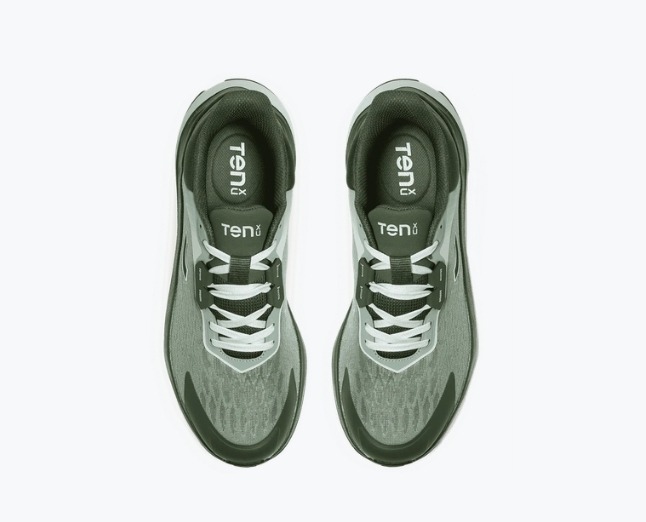
Marking shoes have hard, dark rubber soles that can leave scuff marks on smooth indoor floors. Non-marking shoes have softer, lighter-coloured rubber soles, often called gum soles, that grip indoor surfaces without leaving streaks.
The difference matters for two reasons. The court stays clean, and your shoe gives you the right traction for the surface.
| Feature | Marking Shoes | Non-Marking Shoes |
| Sole material | Hard, dense rubber | Soft, gum-style rubber |
| Sole colour | Often black or dark | Light, gum, or translucent |
| Best surface | Outdoor (concrete, asphalt, turf) | Indoor (wooden, synthetic court) |
| Grip on smooth floors | Slips, leaves streaks | Controlled grip, no marks |
| Durability outdoors | High | Lower, wears fast on rough surfaces |
| Common use | Outdoor running, cricket, hiking | Badminton, squash, basketball, pickleball |
What Are Marking Shoes?
Marking shoes are everyday and outdoor sports shoes whose soles can leave visible marks on smooth indoor floors. The sole uses a harder, denser rubber compound. That hardness gives the shoe better abrasion resistance for rough outdoor surfaces, but the same hardness reacts with polished indoor floors and leaves streaks.
Marking shoes are fine for outdoor use. Running, cricket on grass or hard ground, hiking, and casual outdoor wear all suit a marking sole. The Aeonic Recovery Trainer, for example, uses a 3.5mm rubber outsole built for abrasive Indian roads. Designed for outdoor running, not indoor court play.
Gear Up For Your Next Run


What Are Non-Marking Shoes?
Non-marking shoes use softer, lighter-coloured rubber soles, often called gum soles, that grip indoor surfaces cleanly. Gum rubber holds traction on smooth wood, synthetic, or vinyl flooring without transferring colour or leaving streaks. Most indoor sports venues mandate them to protect the floor.
A few features identify a typical non-marking shoe:
- Light, gum-coloured, or translucent outsole
- Softer rubber compound that flexes under pressure
- Marketed as a court shoe, gym shoe, or indoor sports shoe
- Lower-profile sole shape for quick lateral movement
For more on how rubber compounds shape sole performance, our guide to rubber outsole materials breaks it down.
How to Tell If a Shoe Is Non-Marking
You do not need a label to know if a shoe is non-marking. Three quick tests at home will tell you within seconds.
1. The Sole Colour Check
Flip the shoe over. A dark, often black rubber sole almost always marks indoor floors. A light, gum, or translucent rubber sole is usually non-marking. Colour alone is not a guarantee, but it is the fastest first check before any test.
2. The Paper Streak Test
Press the sole firmly onto a clean sheet of white paper and drag it across the page. If a dark streak appears, the sole will mark a court too. A clean drag with no colour transfer means the shoe is likely non-marking.
3. The Fingernail Press Test
Press your fingernail into the sole of the rubber. A firm rubber that does not give is usually a marking sole. Softer rubber that dents slightly under pressure is usually a gum or non-marking compound. Gum soles feel a touch tacky to the finger.
Which Sports Require Non-Marking Shoes?
Most indoor courts require non-marking shoes to protect the playing surface. The rule is not a suggestion. You may be turned away at the venue if you arrive in marking soles. The sports that commonly mandate non-marking footwear include:
- Badminton
- Squash
- Volleyball (indoor)
- Basketball (indoor wood courts)
- Table tennis
- Pickleball
- Indoor futsal
- Handball
- School indoor sports
Outdoor sports do not have this rule. For outdoor cricket, dedicated cricket spike shoes use metal spikes for grip on grass pitches, where the spikes themselves leave intentional marks for traction.
Which One Should You Choose?
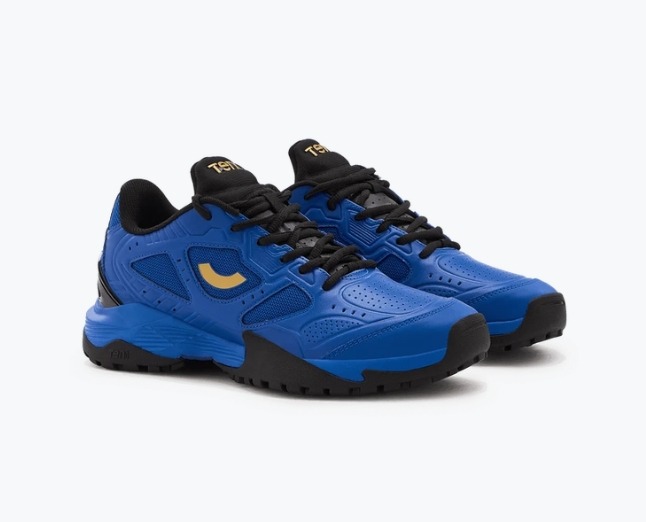
The decision is straightforward. Match your shoe to the surface and the venue rules.
Choose marking shoes if:
- You only play outdoor sports (cricket on grass, football on turf, road running)
- Your surface is concrete, asphalt, or natural ground
- You want maximum sole durability on rough surfaces
Choose non-marking shoes if:
- You play indoor court sports (badminton, squash, pickleball, volleyball)
- The venue specifically requires non-marking footwear
- You want safer pivots and lateral movement on smooth flooring
For mixed training that bounces between gym work and the occasional court session, a versatile sneaker helps. For multi-surface and lateral work, the Switch OG 2.0 Multi-Sport Sneaker and Switch Fan Edit Multi-Sport Sneaker cover similar ground. Always check the sole material before buying for indoor court use.
Match the Sole to the Surface
The right shoe disappears under your feet. The wrong one gets you turned away at the door, scuffs the floor, or gives you a slip when it matters. A small check before you buy saves real grief at the venue.
Ready to feel the difference for yourself? Check our products and pick the pair built for how you play. Never Stop Playing. Start here.
Frequently Asked Questions
Gear Up For Your Next Run