You walk in your running shoes. You occasionally jog in your walking shoes. And you wonder why your knees feel stiff by the end of the day.
Walking and running look similar, but they put very different demands on your body. Running generates two to three times your body weight in impact force with every stride. Walking keeps one foot on the ground at all times, with far less shock per step. The difference between walking shoes and running shoes starts right there.
Walking vs Running Shoes: Where the Design Actually Differs
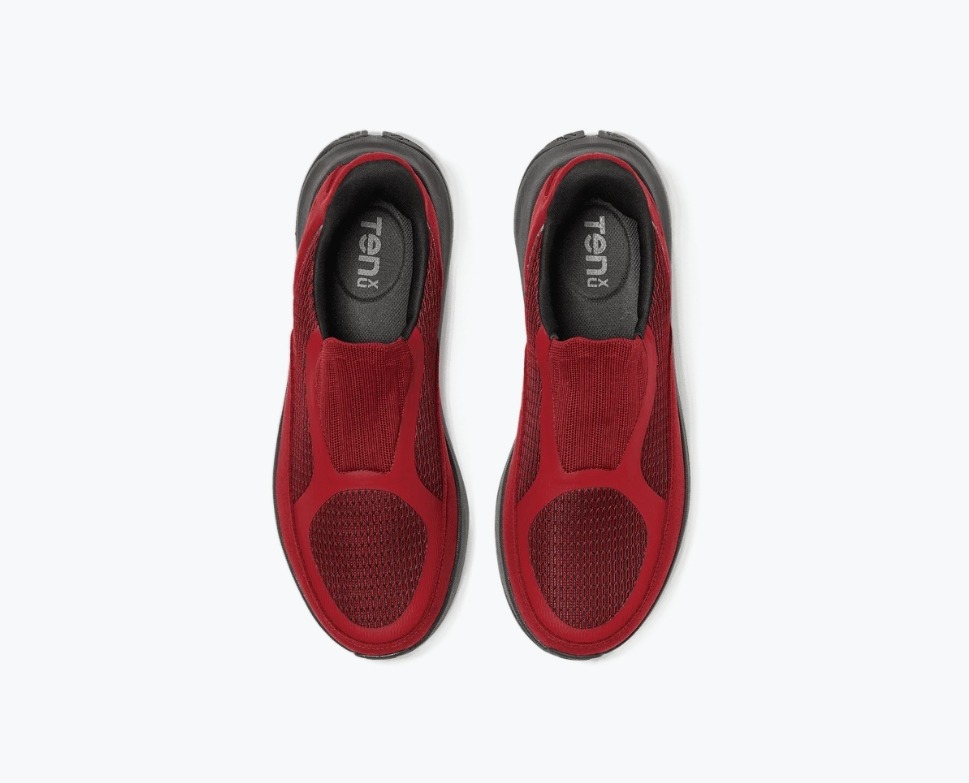
Walking shoes and running shoes share the same basic structure: outsole, midsole, insole, and upper. But the way each layer is built changes based on whether you’re walking or running. Here’s how the key differences break down.
Cushioning
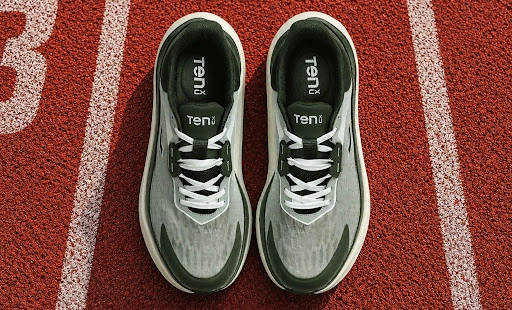
Running shoes need thicker, more responsive midsoles because every stride generates significantly more impact than a walking step. The midsole absorbs that repeated shock and returns energy to propel you forward.
Walking shoes use firmer, more stable cushioning. You don’t need the same level of shock absorption, so the midsole focuses on comfort and support over long hours rather than high-impact rebound. The Zenflo Walking Shoe uses dual-density insoles with 8mm of Levation PU foam at the heel, tapering to 4mm at the forefoot. The thicker heel cushioning absorbs impact from your natural heel strike, while the tapered forefoot supports a smooth roll-off.
Flexibility
Walkers roll from heel to toe in a smooth, controlled motion. Walking shoes flex more at the forefoot to support that natural stride.
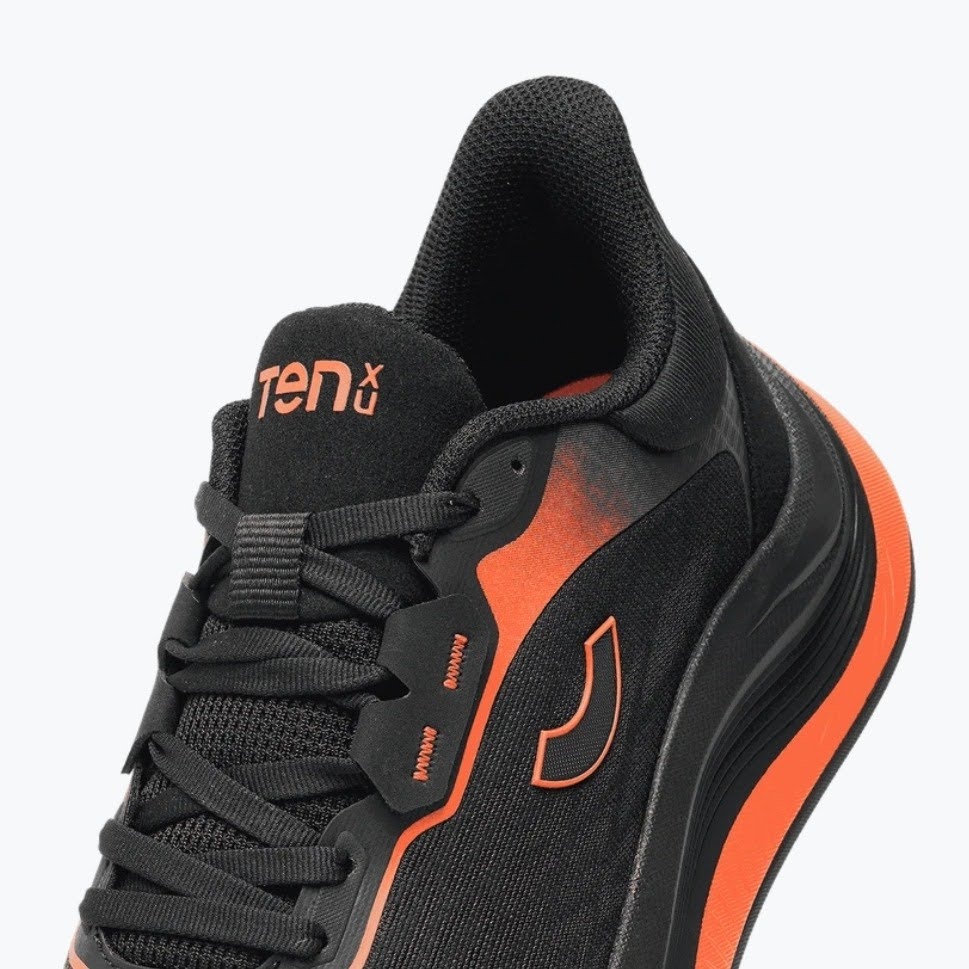
Running shoes are stiffer, especially performance models that use structural plates or denser foam compounds for propulsion. A shoe like the Aeonic Recovery Trainer balances flexibility with structure. A 3.5mm rubber outsole flexes with your foot instead of restricting movement, while the midsole absorbs landing forces and returns energy into your next step.
Gear Up For Your Next Run


Sole Design and Grip
Walking shoes prioritize even, flat tread patterns for smooth, balanced steps on sidewalks and indoor surfaces. Running shoes use directional tread grooves, heel-to-toe, to support forward momentum and push-off.
Grip matters on both, especially on Indian roads where surfaces shift between concrete, wet tiles, and uneven paths. A rubber outsole compounded for durability handles these conditions without losing tread, whether you’re walking or running.
Heel Drop
Heel drop is the height difference between the heel and the toe. Running shoes typically have a higher drop to suit mid-foot strikers and maintain forward momentum. Walking shoes have a lower, more neutral drop for a stable, level base.
Weight
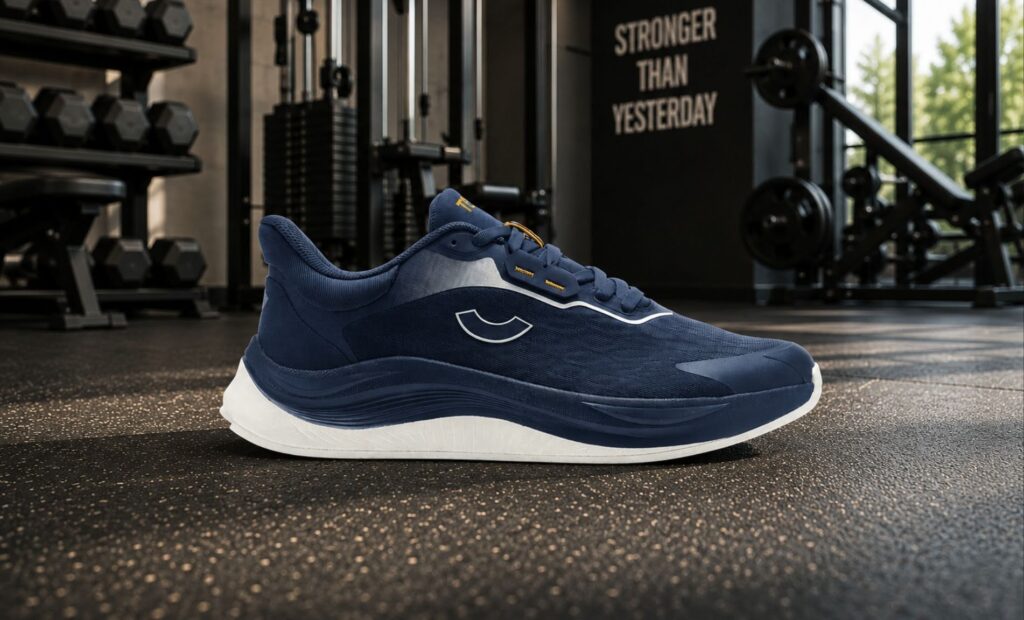
Running shoes prioritize being lightweight to reduce fatigue over distance. Walking shoes can afford slightly more weight because the pace is slower. However, weight still matters for all-day comfort. A multi-sport sneaker weighing just 360g with a wide toe-box keeps your feet from dragging, whether you’re on a morning walk or a chai run.
Can Running Shoes Be Used for Walking?
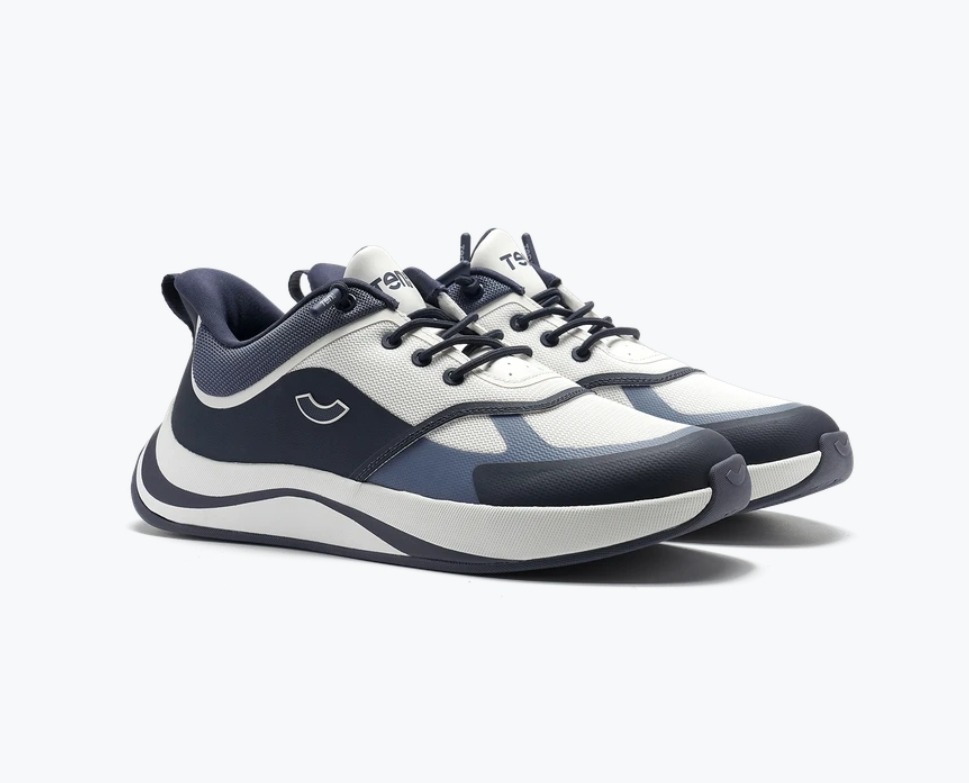
Yes. Running shoes generally work well for walking because they provide more cushioning and shock absorption. If you walk for fitness, commuting, or travel, a running shoe handles those activities comfortably.
However, some running shoes with very thick cushioning or aggressive heel drops can feel unstable at a walking pace. A shoe built for recovery and durability makes a better crossover choice. Walking shoes, on the other hand, are not recommended for running. The firmer midsole and reduced shock absorption can’t handle repeated high-impact forces.
How to Pick Between Walking and Running Shoes
Match the shoe to your primary activity, and your feet will thank you.
| Your Activity | Choose |
| Daily walking, commuting, errands | Walking shoes |
| Running, jogging, training | Running shoes |
| Mixed walking and occasional running | Running shoes |
| Standing for long hours | Walking shoes |
| Travel with varied activity | Running shoes |
If your week involves both, a running shoe with moderate cushioning covers more ground than a walking shoe can. According to IMARC Group, India’s athletic footwear market reached USD 6.2 billion in 2025 as more consumers match their shoes to specific activities rather than using one pair for everything.
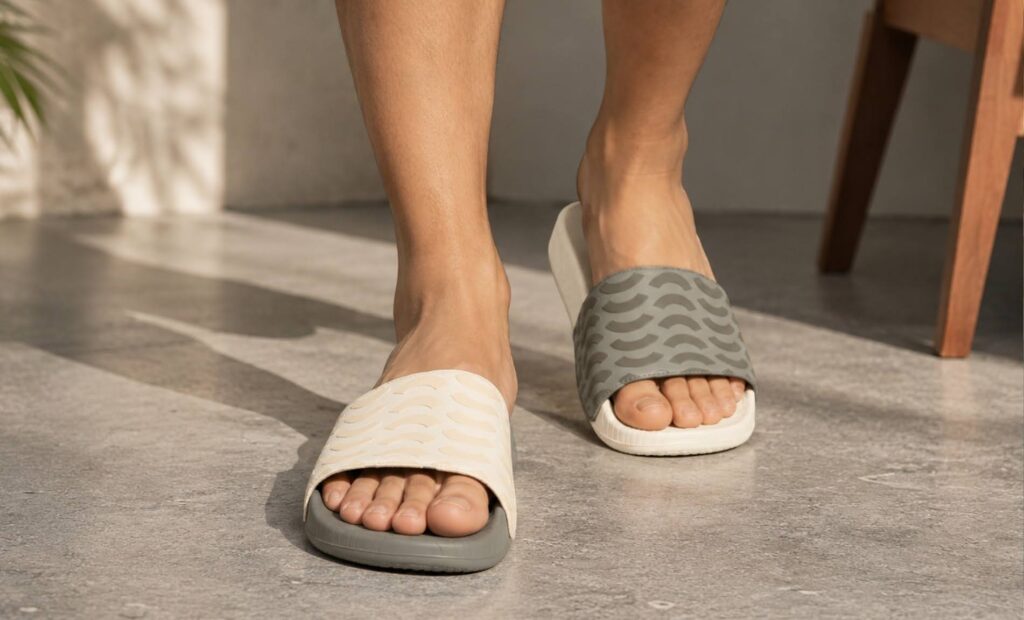
For daily walking, the Zenflo’s insoles and elf-cap heel design let you step in hands-free and stay supported from morning to evening. For running and mixed training, the Aeonic’s flared toe box gives your forefoot room to spread naturally on impact, improving balance with every stride. And for days that don’t follow a plan, a versatile slip-on sneaker with bungee lacing, a TPU heel cup, and a dual-density insole covers the gaps.
Your Feet Move Differently, Your Shoes Should Too
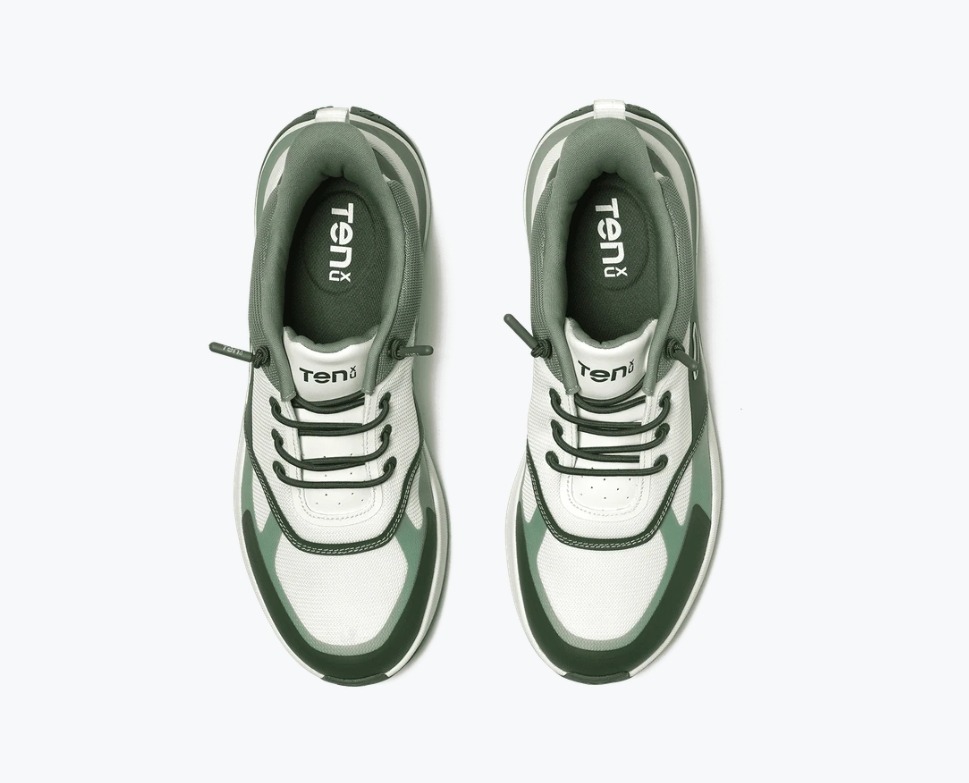
Walking and running ask different things from your body. The right walking shoe keeps you comfortable for hours. The right running shoe protects your joints through miles of impact. Choosing the right shoe for your foot shape matters more than any brand on the box.
Stop asking one pair to handle everything. Life never stops, and play shouldn’t either. Never Stop Playing.
Lace up and find out. Check our products and find your fit.
Frequently Asked Questions
Gear Up For Your Next Run