You bought a shoe that felt great in the store. A month later, the heel collapsed, the sole went flat, and your toes felt cramped by afternoon.
Most people judge shoes by colour and brand. Almost nobody looks at how the shoe is actually built. But every part of a shoe serves a specific purpose. When one part fails, the whole shoe feels wrong.
The 3 Layers of a Shoe Sole
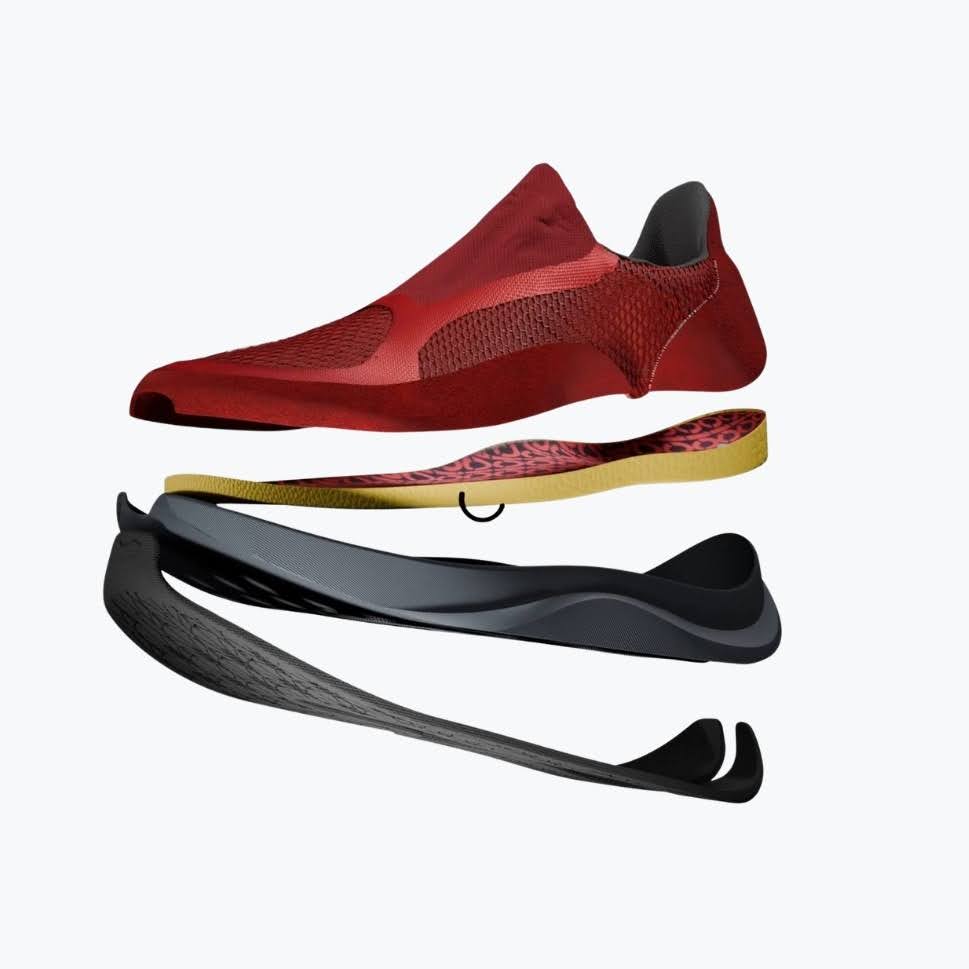
Every shoe sits on a foundation of three stacked layers. Each one does a different job, and the quality of each layer directly affects how the shoe feels on your feet.
Outsole: The Part That Touches the Ground
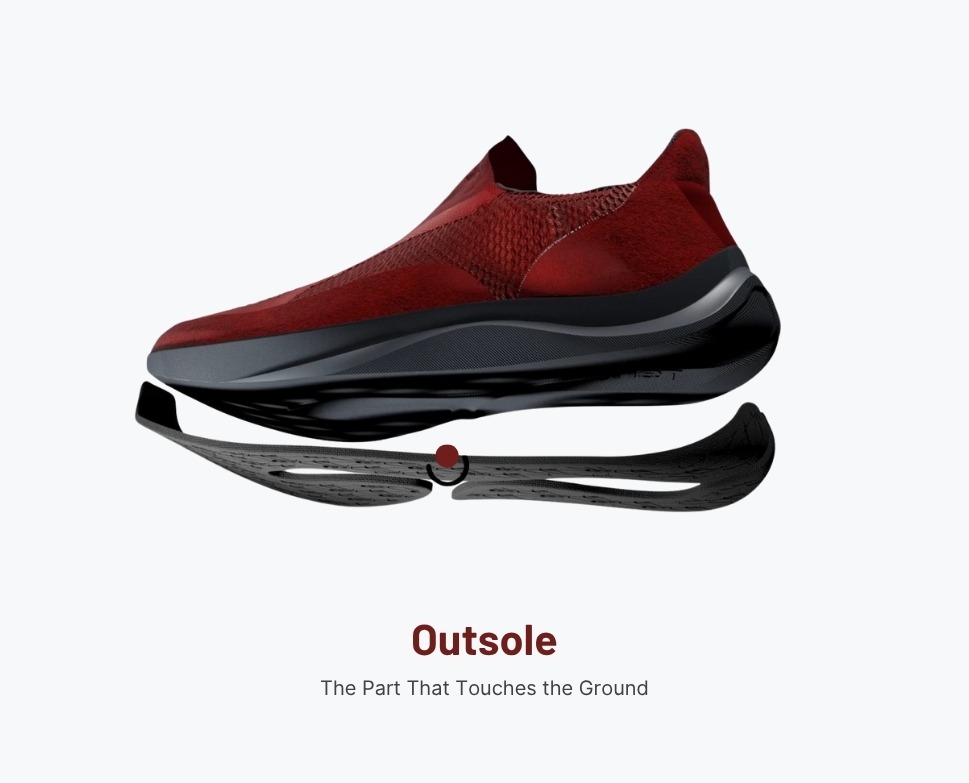
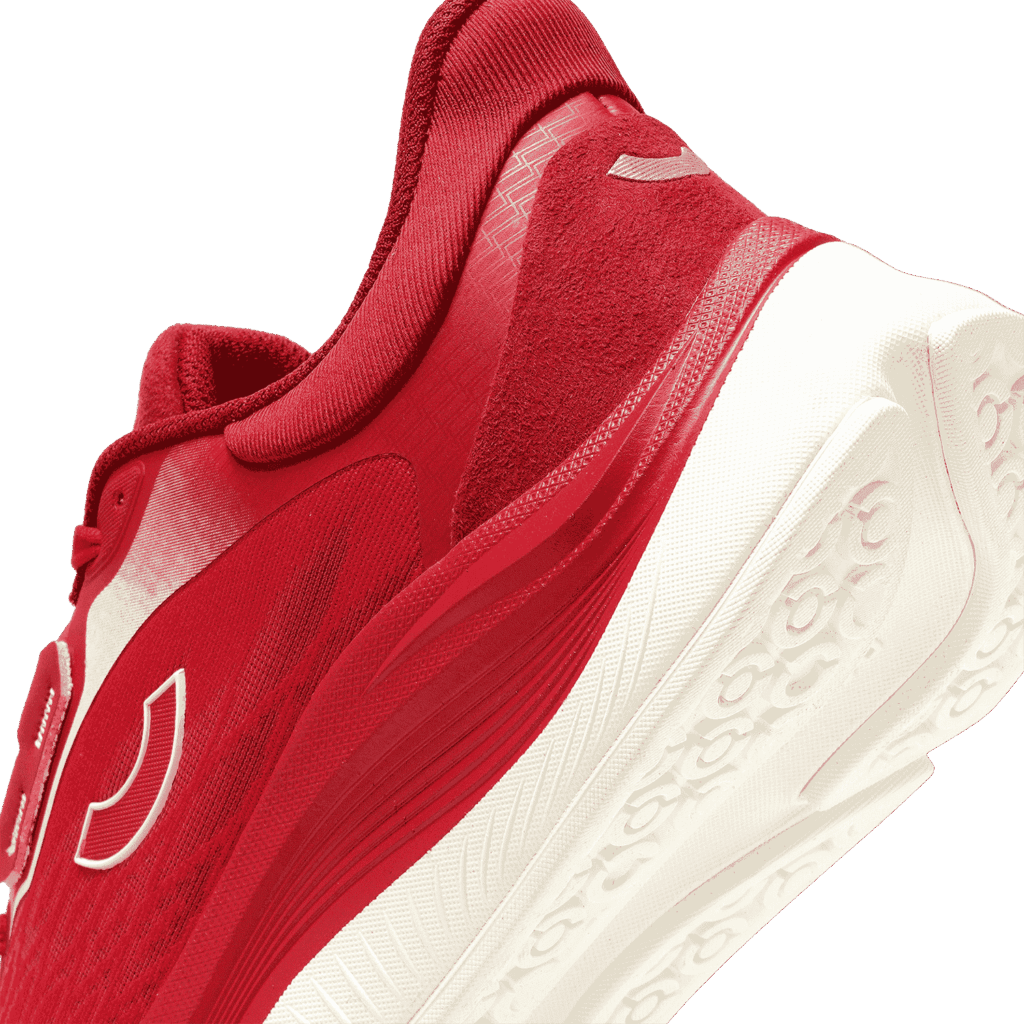
The outsole is the bottom layer, the part that makes contact with every surface you walk or run on. A good outsole provides grip, resists abrasion, and flexes with your foot.
Rubber is the most common outsole material. The compound matters more than the material name. The Aeonic Recovery Trainer uses a 3.5mm rubber outsole compounded for durability and all-surface grip on abrasive Indian roads, without adding stiffness to your stride.
Midsole: The Cushioning Layer
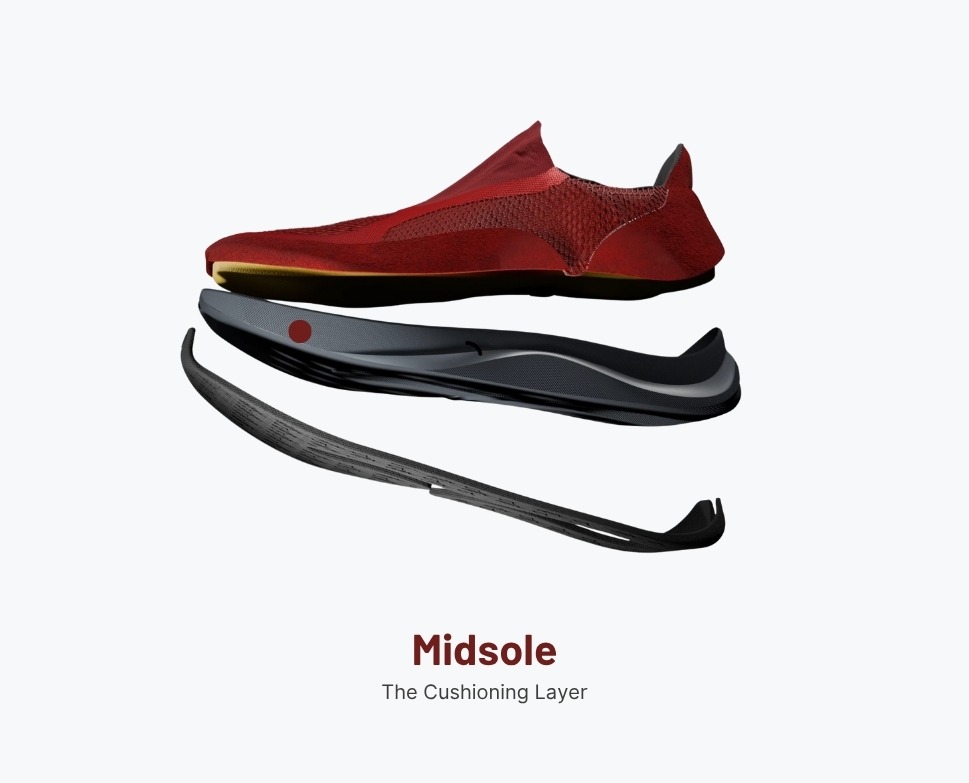
The midsole sits between the outsole and insole. Midsole foam absorbs impact and determines how cushioned or firm the shoe feels. EVA (ethylene vinyl acetate) is the most widely used foam, lightweight and soft.
The Switch OG 2.0 uses Heelcloud EVA foam under the heel. At 360g total weight, the midsole absorbs micro-shocks during every heel strike while keeping the shoe light for lateral movement across multiple surfaces.
Insole: The Layer Under Your Foot
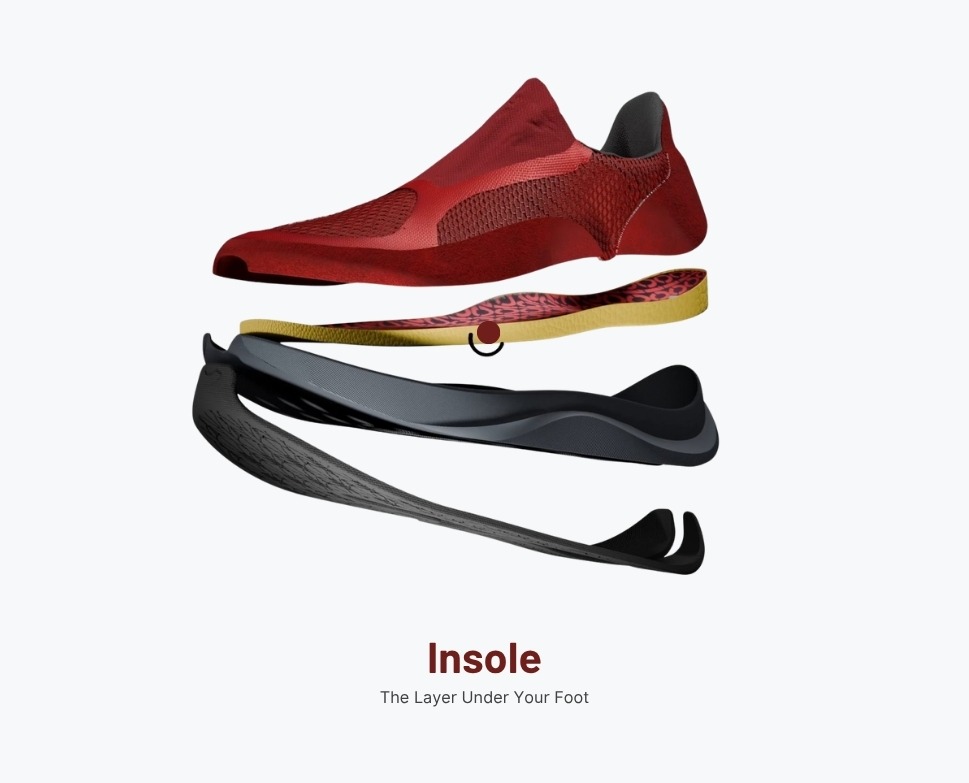
The insole sits directly against the bottom of your foot. A flat, thin insole adds little beyond basic comfort. A contoured insole with arch support and a deep heel cup distributes pressure and reduces fatigue.
Ten x You’s insoles use the Contoura shape design, developed from over 120,000 3D foot scans. The Zenflo Walking Shoe layers 8mm of Levation PU foam at the heel, tapering to 4mm at the forefoot, giving you softness on contact and structural support that holds its shape over months.
Gear Up For Your Next Run


The Upper: Everything Above the Sole
The upper is the entire portion of the shoe that wraps around the top and sides of your foot. Material, breathability, and construction here determine how secure and comfortable the shoe feels.
Toe Box: Room for Your Toes
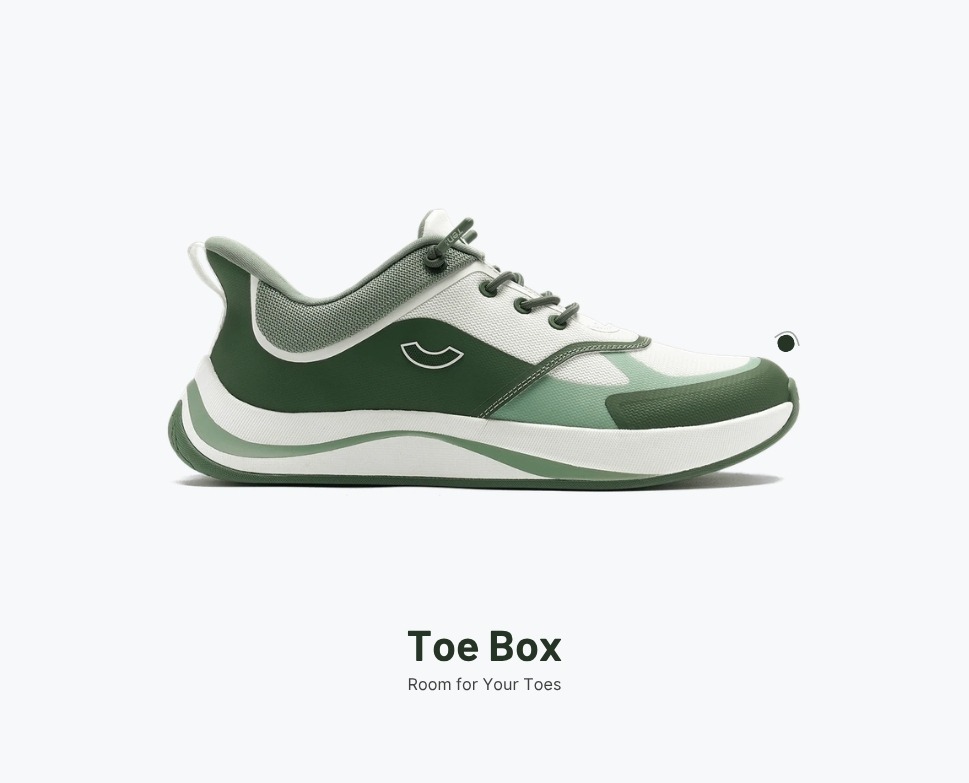
The toe box is the front section where your toes sit. A cramped toe box squeezes your toes, creating pressure points and reducing the toe box.
A wide toe box lets your forefoot spread naturally. The Aeonic uses a flared toe box that widens at the front, so your foot stabilizes with every landing. Most global brands use narrow lasts that don’t account for the wider shape of Indian feet.
Tongue: The Protective Flap
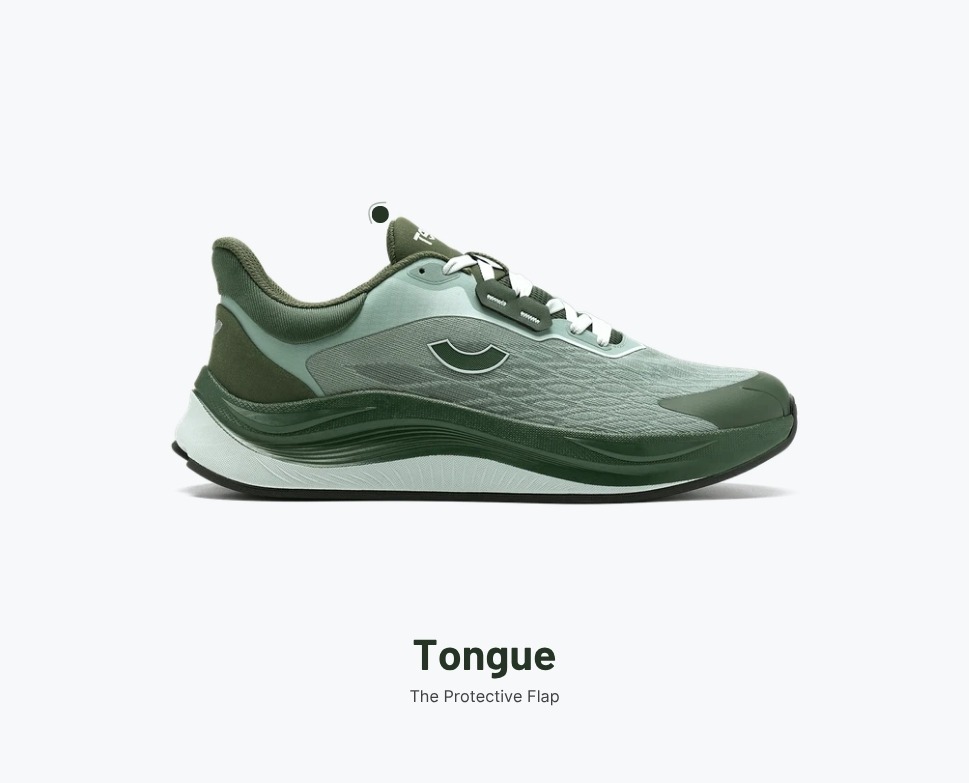
The tongue sits between your foot and the lacing system, preventing lace pressure on the top of your foot.
The Crossover Slip On uses a stationary tongue that stays aligned and doesn’t shift during movement. Paired with bungee lacing, the tongue holds position so the fit stays consistent every time you step in.
Collar and Heel Counter: Stability at the Back
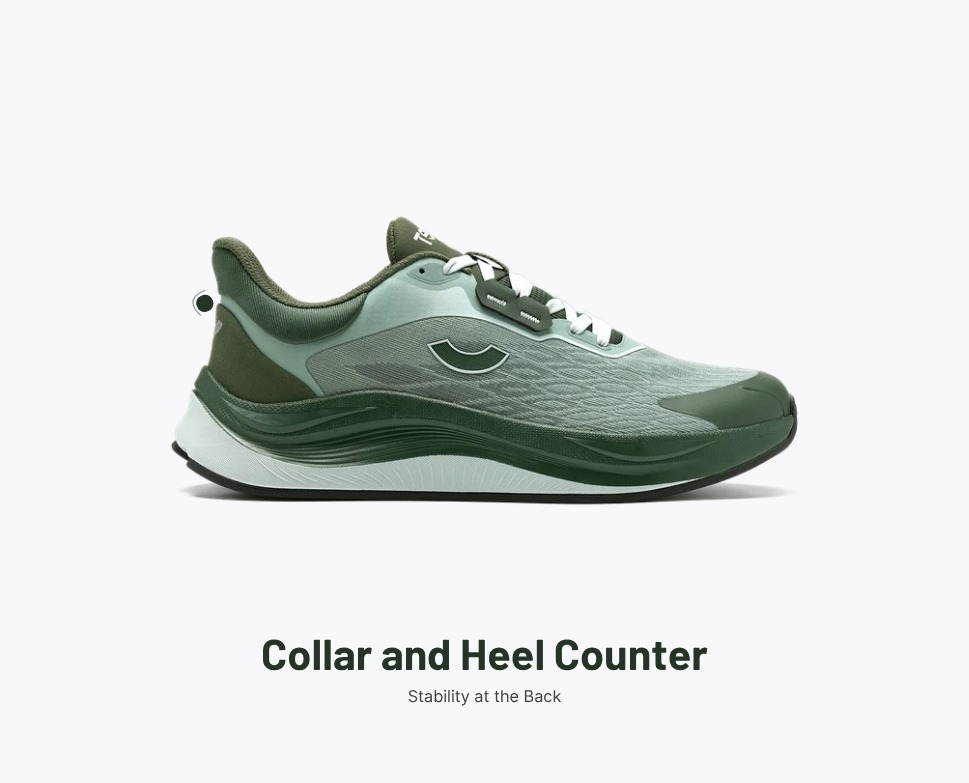
The collar is the padded ring where your foot enters. The heel counter is the stiff internal structure at the back that holds shape and keeps your heel locked.
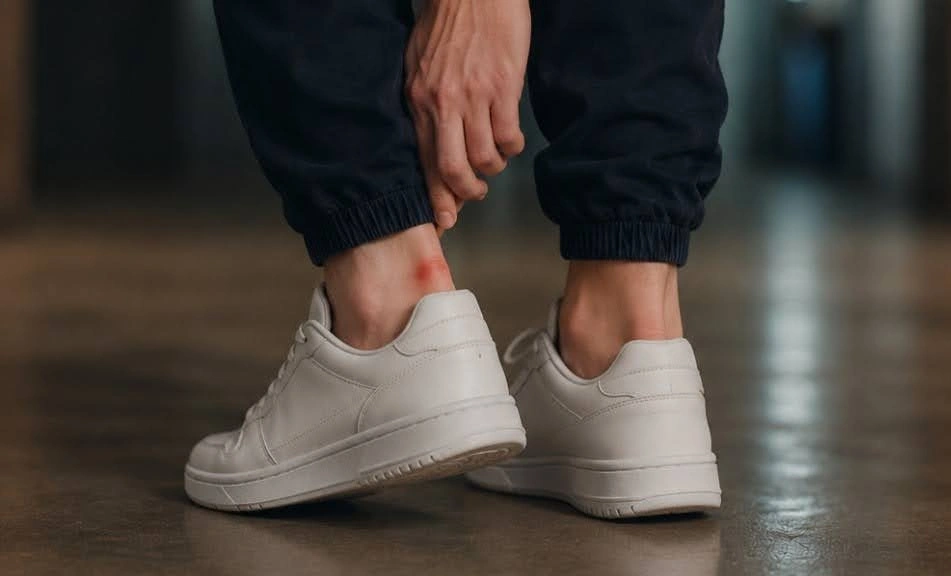
A weak heel counter lets your foot slide, causing friction and blisters. The Crossover Slip On embeds a TPU heel cup that locks your foot without tight lacing. The Switch OG 2.0 pairs a 70mm collar height with inbuilt arch support for ankle stability.
The Lacing System: Fit Adjustment
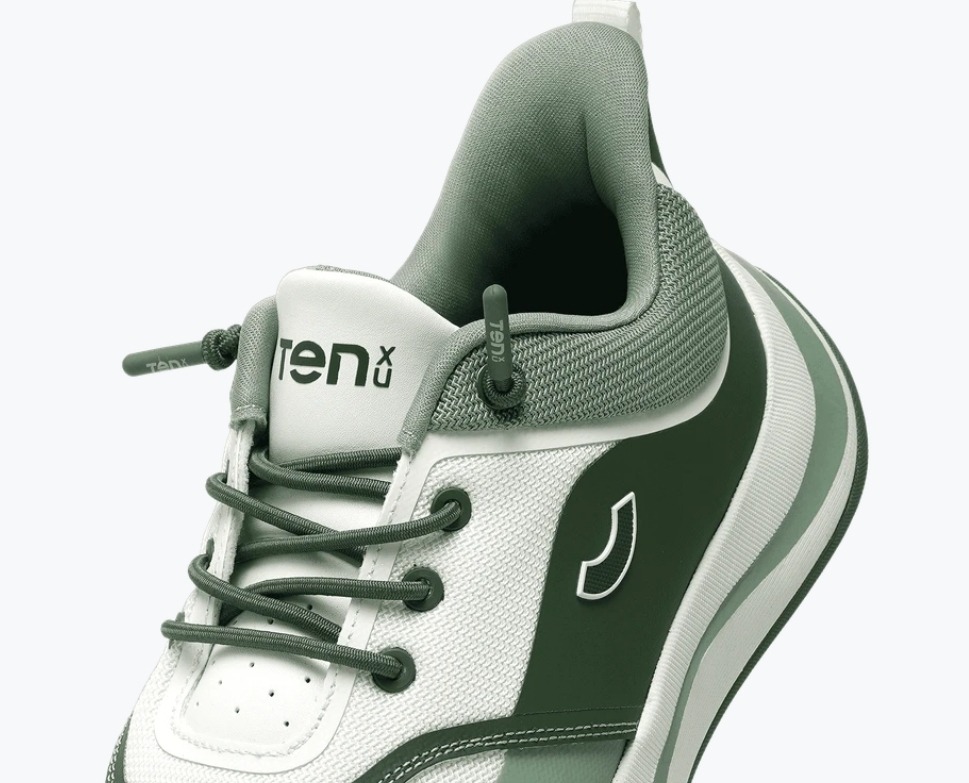
Laces, eyelets, and eyestays let you adjust how tightly the shoe hugs your foot. Traditional laces offer the most customization. Bungee lacing lets you set tension once and keep it consistent.
The Crossover’s bungee system means you adjust once, then step in hands-free. The Zenflo takes convenience further with an elevated elf-cap heel that acts as a built-in shoehorn.
Quick Reference: Parts of a Shoe
| Part | Location | Function |
| Outsole | Bottom (ground contact) | Grip, traction, and abrasion resistance |
| Midsole | Middle layer | Cushioning, shock absorption |
| Insole | Inside (under foot) | Arch support, pressure distribution |
| Toe box | Front interior | Room for toes to spread |
| Upper | Top and sides | Protection, breathability, structure |
| Tongue | Under laces | Prevent the ts lace pressure on the foot |
| Collar | Entry point | Comfort, ankle padding |
| Heel counter | Back interior | Shape retention, heel lockdown |
| Lacing system | Top of upper | Fit adjustment |
Every Part Matters, so choose the Right Shoe
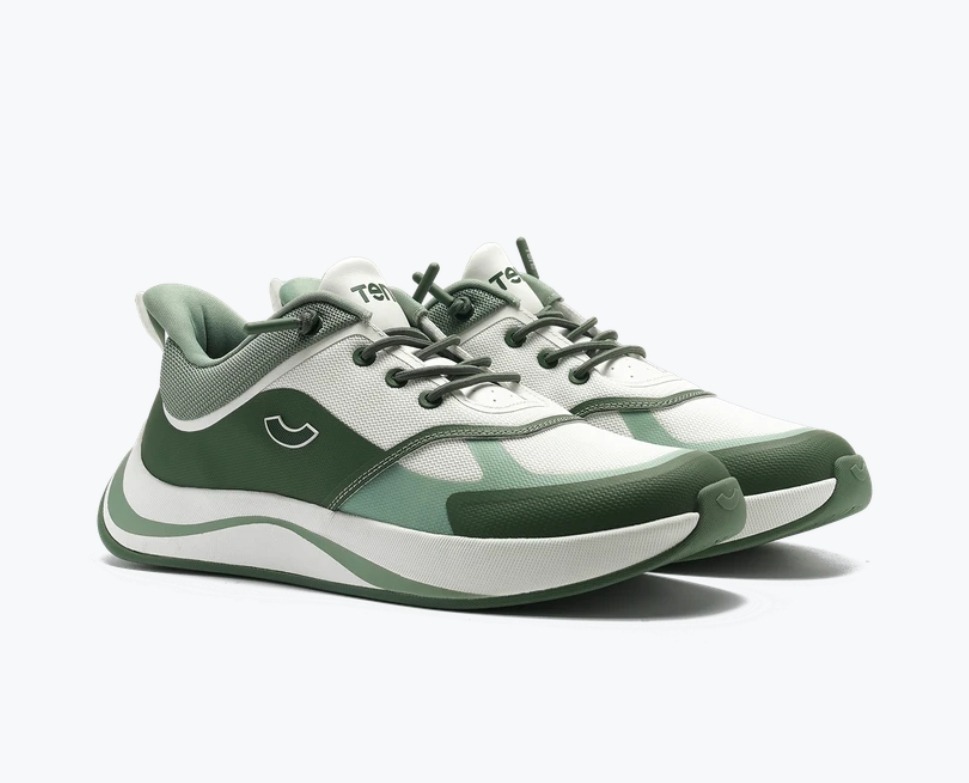
A shoe is only as good as its weakest part. A soft midsole means nothing if the insole is flat. A grippy outsole means nothing if the heel counter collapses.
Next time you pick up a shoe, flip it over. Press the midsole. Feel the heel counter. Choose the right shoe for how you actually move. Life never stops, and play shouldn’t either. Never Stop Playing.
Lace up and find out. Check our products and feel the difference in every layer.
Frequently Asked Questions
Gear Up For Your Next Run